

Finding new vegetables to add to your meals can be tricky. You might feel stuck using the same old options, missing out on tasty and healthy choices. I get it – I’ve been there too.
But don’t worry! I’m here to open your eyes to a world of veggies you may not know about. In this post, I’ll introduce you to 30 vegetables that start with the letter M.
You’ll learn about familiar favorites and discover exciting new options to liven up your cooking. I’ll share info on each veggie’s taste, nutrition, and how to use it in your kitchen.
By the end, you’ll have plenty of ideas to make your meals more varied and nutritious.
List of Vegetables That Start With M to Enjoy
1. Malabar Spinach
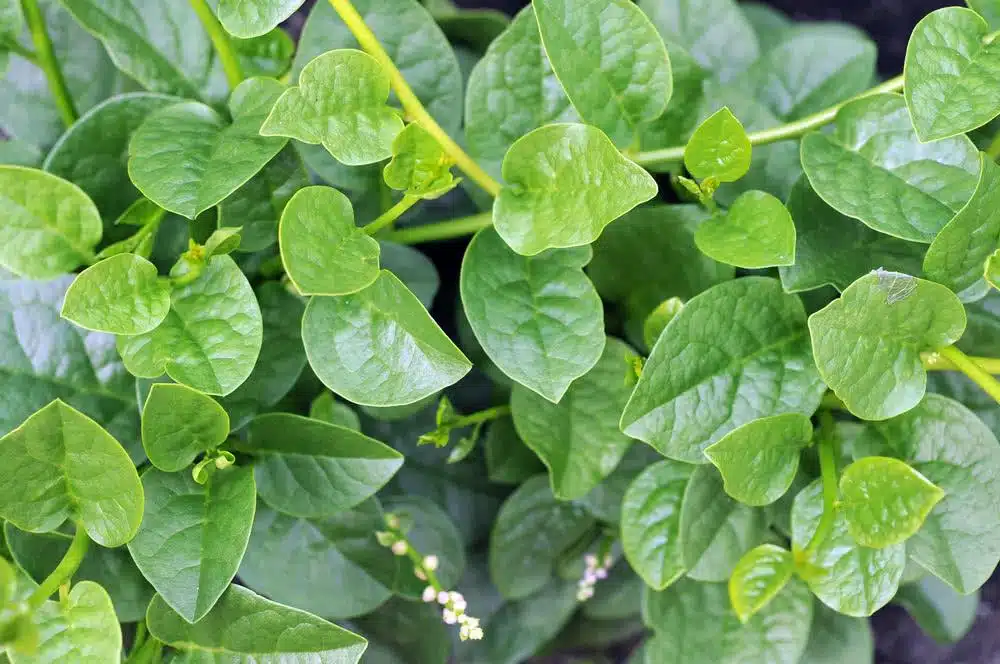
Malabar Spinach, or Ceylon spinach, is a unique, fast-growing vine with thick, fleshy leaves. It’s often used as a substitute for regular spinach in warmer climates where it thrives.
Nutritional Value:
- High in vitamins A and C, calcium, and iron.
- Contains powerful antioxidants like beta-carotene.
Culinary Uses:
- It is commonly used in soups, stews, and curries.
- It can be eaten raw in salads or cooked as a leafy green.
Growing Tips:
- Prefers warm temperatures and well-drained soil.
- Requires a trellis or support to grow vertically.
Availability:
- Available year-round in tropical regions.
- It is found in Asian grocery stores and specialty markets.
2. Mustard Greens
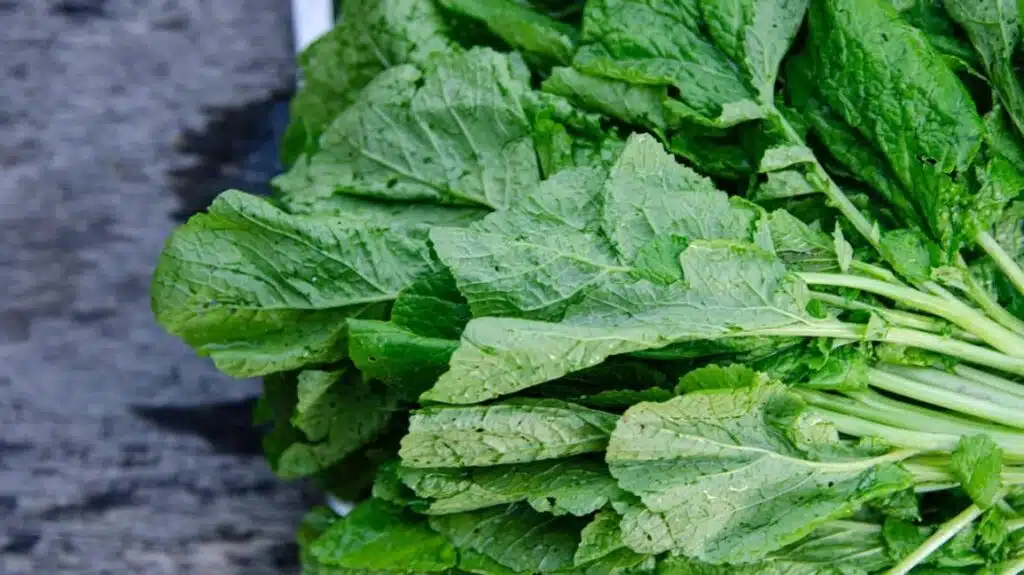
Mustard Greens are leafy vegetables known for their peppery flavor. They add a spicy kick to many dishes and are a staple in Southern and Asian cuisine.
Nutritional Value:
- Rich in vitamins A, C, and K.
- It contains compounds that may help prevent cancer.
Culinary Uses:
- Often sautéed, steamed, or added to soups.
- Used as a base for salads or as a garnish.
Growing Tips:
- Grows best in cooler weather and well-drained soil.
- Requires regular watering and can tolerate light frost.
Availability:
- Best in spring and fall.
- Available in farmers’ markets and supermarkets.
3. Mung Beans
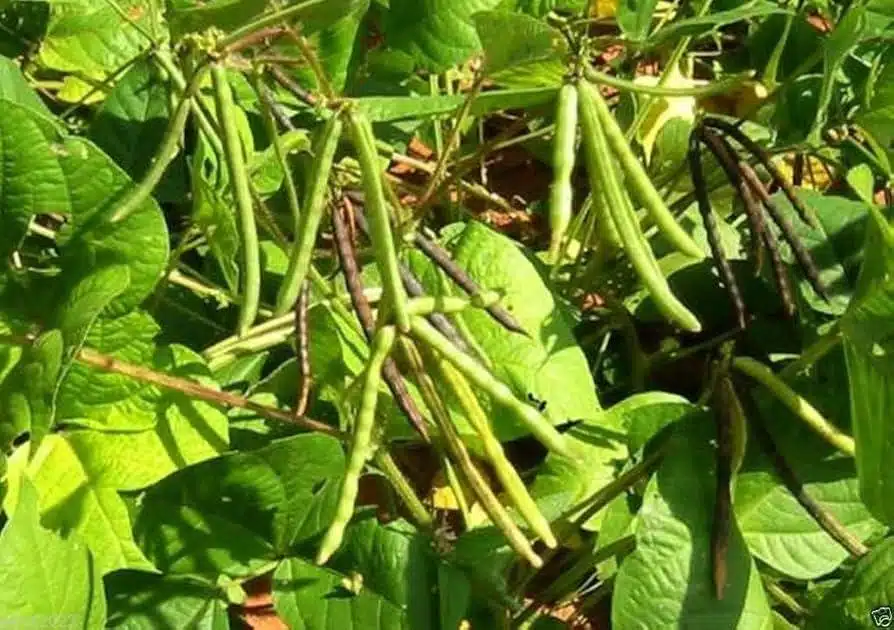
Mung Beans are small green legumes that are widely consumed in Asia. They are known for their high protein content and are often sprouted for use in salads.
Nutritional Value:
- High in protein, fiber, and antioxidants.
- Rich in essential amino acids and vitamins.
Culinary Uses:
- Used in soups, curries, and desserts.
- Commonly sprouted for salads and stir-fries.
Growing Tips:
- Prefers warm, well-drained soil.
- Easy to sprout indoors with minimal effort.
Availability:
- Available year-round.
- Can be found in health food stores and Asian markets.
4. Mizuna
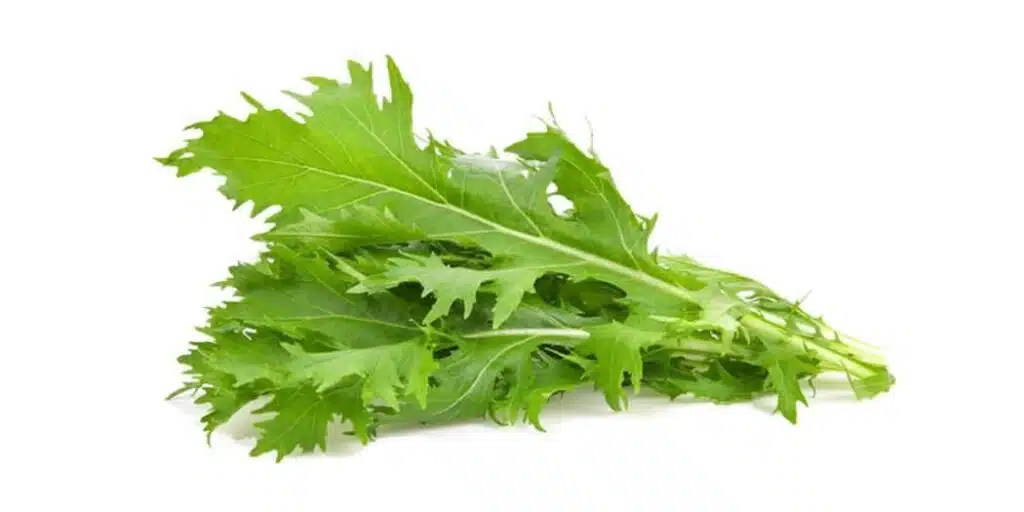
Mizuna is a Japanese mustard green with feathery leaves and a mild, peppery taste. It is often used in Asian cuisine, especially in salads and stir-fries.
Nutritional Value:
- Rich in vitamins A, C, and K.
- Contains minerals like calcium and magnesium.
Culinary Uses:
- Used in salads, soups, and as a garnish.
- Can be stir-fried or added to noodle dishes.
Growing Tips:
- Prefers cool weather and moist soil.
- Can be grown in containers or garden beds.
Availability:
- Available year-round, especially in Asian markets.
- Peak season is in the spring and fall.
5. Marrow (Vegetable)
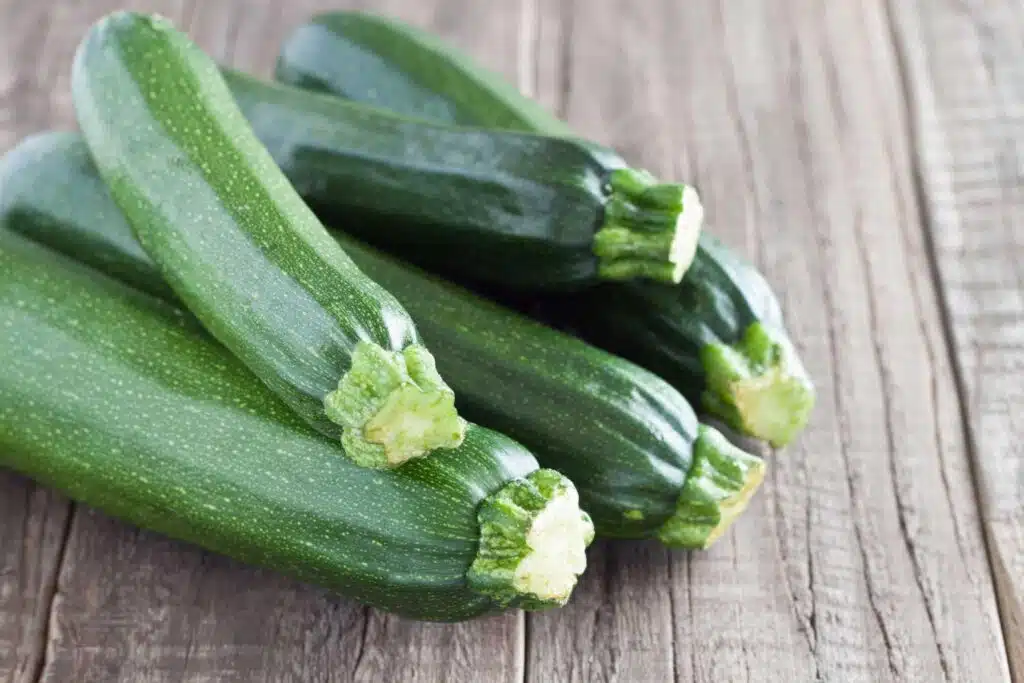
Marrow is a type of summer squash that is closely related to zucchini. It has a mild flavor and is often used in British and Mediterranean cooking.
Nutritional Value:
- Low in calories, high in vitamin C and potassium.
- Contains antioxidants that support immune health.
Culinary Uses:
- Can be stuffed, baked, or added to soups.
- Often used in ratatouille or as a side dish.
Growing Tips:
- Prefers warm, well-drained soil.
- Needs regular watering, especially during dry periods.
Availability:
- Available from mid-summer to early fall.
- Commonly found in farmers’ markets and grocery stores.
6. Miner’s Lettuce

Miner’s Lettuce is a hardy leafy green native to North America. It is known for its delicate, heart-shaped leaves and mild flavor. It is often found growing wild in shady areas.
Nutritional Value:
- High in vitamin C and beta-carotene.
- Contains iron and calcium.
Culinary Uses:
- Often used in salads and as a garnish.
- Can be sautéed or added to soups for a mild green flavor.
Growing Tips:
- Prefers cool, shaded environments and moist soil.
- Can be grown in containers or garden beds.
Availability:
- Best harvested in spring and early summer.
- Often found in farmers’ markets or foraged wild.
7. Manoa Lettuce
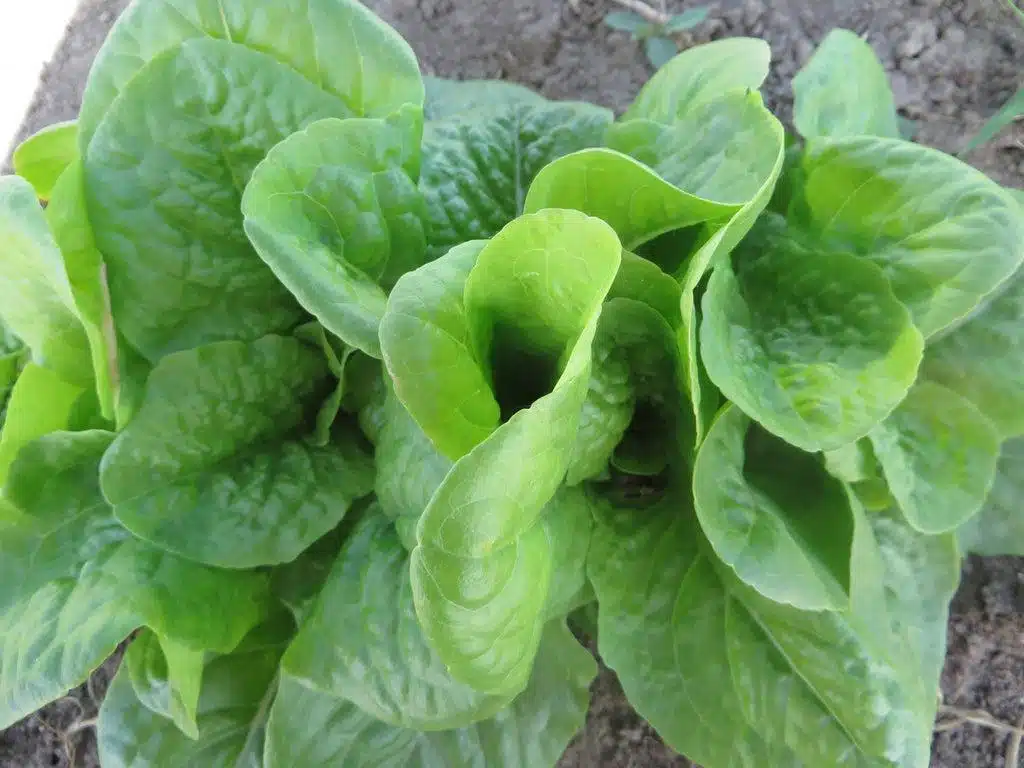
Manoa Lettuce is a variety of butterhead lettuce with tender, sweet leaves. It is popular in Hawaiian cuisine, where it is often used in salads and wraps.
Nutritional Value:
- Rich in vitamins A and K.
- Contains folate and iron.
Culinary Uses:
- Commonly used in salads and sandwiches.
- Perfect for lettuce wraps due to its tender leaves.
Growing Tips:
- Prefers warm, well-drained soil with regular watering.
- Grows well in both gardens and containers.
Availability:
- Available year-round in tropical regions.
- Often found in local grocery stores and farmers’ markets.
8. Maca Root
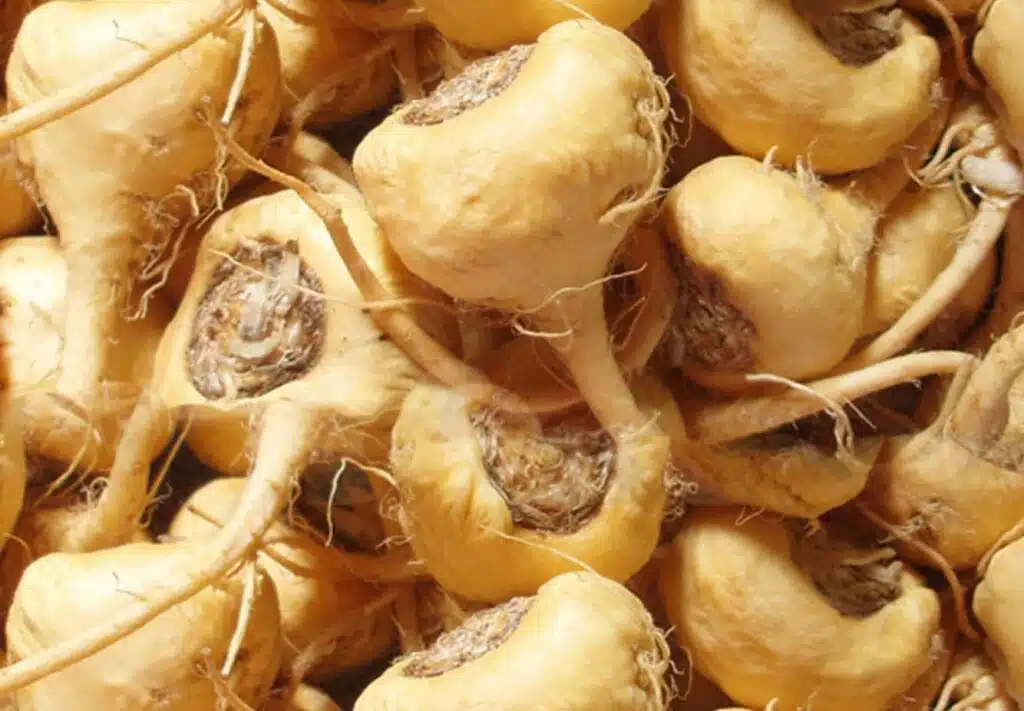
Maca Root is a cruciferous vegetable native to the Andes of Peru, known for its earthy flavor and energy-boosting properties. It is typically consumed in powdered form.
Nutritional Value:
- High in carbohydrates, fiber, and vitamin C.
- Contains various essential amino acids and trace minerals.
Culinary Uses:
- Commonly used in smoothies, baked goods, and energy bars.
- Can be added to soups and stews for a nutritional boost.
Growing Tips:
- Thrives in cool, high-altitude environments.
- Requires well-drained, sandy soil and full sun.
Availability:
- Available year-round in health food stores, often as a powder.
- Fresh roots are less common but can be found in specialty markets.
9. Malanga
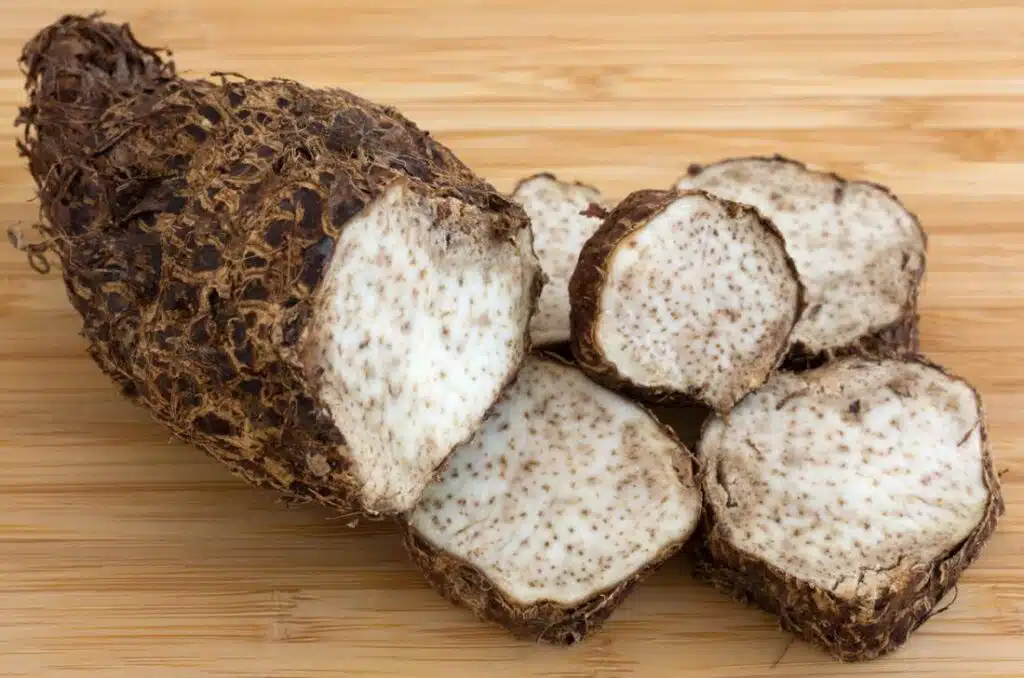
Malanga is a starchy root vegetable popular in Caribbean and Latin American cuisines. It has a nutty flavor and is often used as a potato substitute.
Nutritional Value:
- High in fiber and complex carbohydrates.
- Contains vitamins C, E, and potassium.
Culinary Uses:
- Often boiled, mashed, or fried.
- Used in soups, stews, and as a side dish.
Growing Tips:
- Prefers warm, humid climates and well-drained soil.
- Requires plenty of water and partial shade.
Availability:
- Available year-round in tropical regions.
- Can be found in Latin American and Caribbean markets.
10. Mora Leaves
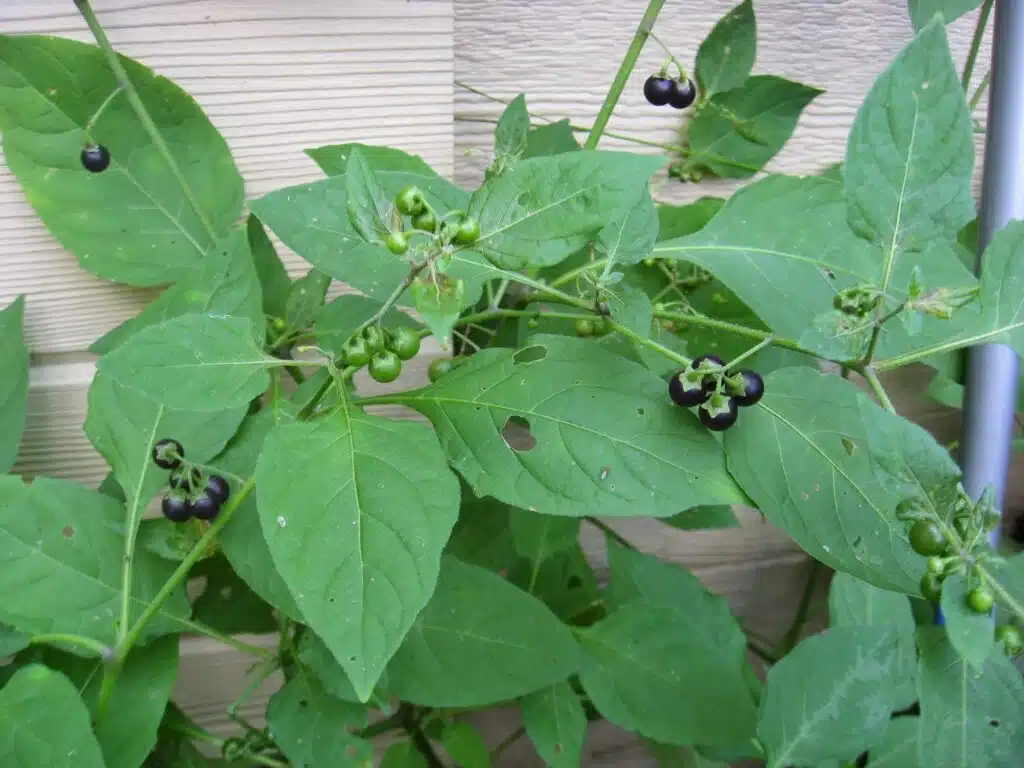
Mora Leaves, also known as blackberry leaves, are used in various traditional dishes and herbal teas. They have a slightly bitter taste and are packed with nutrients.
Nutritional Value:
- Rich in vitamins C and K, and antioxidants.
- Contains fiber and essential minerals like magnesium.
Culinary Uses:
- Often brewed as a tea or used in salads.
- Can be sautéed or used as a garnish.
Growing Tips:
- Grows well in temperate climates with moist soil.
- Requires regular pruning to maintain plant health.
Availability:
- Available from spring through fall.
- Often foraged wild or found in specialty markets.
11. Mashua
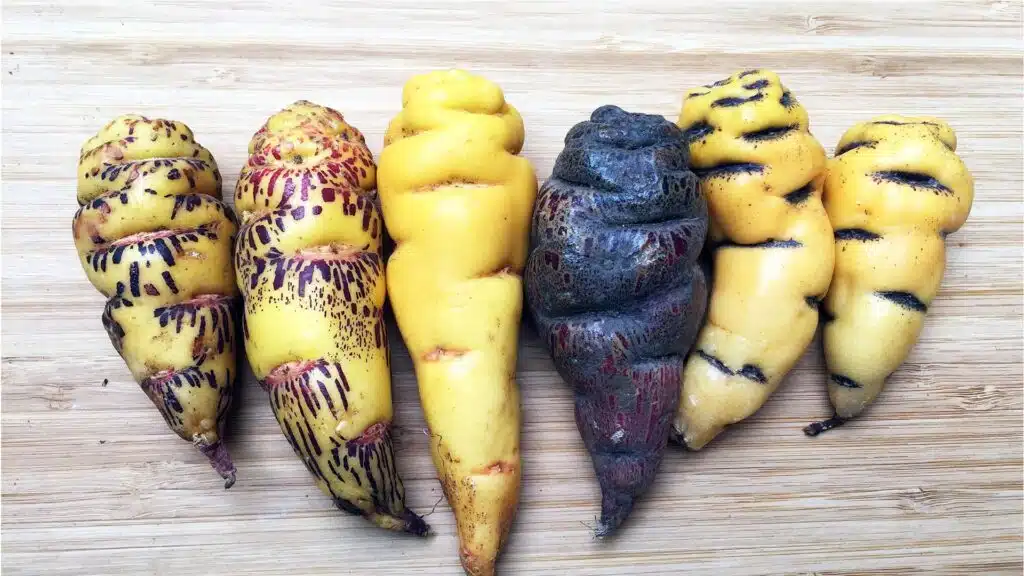
Mashua is a tuberous root vegetable native to the Andes, known for its peppery flavor. It is commonly used in traditional Andean dishes.
Nutritional Value:
- High in carbohydrates and vitamin C.
- Contains flavonoids and anthocyanins with antioxidant properties.
Culinary Uses:
- Often boiled, roasted, or used in soups.
- Can be mashed or added to stews.
Growing Tips:
- Prefers cool, high-altitude environments with well-drained soil.
- Requires full sun and regular watering.
Availability:
- Available in late fall and winter.
- Found in specialty markets, particularly in regions with Andean populations.
12. Malabar Cucumber

Malabar Cucumber is a small, spiny fruit native to South Asia, used as a vegetable in various regional dishes. It has a mildly sour taste and is often pickled.
Nutritional Value:
- Rich in vitamins A and C.
- Contains fiber and antioxidants.
Culinary Uses:
- Commonly pickled or used in curries.
- Can be added to salads for a crunchy texture.
Growing Tips:
- Prefers warm, tropical climates and well-drained soil.
- Requires a trellis for support as it grows as a vine.
Availability:
- Available in summer and fall.
- Found in Asian and specialty markets.
13. Moth Beans
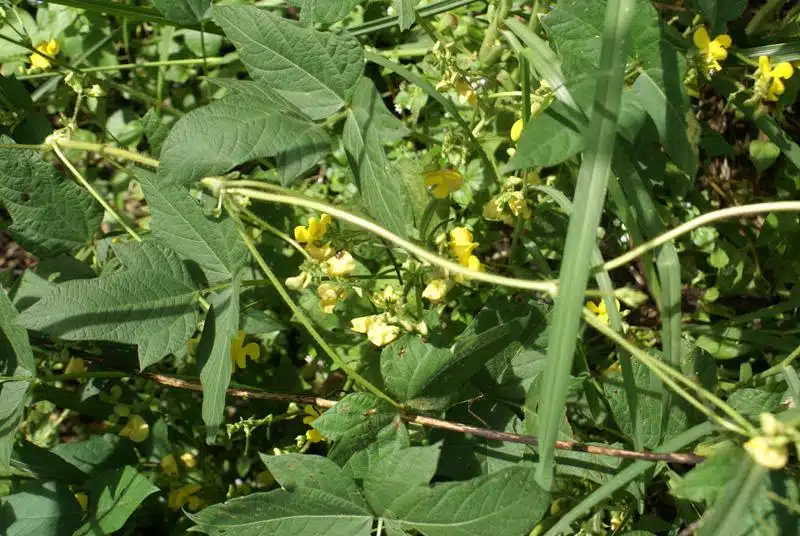
Moth Beans are small, drought-resistant legumes native to India, known for their high protein content. They are often used in Indian cuisine, particularly in dal and curries.
Nutritional Value:
- High in protein, fiber, and iron.
- Contains essential amino acids and vitamins.
Culinary Uses:
- Often cooked into soups, stews, or curries.
- Sprouted and used in salads or as a snack.
Growing Tips:
- Thrives in arid, warm climates with well-drained soil.
- Requires minimal water and care.
Availability:
- Available year-round.
- Commonly found in Indian grocery stores and health food stores.
14. Mexican Mint
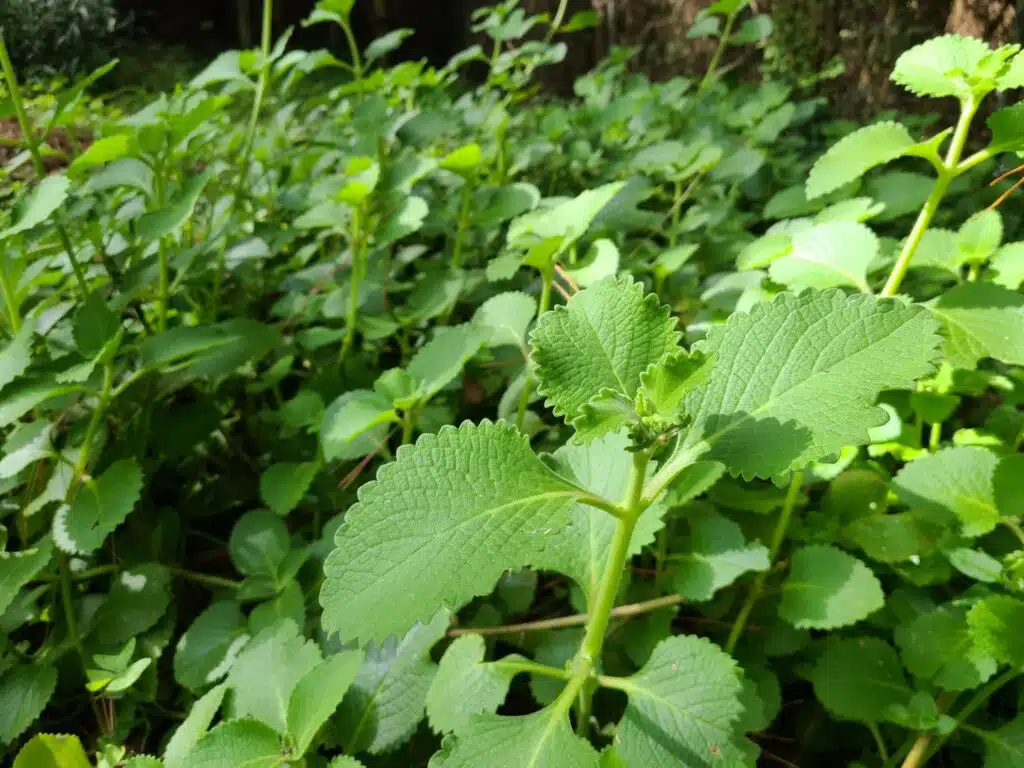
Mexican Mint, also known as Indian Borage, is an aromatic herb used both as a vegetable and in traditional medicine. It has a strong, oregano-like flavor.
Nutritional Value:
- Rich in vitamins A and C, and antioxidants.
- Contains essential oils with medicinal properties.
Culinary Uses:
- Used in soups, stews, and herbal teas.
- Can be added to salads or used as a garnish.
Growing Tips:
- Prefers warm climates and well-drained soil.
- Grows well in containers and requires regular pruning.
Availability:
- Available year-round in tropical regions.
- Often found in herbal and specialty markets.
15. Mango Ginger
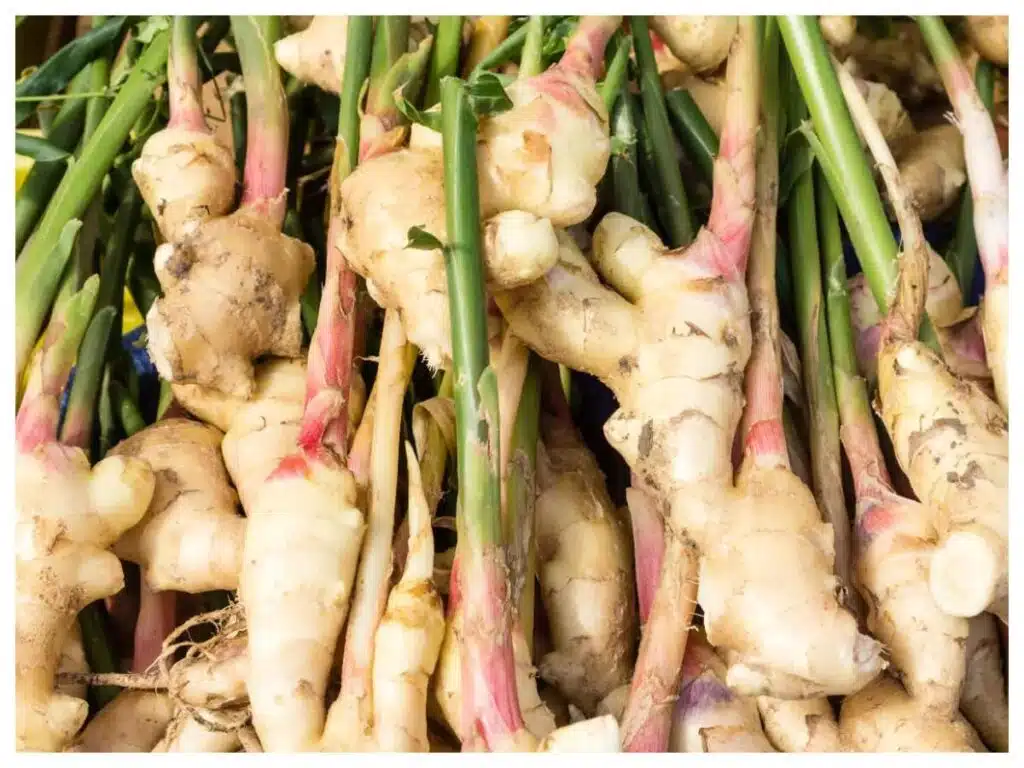
Mango Ginger is a rhizome similar to ginger, with a mild mango flavor. It is commonly used in South Asian cooking and traditional medicine.
Nutritional Value:
- High in antioxidants and anti-inflammatory compounds.
- Contains essential oils with medicinal benefits.
Culinary Uses:
- Often used in pickles, chutneys, and curries.
- Can be added to smoothies or used as a spice.
Growing Tips:
- Prefers warm, humid climates and well-drained soil.
- Requires partial shade and regular watering.
Availability:
- Available in late summer and fall.
- Found in South Asian and specialty markets.
16. Mountain Yam

Mountain Yam, also known as Dioscorea, is a starchy tuber native to Asia. It is known for its slippery texture and is used in various traditional dishes.
Nutritional Value:
- High in carbohydrates, vitamin B6, and potassium.
- Contains diosgenin, a compound with potential health benefits.
Culinary Uses:
- Often grated and used in soups or as a thickener.
- Can be boiled, roasted, or used in desserts.
Growing Tips:
- Prefers warm, tropical climates and well-drained soil.
- Requires a trellis for support as it grows as a vine.
Availability:
- Available year-round in tropical regions.
- Commonly found in Asian grocery stores and specialty markets.
17. Moringa Leaves

Moringa Leaves come from the Moringa tree, known as the “miracle tree” for its nutritional benefits. The leaves are highly nutritious and used in various cuisines and traditional medicine.
Nutritional Value:
- Rich in vitamins A, C, and E, and calcium.
- High in protein and antioxidants.
Culinary Uses:
- Often used in soups, stews, and salads.
- Can be dried and powdered for smoothies or supplements.
Growing Tips:
- Thrives in warm, tropical climates with well-drained soil.
- Requires regular pruning to promote new growth.
Availability:
- Available year-round in tropical regions.
- Found in health food stores and specialty markets.
18. Methi (Fenugreek)
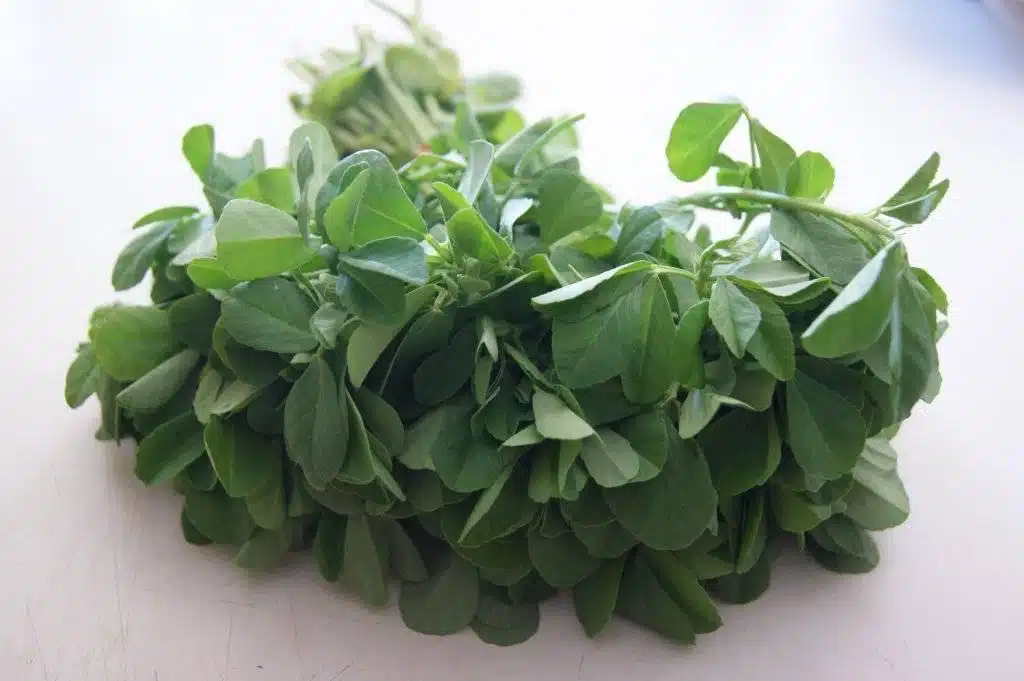
Methi, also known as Fenugreek, is a versatile herb used in cooking and traditional medicine. It has a slightly bitter taste and is often used in Indian cuisine.
Nutritional Value:
- Rich in fiber, iron, and magnesium.
- Contains compounds that may help control blood sugar levels.
Culinary Uses:
- Commonly used in curries, flatbreads, and salads.
- Can be sprouted and added to sandwiches or as a garnish.
Growing Tips:
- Prefers cool weather and well-drained soil.
- Grows well in containers and requires regular watering.
Availability:
- Available year-round.
- Found in Indian grocery stores and health food stores.
19. Mooli (Daikon Radish)
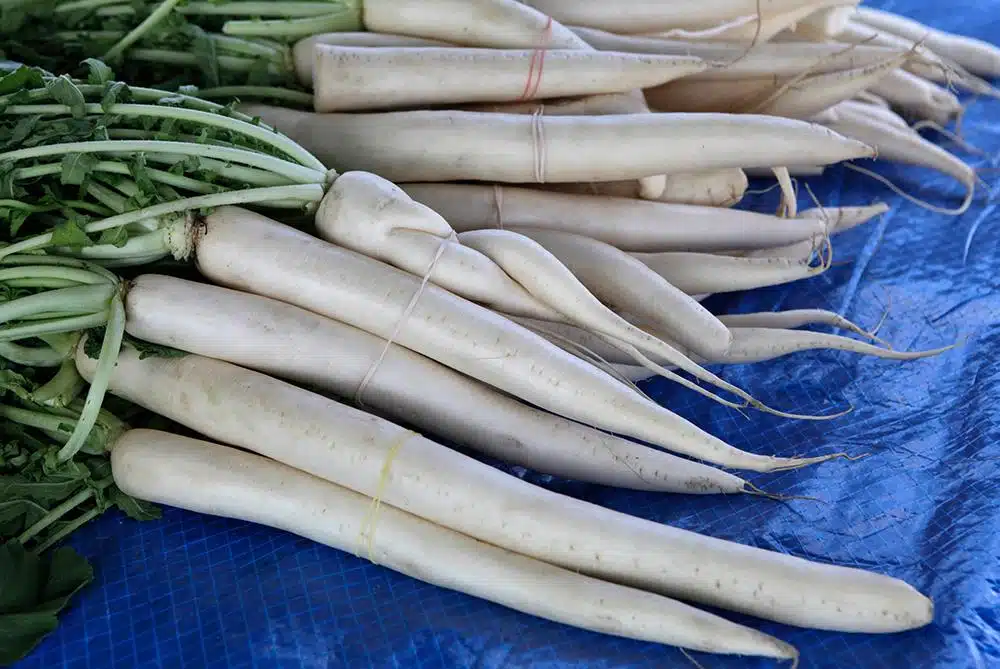
Mooli, also known as Daikon Radish, is a large white radish popular in Asian cuisine. It has a crisp texture and a mild, peppery flavor.
Nutritional Value:
- Low in calories, high in vitamin C and potassium.
- Contains enzymes that aid digestion.
Culinary Uses:
- Often used in salads, pickles, and soups.
- Can be grated and added to sushi or as a garnish.
Growing Tips:
- Prefers cool weather and well-drained soil.
- Requires regular watering for optimal growth.
Availability:
- Available in winter and spring.
- Found in Asian grocery stores and farmers’ markets.
20. Mexican Tarragon
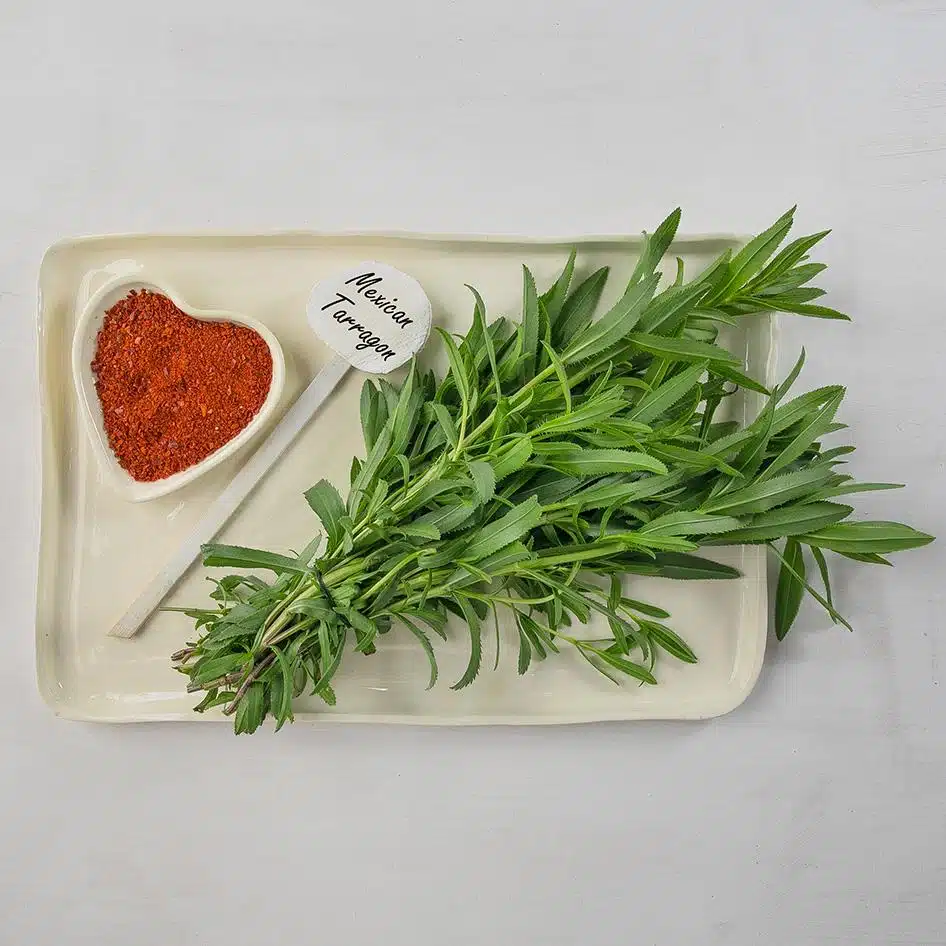
Mexican Tarragon, also known as Mexican Marigold, is an aromatic herb with a flavor similar to French tarragon. It is often used in Mexican and Central American cuisine.
Nutritional Value:
- Rich in antioxidants and essential oils.
- Contains flavonoids with potential health benefits.
Culinary Uses:
- Used in sauces, soups, and stews.
- Can be added to salads or used as a garnish.
Growing Tips:
- Prefers warm, sunny locations and well-drained soil.
- Grows well in containers and requires regular pruning.
Availability:
- Available year-round in warm climates.
- Found in herb gardens and specialty markets.
21. Mangetout (Snow Peas)
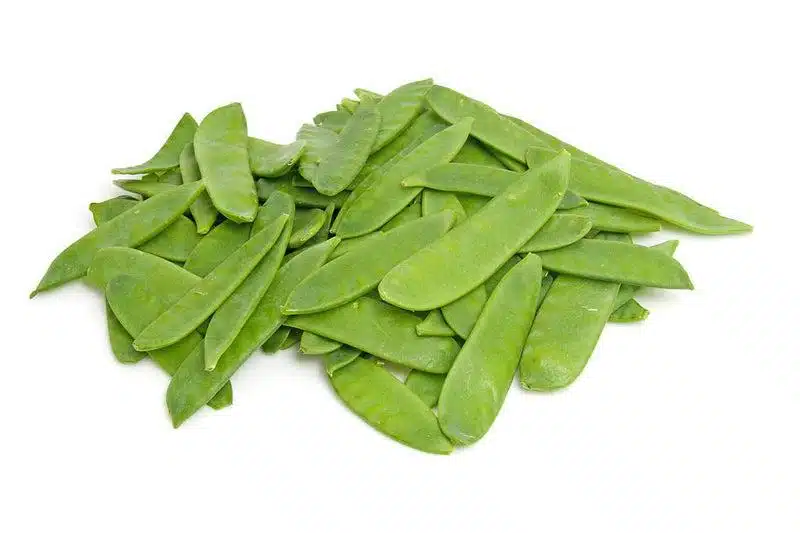
Mangetout, also known as Snow Peas, are flat, edible-pod peas that are often used in stir-fries and salads. They have a sweet, crisp flavor.
Nutritional Value:
- High in vitamins C and K.
- Contains fiber and folate.
Culinary Uses:
- Often used in stir-fries, salads, and as a snack.
- Can be steamed or added to soups.
Growing Tips:
- Prefers cool weather and well-drained soil.
- Requires regular watering and a trellis for support.
Availability:
- Available in spring and early summer.
- Found in supermarkets and farmers’ markets.
22. Mugwort
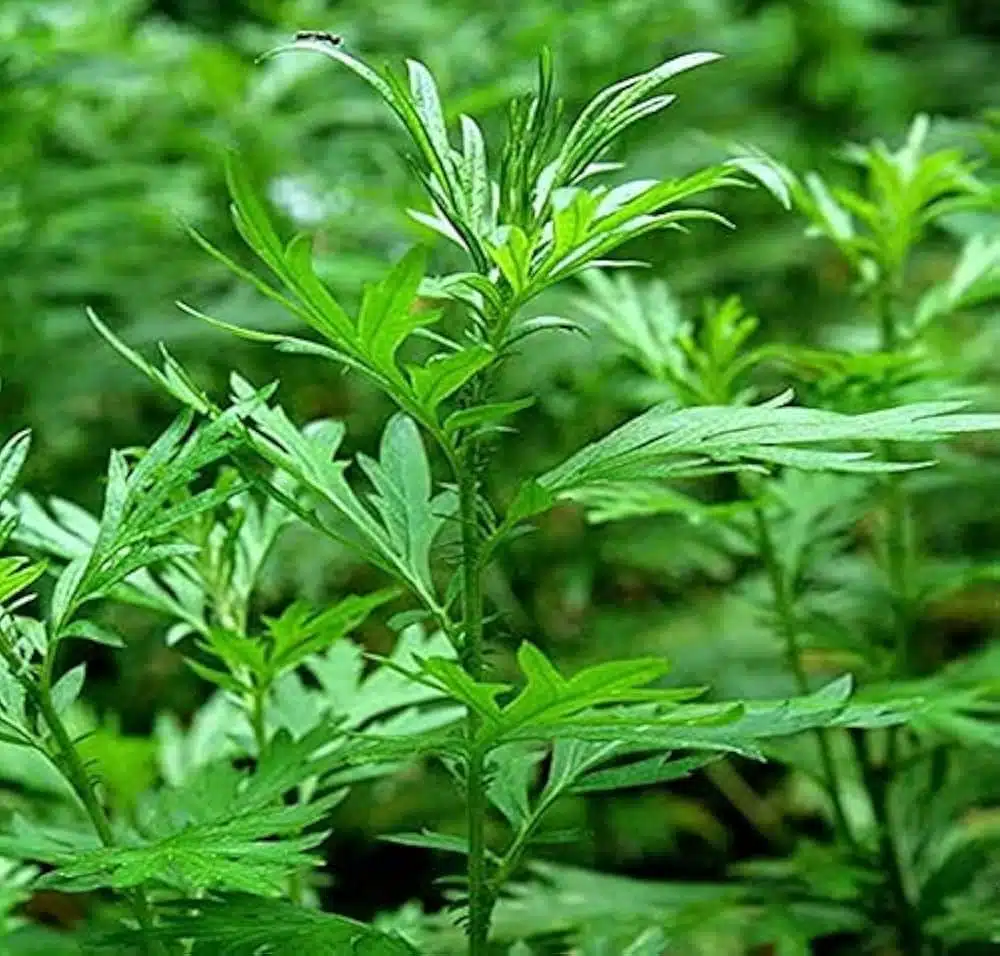
Mugwort is an aromatic herb used in traditional medicine and cooking, especially in Asian cuisine. It has a slightly bitter, earthy flavor.
Nutritional Value:
- Rich in antioxidants and essential oils.
- Contains vitamins A and C, and iron.
Culinary Uses:
- Often used in soups, rice cakes, and teas.
- Can be used as a flavoring in meat dishes.
Growing Tips:
- Prefers well-drained soil and full sun.
- Can be invasive, so regular pruning is required.
Availability:
- Available year-round.
- Found in Asian markets and herb gardens.
23. Marvel of Peru
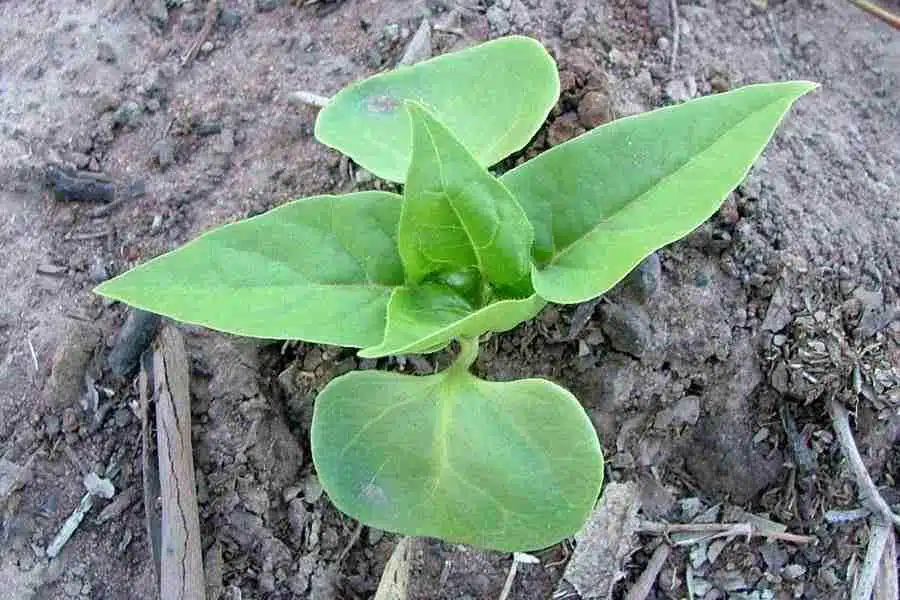
Marvel of Peru, also known as Four O’clock plant, produces edible tubers that are used in traditional cooking. The plant is also grown for its ornamental flowers.
Nutritional Value:
- Rich in carbohydrates and fiber.
- Contains vitamin C and potassium.
Culinary Uses:
- Tubers can be boiled, roasted, or added to soups.
- Sometimes used in traditional medicinal remedies.
Growing Tips:
- Thrives in warm, sunny locations with well-drained soil.
- Requires regular watering, especially during flowering.
Availability:
- Available in late summer and fall.
- Found in specialty markets and gardens.
24. Mouse Melon
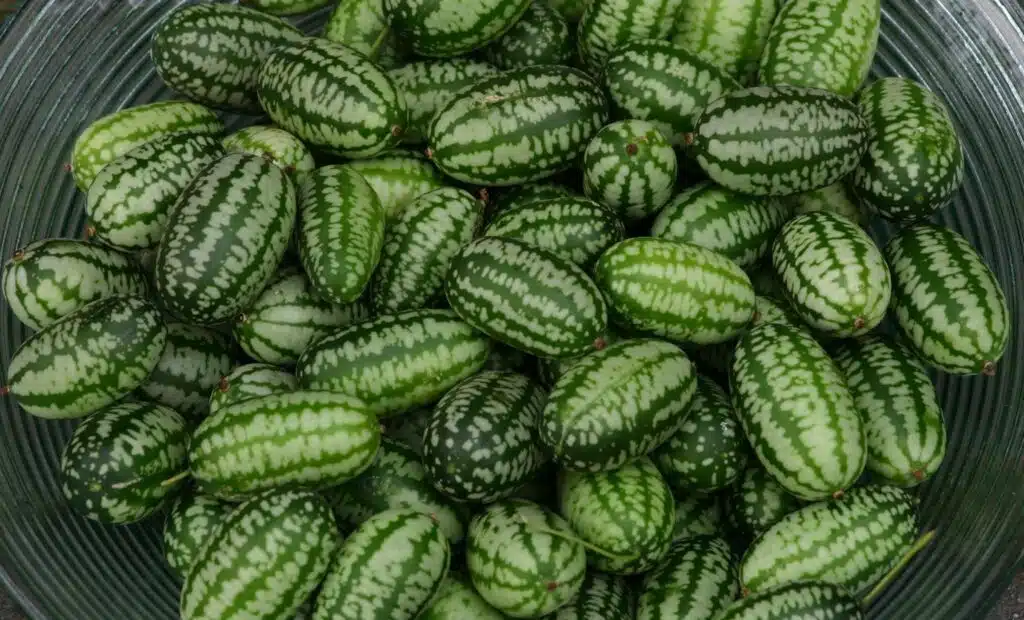
Mouse Melon, also known as Cucamelon, is a small, grape-sized fruit that resembles a tiny watermelon. It has a cucumber-like taste with a hint of sourness.
Nutritional Value:
- Low in calories, high in vitamins C and K.
- Contains antioxidants and fiber.
Culinary Uses:
- Often eaten raw in salads or as a snack.
- Can be pickled or added to salsas.
Growing Tips:
- Prefers warm climates and well-drained soil.
- Requires a trellis or support as it grows as a vine.
Availability:
- Available in late summer and early fall.
- Found in farmers’ markets and specialty stores.
25. Malabar Gourd
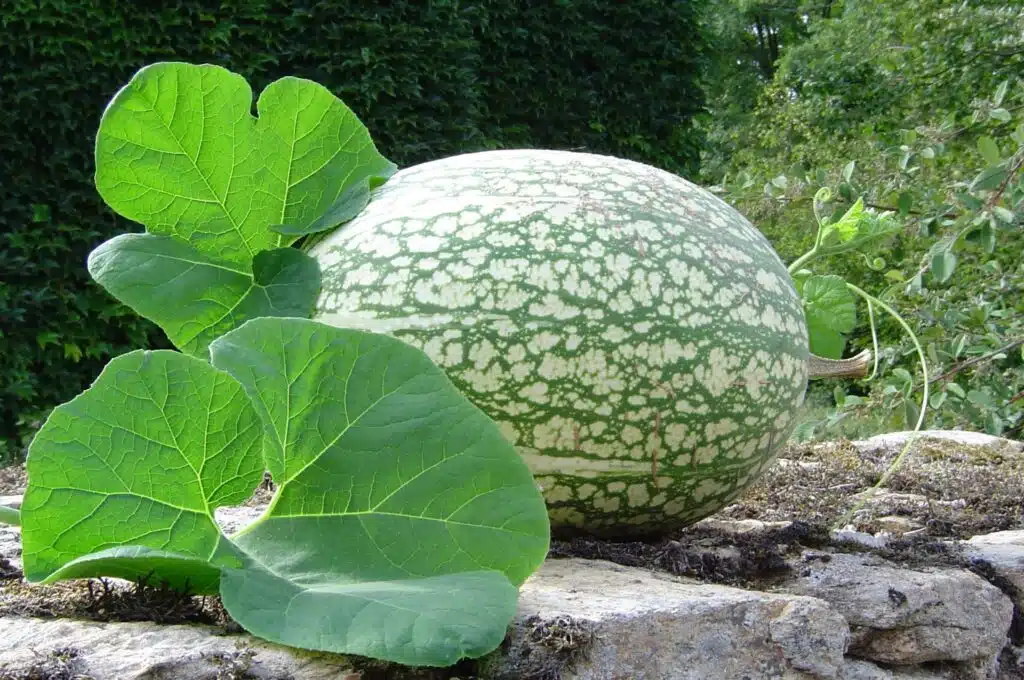
Malabar Gurd, also known as Fig Leaf Gurd or Chilacayote, is a versatile vegetable native to Central and South America. It is known for its large, round fruit, which can be used in savory and sweet dishes.
Nutritional Value:
- Rich in dietary fiber, vitamins A and C, and potassium.
- It contains antioxidants and essential minerals like magnesium.
Culinary Uses:
- The flesh is often used in soups, stews, and curries.
- It can be candied or made into preserves and jams.
- The seeds are also edible and can be roasted as a snack.
Growing Tips:
- Prefers warm, sunny locations with well-drained soil.
- It requires a sturdy trellis or support as it is a climbing vine.
- Regular watering is necessary, especially during the fruiting stage.
Availability:
- Available in late summer through fall.
- It is found in specialty markets, particularly in regions with Hispanic populations.
26. Mauka
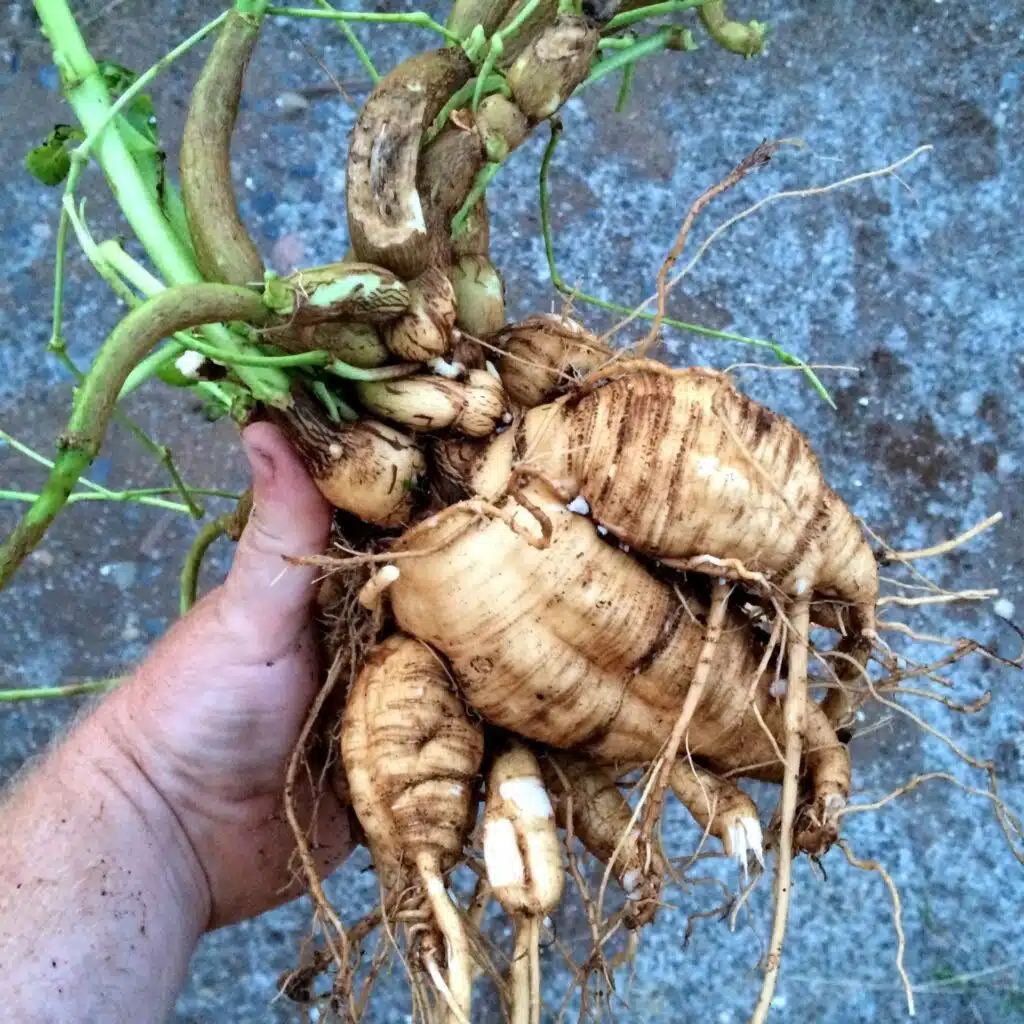
Mauka is a root vegetable native to the Andean region, known for its sweet, starchy taste. It is often used in traditional Andean cuisine.
Nutritional Value:
- High in carbohydrates, fiber, and vitamin C.
- Contains essential minerals like calcium and iron.
Culinary Uses:
- Often boiled, mashed, or roasted.
- Used in soups, stews, and as a side dish.
Growing Tips:
- Prefers cool, high-altitude environments with well-drained soil.
- Requires full sun and regular watering.
Availability:
- Available in late fall and winter.
- Found in specialty markets, particularly in Andean regions.
27. Malanga Blanca
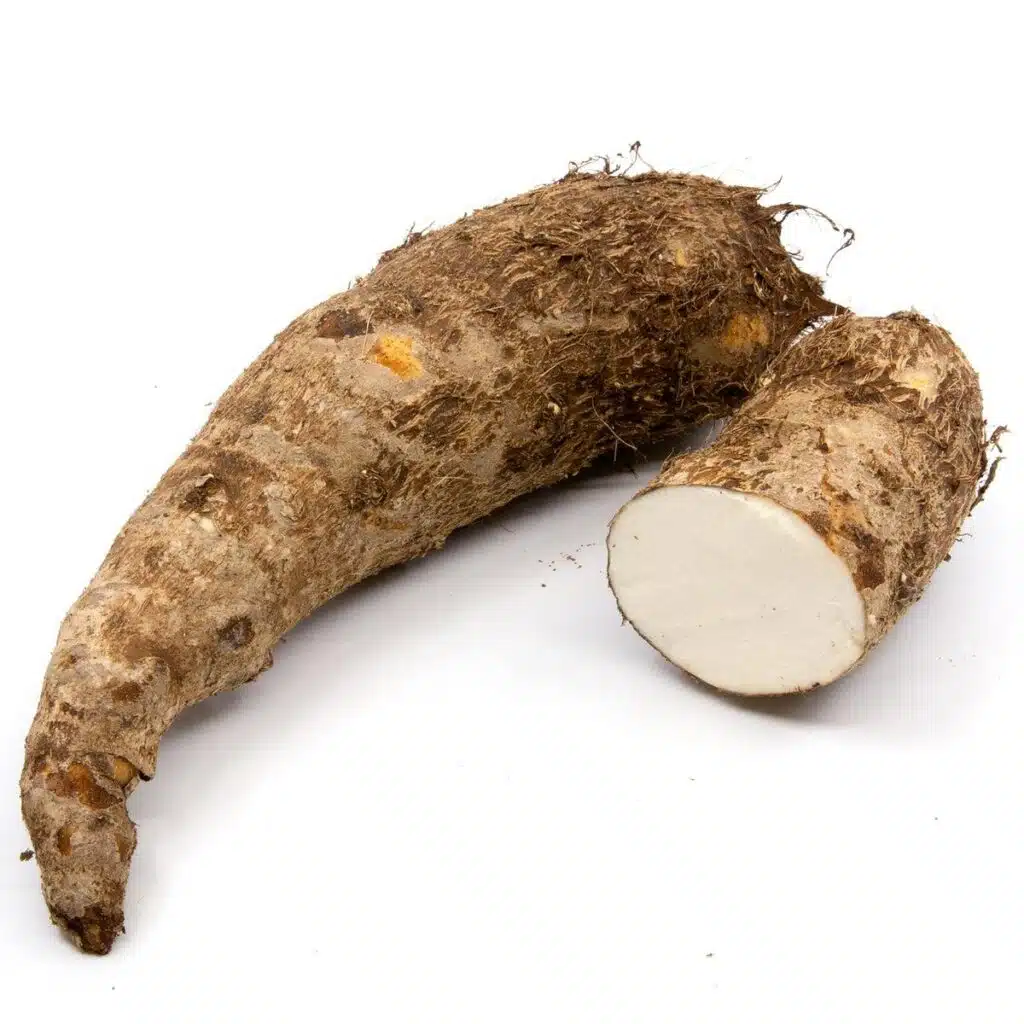
Malanga Blanca is a starchy root vegetable similar to taro, commonly used in Caribbean and Latin American cuisines. It has a nutty flavor and is often used in soups and stews.
Nutritional Value:
- High in fiber, potassium, and vitamin C.
- Contains complex carbohydrates for sustained energy.
Culinary Uses:
- Often boiled, mashed, or fried.
- Used in soups, stews, and as a side dish.
Growing Tips:
- Prefers warm, humid climates with well-drained soil.
- Requires regular watering and partial shade.
Availability:
- Available year-round in tropical regions.
- Found in Latin American and Caribbean markets.
28. Mitsuba
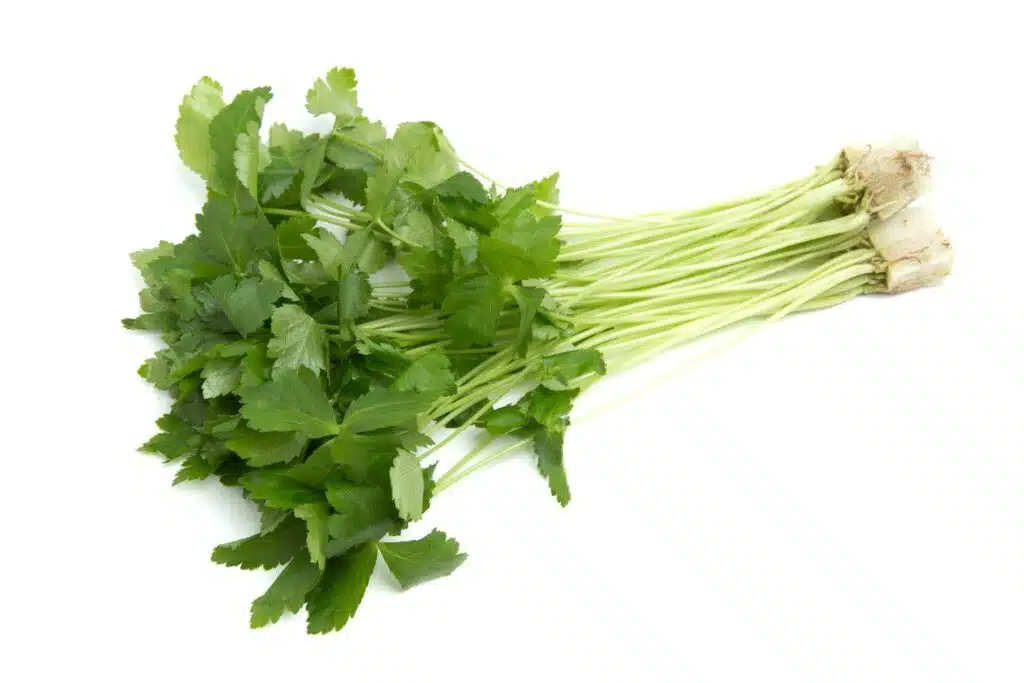
Mitsuba is a Japanese herb with a fresh, parsley-like flavor, commonly used in Japanese cuisine. The name “Mitsuba” means “three leaves” in Japanese, referring to the shape of its leaves.
Nutritional Value:
- Rich in vitamins A and C, and calcium.
- Contains antioxidants and essential oils.
Culinary Uses:
- Often used in soups, salads, and garnishes.
- Can be added to rice dishes or used as a seasoning.
Growing Tips:
- Prefers cool weather and moist, well-drained soil.
- Grows well in partial shade and requires regular watering.
Availability:
- Available in spring and fall.
- Found in Asian grocery stores and specialty markets.
29. Melokhia (Jute Leaves)
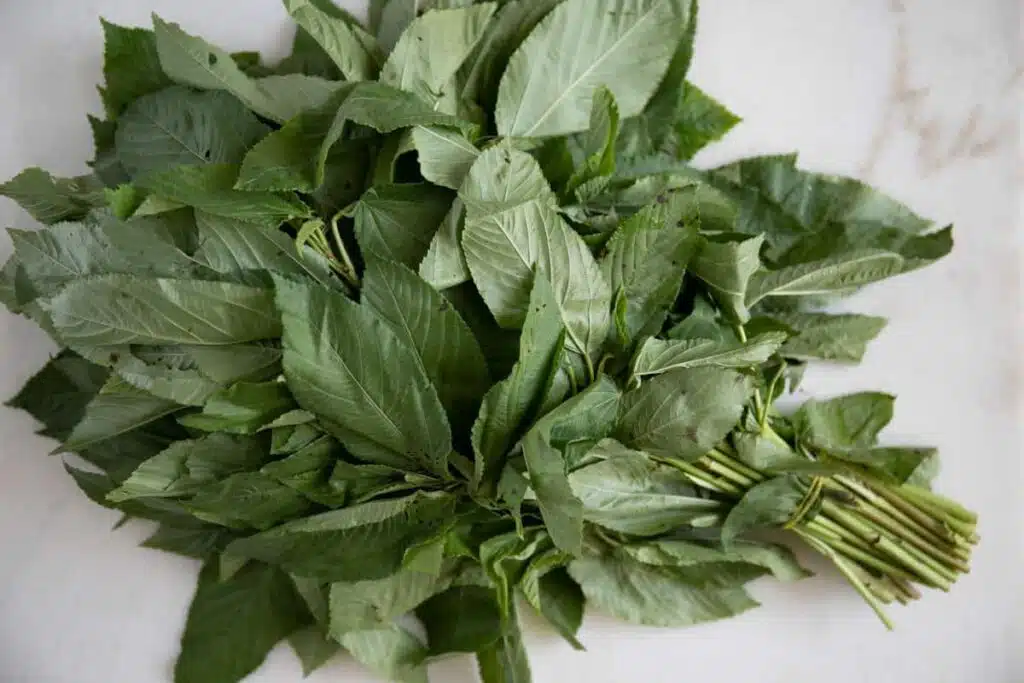
Melokhia, also known as Jute Leaves, is a leafy green vegetable widely used in Middle Eastern and African cuisines. It has a slightly bitter taste and is often used in soups.
Nutritional Value:
- High in vitamins A, C, and E.
- Contains fiber, calcium, and iron.
Culinary Uses:
- Commonly used in soups, stews, and as a thickener.
- Can be sautéed or used in sauces.
Growing Tips:
- Thrives in warm, humid climates with well-drained soil.
- Requires regular watering and full sun.
Availability:
- Available in summer and early fall.
- Found in Middle Eastern and African markets.
30. Madras Onion
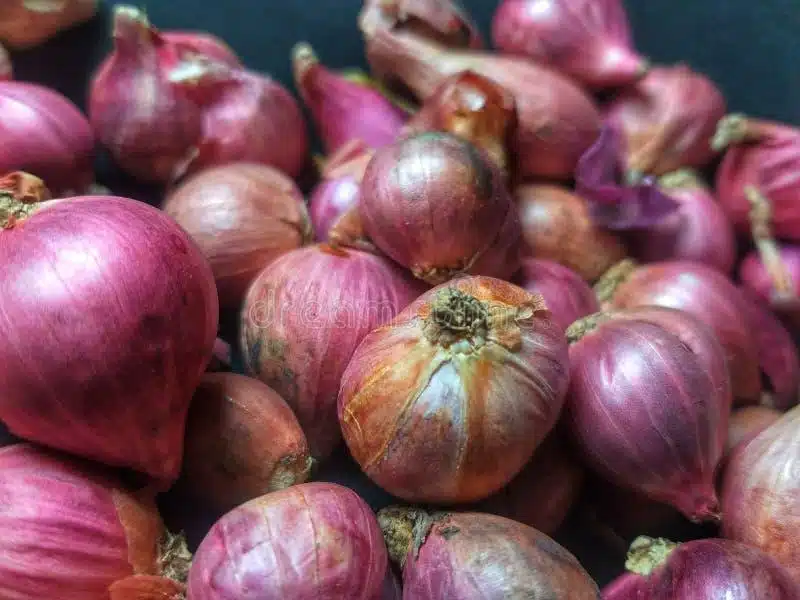
Madras Onion, also known as shallots in some regions, is a small, flavorful onion variety used extensively in Indian and Southeast Asian cooking. It has a milder taste compared to regular onions.
Nutritional Value:
- Rich in vitamins C and B6, and antioxidants.
- Contains sulfur compounds that may have health benefits.
Culinary Uses:
- Often used in curries, pickles, and sauces.
- Can be caramelized and added to salads or garnishes.
Growing Tips:
- Prefers well-drained soil and full sun.
- Requires regular watering and proper spacing for bulb growth.
Availability:
- Available year-round.
- Found in Indian and Southeast Asian grocery stores.
Conclusion
Now you know about 30 vegetables that start with M! I hope this list has sparked your curiosity and inspired you to try some new flavors in your kitchen.
Remember, adding variety to your diet isn’t just about taste – it’s a great way to boost your nutrition too.
Why not challenge yourself to try one new M vegetable each week? You might discover a new favorite! And don’t forget to get creative – mix these veggies into your usual recipes for a fresh twist.
Got questions about these vegetables or want to share your experiences? Leave a comment below! I’d love to hear which M vegetables you’ve tried or plan to try soon.
Happy cooking, and enjoy exploring these exciting additions to your meal planning!