

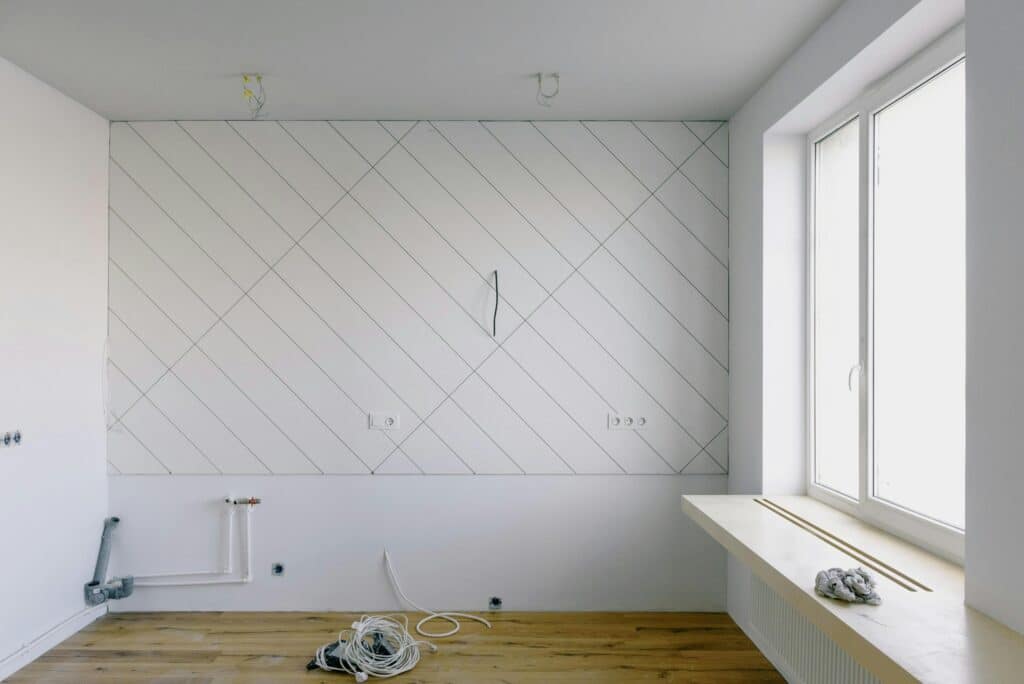
A renovation can make a home look brand new, but some of the most important decisions happen before the walls are closed. Once drywall, tile, cabinets, or flooring are installed, the plumbing behind those finished surfaces becomes much harder to reach. That is why planning plumbing access early is one of the smartest steps in any home renovation.
Many homeowners focus on where the new vanity, shower, washer, kitchen sink, or appliance will go. But they may forget to ask a more practical question: if something needs maintenance later, can anyone actually reach it? Poor access can turn a simple repair into a messy, expensive project. Before closing walls, homeowners should think carefully about shutoff placement, service panels, fixture connections, and future repair needs.
For homeowners, contractors, and DIY renovators preparing for a remodel, PlumbingSell offers practical plumbing supplies such as shutoff valves, fittings, supply lines, outlet boxes, and PEX products that can help create a cleaner and more serviceable renovation.
Why Plumbing Access Matters
Plumbing systems are not “set it and forget it.” Even a well-installed system may need attention over time. Shutoff valves may need to be replaced. Supply lines may wear out. Shower valves may need service. Appliance connections may need inspection. Drains may need cleaning.
If these parts are buried behind finished walls or blocked by cabinets, repairs become much harder. In some cases, a plumber may need to cut into drywall, remove tile, pull out cabinetry, or move heavy appliances just to reach a basic connection.
Good access planning does not mean leaving your renovation unfinished or unattractive. It means placing important plumbing parts where they can be reached without damaging the finished room.
Put Shutoff Valves Where They Can Actually Be Used
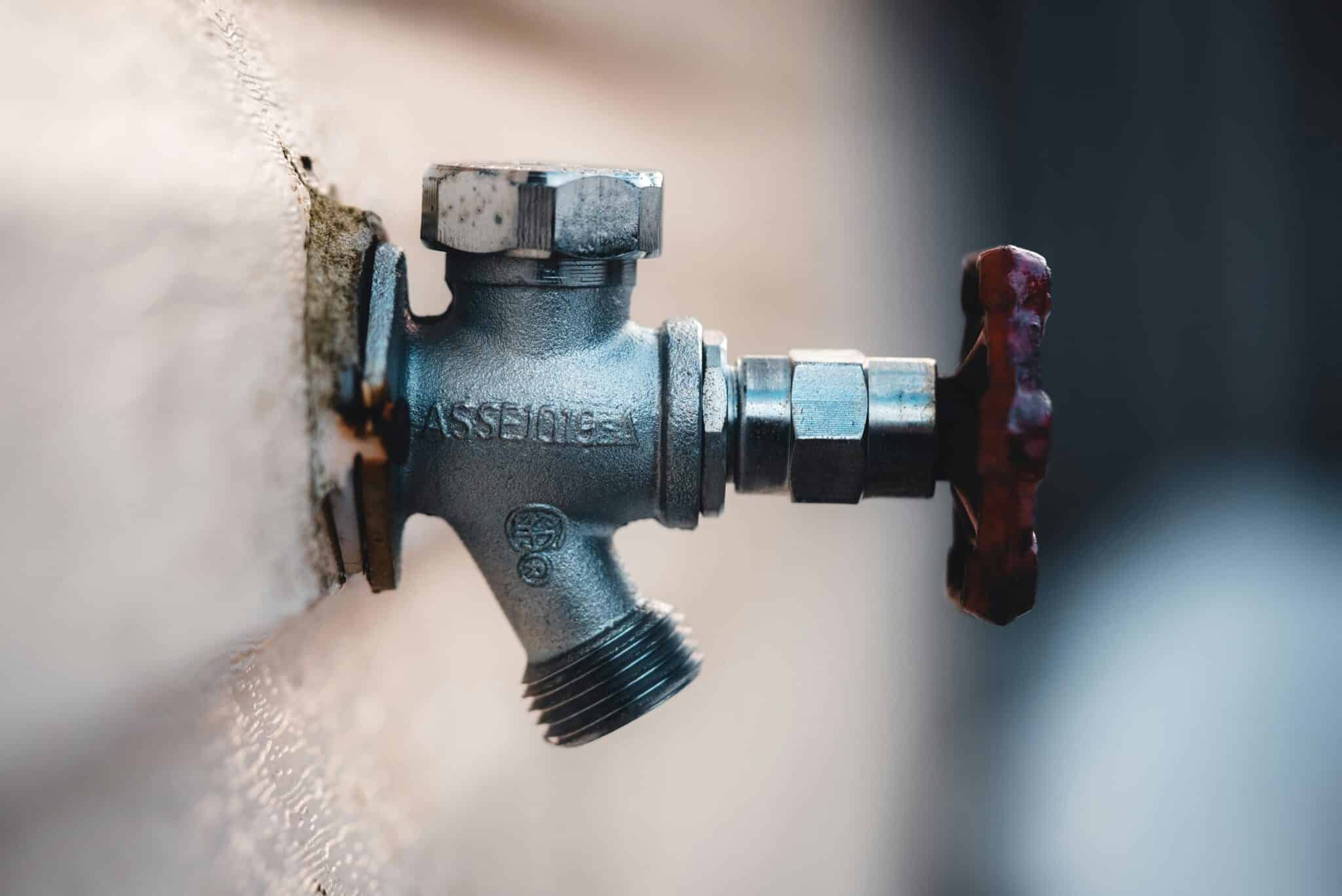
Shutoff valves are one of the most important access points in any plumbing system. They allow water to be turned off at a specific fixture or appliance without shutting down the entire home.
During renovation, make sure every sink, toilet, washing machine, refrigerator water line, dishwasher connection, and utility sink has a practical shutoff plan. Valves should not be hidden behind fixed panels, deep drawers, permanent shelving, or appliances that are difficult to move.
For bathrooms and kitchens, valves should be visible inside the cabinet or near the fixture. For laundry rooms, washing machine valves should remain reachable after the washer and dryer are installed. For refrigerator water lines, a dedicated shutoff valve should be placed where it can be accessed without pulling apart the entire kitchen.
If old valves are stiff, corroded, or hard to turn, replace them while the wall or cabinet area is open. Quarter-turn valves are often a useful upgrade because they are simple to operate and provide quick control during leaks or maintenance.
Use Outlet Boxes for Cleaner Access
Outlet boxes are a smart way to organize plumbing connections, especially in laundry rooms and appliance areas. A washing machine outlet box, for example, can keep hot water, cold water, shutoff valves, and the drain connection in one clean, accessible wall location.
This is much better than leaving loose pipes and valves coming through the wall at different points. It also helps make the finished space look more professional. Icemaker outlet boxes can also create a cleaner connection behind refrigerators with water dispensers or ice makers.
The key is placement. Outlet boxes should be installed at a practical height and location before drywall goes up. They should not be blocked by cabinets, shelving, or appliance placement. A clean installation is only useful if the homeowner can still reach it later.
Plan Access for Shower and Tub Valves
Shower and tub valves are often hidden inside walls, which makes access planning especially important. If the valve ever needs repair or replacement, the finished tile wall can make the job difficult.
In some layouts, an access panel can be placed on the opposite side of the wall, such as in a closet, hallway, or utility space. This allows future service without breaking finished tile. Not every bathroom design allows for an access panel, but it is worth considering before the wall is closed.
Before tiling, confirm that the shower valve, mixing valve, supply connections, and tub spout connections are installed correctly and tested. It is much easier to fix a rough-in issue before tile is installed than after the bathroom is complete.
Avoid Hiding Drain Problems Behind Finished Surfaces
Drain access is just as important as water supply access. Sinks, tubs, showers, and washing machines all need proper drain planning. If a drain line is poorly sloped, awkwardly routed, or difficult to clean, the problem may not appear until after the renovation is finished.
Before closing walls or cabinets, check that drain lines are properly aligned and serviceable. Under-sink traps should be reachable. Washing machine drains should be positioned securely. Cleanouts, where needed, should not be covered by permanent finishes.
A beautiful renovation can quickly become frustrating if a slow drain requires cutting into a wall to diagnose the issue.
Think Like the Person Who Will Repair It Later

A good renovation should not only look finished today. It should also make sense five or ten years from now. Before closing up walls, imagine a future repair. Can someone shut off the water quickly? Can they see the connection? Can they replace a hose, valve, or fitting without damaging cabinets or tile?
This mindset helps prevent hidden problems. It also makes the renovation more valuable because the home becomes easier to maintain. For remodelers looking for practical parts that support better access and cleaner installations, PlumbingSell provides valves, fittings, outlet boxes, supply lines, and other plumbing products for residential projects.
Conclusion
Planning plumbing access before closing renovation walls is one of the most important steps homeowners can take. Shutoff valves, outlet boxes, shower valves, drains, supply lines, and fittings should all be placed with future maintenance in mind.
The best renovations are not only beautiful on the surface. They are also practical behind the walls. By planning access early, homeowners can avoid hidden problems, reduce future repair costs, and create a home that is easier to maintain long after the remodel is complete.