


We explore a selection of fruits that start with the letter “W.” This assortment includes well-known favorites like watermelon alongside exotic varieties such as wax apple and white sapote, each offering unique flavors and nutritional profiles.
Did you know the diversity of fruits available globally is vast, with many beginning with specific alphabet letters that can delight any fruit lover?
From the juicy, hydrating delight of watermelons to the rare and refreshing taste of wax apples, this list promises to expand your culinary horizons and introduce you to new, delicious options.
Whether you’re a culinary enthusiast or just looking to add more variety to your diet, these fruits provide fascinating insights and tasty benefits.
List of Fruits that Start with W
1. Watermelon
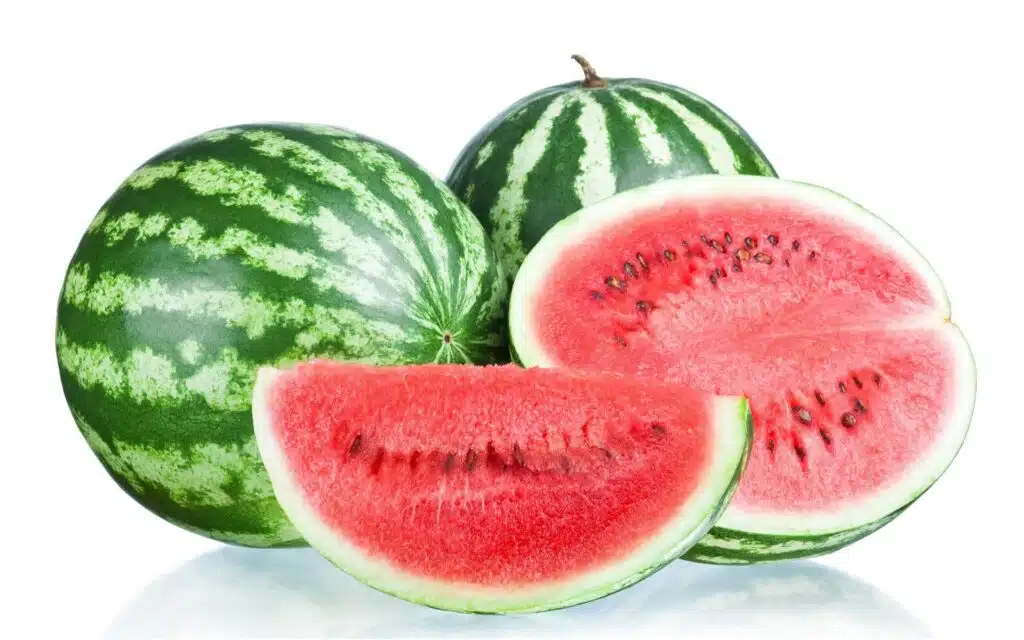
Originating from Africa, watermelons are large, juicy fruits with a hard green exterior and a vibrant red, sweet interior. They are celebrated for their refreshing quality and sweet taste, making them a favorite during warm weather.
| Nutritional Benefits | Culinary Uses | Growing Conditions |
|---|---|---|
| Rich in vitamins A and C, antioxidants, and amino acids; low in calories. | It is commonly eaten fresh in slices, used in fruit salads, or juiced. | It prefers warm, sunny climates and well-drained soils. |
Fun Facts
- Watermelons are 92% water, making them excellent for hydration.
- They were used as canteens by early explorers and travelers.
2. Wax Apple
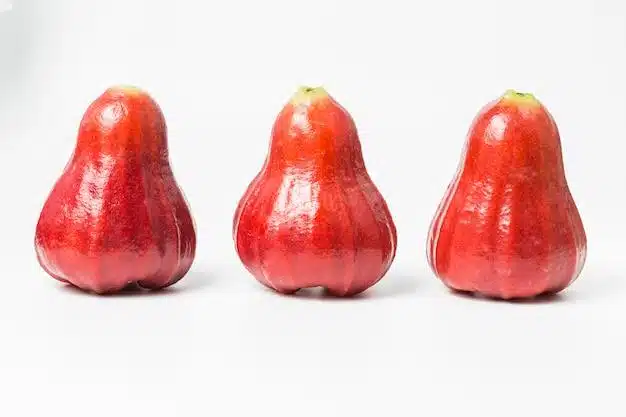
Native to the Malay Peninsula and cultivated throughout Southeast Asia, wax apples are bell-shaped fruits with a glossy, waxy skin and crunchy, watery flesh. They are mildly sweet and very refreshing.
| Nutritional Benefits | Culinary Uses | Growing Conditions |
|---|---|---|
| It contains vitamin C and dietary fiber and is low in calories. | Eaten fresh, added to fruit salads, or made into juices. | Thrive in tropical climates with lots of rainfall. |
Fun Facts
- The wax apple tree can flower up to four times a year, depending on the variety.
- In Taiwan, a special black pearl variety is highly prized for its sweet, robust flavor.
3. White Sapote
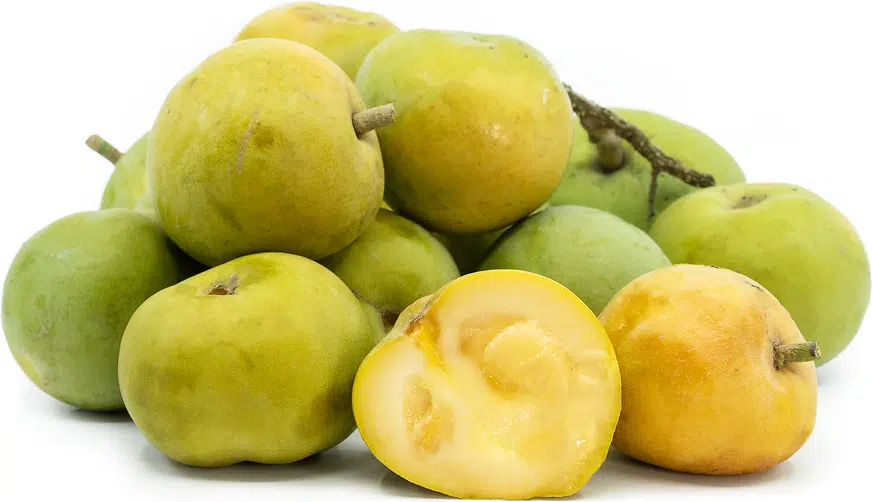
Hailing from Central America, the white sapote is a round, green-skinned fruit with a creamy, custard-like white interior. It’s rich in flavor, often described as a blend of banana, peach, and pear.
| Nutritional Benefits | Culinary Uses | Growing Conditions |
|---|---|---|
| High in vitamin C and dietary fiber. | Typically eaten fresh or used in desserts. | Prefers subtropical to mild-temperate climates; frost-sensitive. |
Fun Facts
- White sapote is not a true sapote. Its name comes from the Aztec word ‘tzapotl’.
- The fruit has sedative properties and was traditionally used to aid sleep.
4. Wolfberry (Goji Berry)

Wolfberries, often known as Goji berries, originate from Asia, particularly China. These small, bright red berries are praised for their sweet and slightly sour flavor and are a staple in traditional Asian cuisine and medicine.
| Nutritional Benefits | Culinary Uses | Growing Conditions |
|---|---|---|
| They are rich in antioxidants, vitamins A and C, and contain high levels of iron and selenium. | They are commonly used dried in cereals, smoothies, and teas or eaten fresh. | Prefers arid to semi-arid climates and tolerates poor soil conditions. |
Fun Facts
- Goji berries are considered a superfood due to their high nutrient density.
- They have been used in traditional Chinese medicine for over 2,000 years to enhance longevity and vitality.
5. Wild Plum
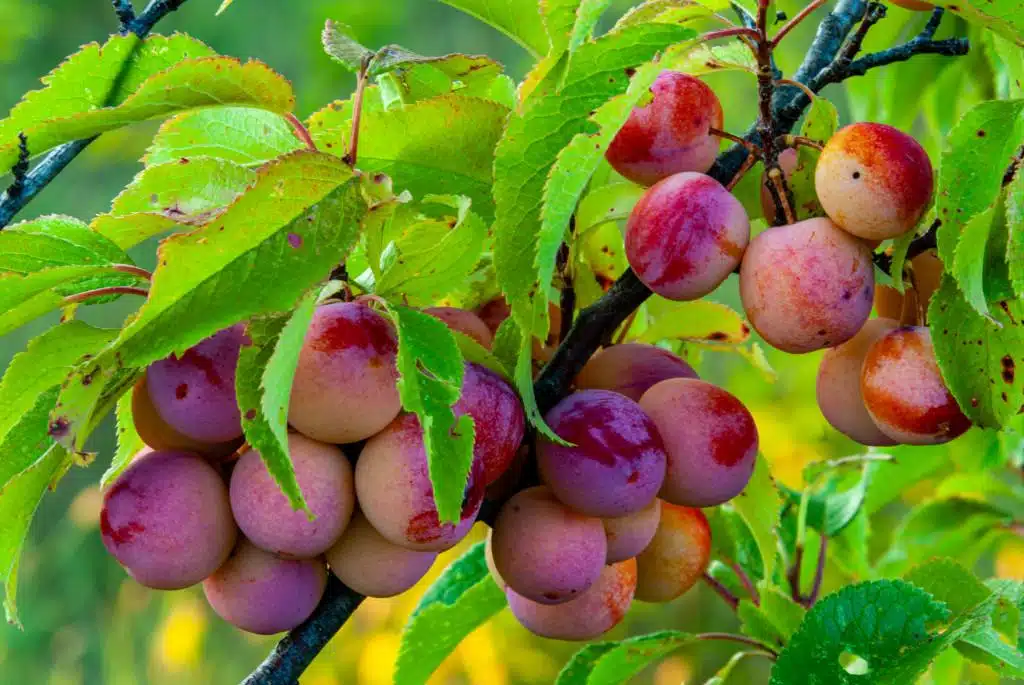
Wild plums, native to North America, are small, tart fruits that grow wild in various regions. They are vibrant in color, ranging from yellow to deep red, and are known for their juicy, tangy flavor.
| Nutritional Benefits | Culinary Uses | Growing Conditions |
|---|---|---|
| High in vitamin C, dietary fiber, and antioxidants. | They are used in jams, jellies, and pies or eaten fresh. | Thrive in well-drained soils and can adapt to a variety of soil types; need full sun. |
Fun Facts
- Wild plums are used by various Native American tribes in traditional dishes.
- They attract a variety of wildlife, making them excellent for ecological gardens.
6. Wineberry
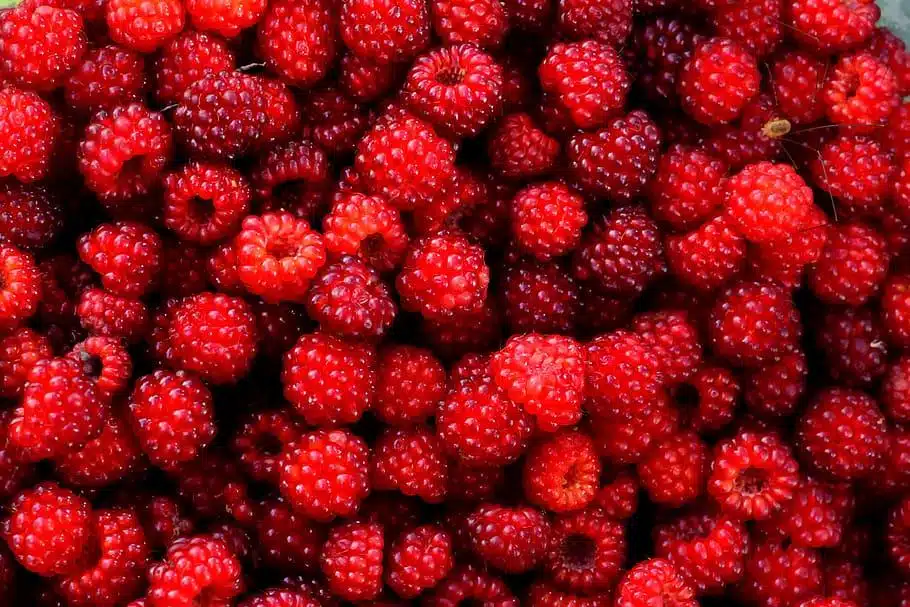
Wineberries are native to East Asia but have become common in parts of North America, where they grow wild. They are closely related to raspberries and are known for their deep red, shiny, and sticky fruit.
| Nutritional Benefits | Culinary Uses | Growing Conditions |
|---|---|---|
| Contains vitamins C and E, fiber, and antioxidants. | Used in desserts, jams, and preserves or eaten fresh. | Prefers acidic, well-drained soils; tolerant to shade but best fruit production in full sun. |
Fun Facts
- Wineberries are considered invasive in some regions of the United States.
- They are covered in fine hairs, which give them a unique, tactile appeal.
7. White Currant
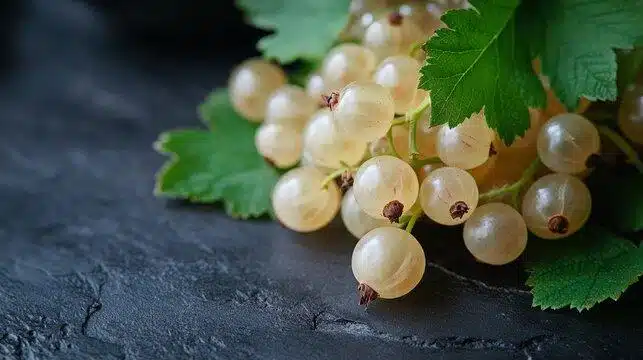
White currants are a variety of red currants originating from Europe. They are less tart than their red counterparts and offer a sweet, delicate flavor. These translucent white berries grow in clusters.
| Nutritional Benefits | Culinary Uses | Growing Conditions |
|---|---|---|
| Rich in vitamin C, potassium, and antioxidants. | Popular in jellies, syrups, and desserts or eaten fresh. | Thrives in cooler climates with moist, well-drained soil; requires winter chilling. |
Fun Facts
- White currants are often used in decorative food presentations because of their aesthetic appeal.
- They are less commonly grown than red or black currants due to their more delicate flavor and appearance.
8. White Mulberry
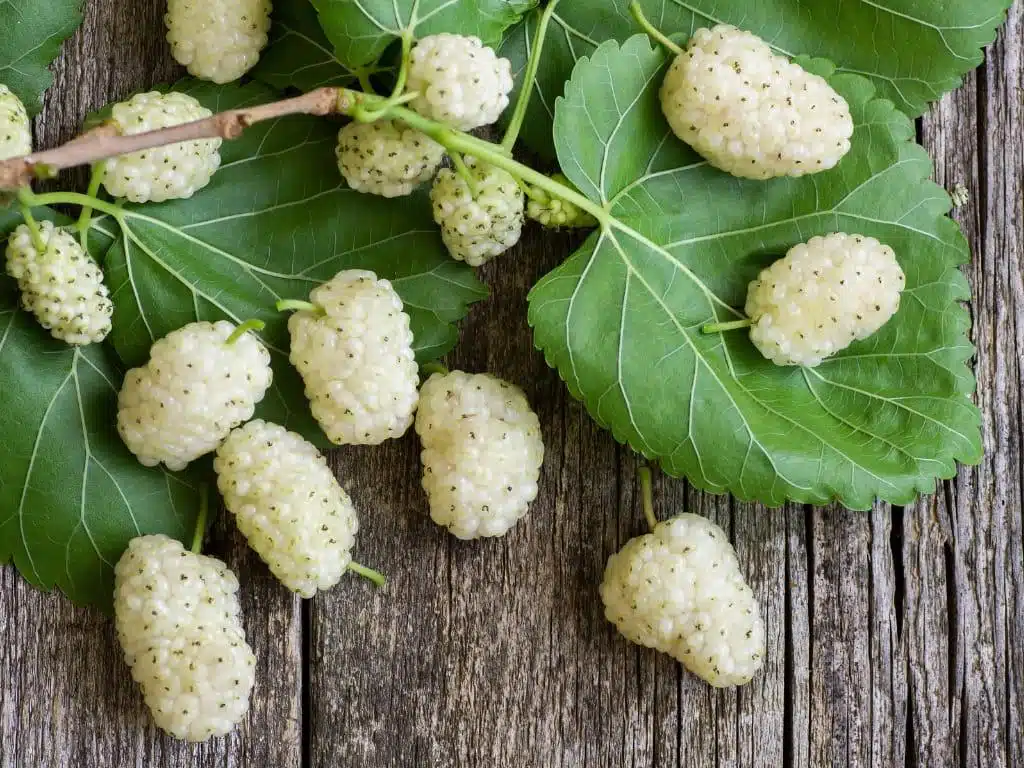
White mulberries originate from China and are now widespread worldwide. These sweet and slightly tart fruits range in color from white to pink and even light purple.
| Nutritional Benefits | Culinary Uses | Growing Conditions |
|---|---|---|
| High in vitamin C, iron, vitamin K, and antioxidants. | Often eaten fresh, used in pies, jams, and herbal teas. | Adaptable to various climates, prefers full sun and well-drained soil. |
Fun Facts
- White mulberry leaves are the preferred food of silkworms, crucial for silk production.
- The trees can live for hundreds of years and are often planted for their shade and ornamental value.
9. Wild Banana

Wild bananas are the ancestors of the common cultivated bananas and are native to Southeast Asia and the Pacific Islands. They are smaller, have a thicker skin, and contain large seeds.
| Nutritional Benefits | Culinary Uses | Growing Conditions |
|---|---|---|
| Rich in potassium, vitamins A, B6, and C, and dietary fiber. | They are rarely eaten fresh due to seeds used in cooking and baking. | Tropical climates require moist, nutrient-rich soil and partial to full sunlight. |
Fun Facts
- Wild bananas are crucial for genetic research in improving cultivated bananas’ disease resistance and climate adaptability.
- Each plant only fruits once before dying, leading to new plants’ growth from the base.
10. Wild Grape
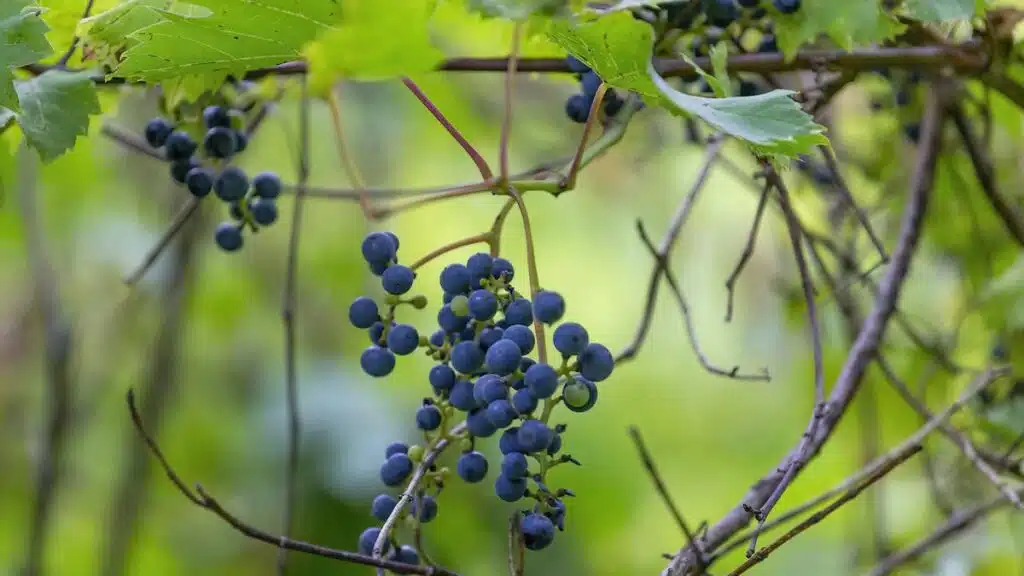
Native to several regions including North America and parts of Asia, wild grapes are smaller and tarter than their cultivated counterparts, often used in wine-making.
| Nutritional Benefits | Culinary Uses | Growing Conditions |
|---|---|---|
| Contains resveratrol, antioxidants, vitamins C and K, and fiber. | Used to make jellies, wines, and juices. | Thrives in a variety of soil types; prefers full sun for best fruit production. |
Fun Facts
- Wild grapes are vital for breeding new grape varieties with increased hardiness and disease resistance.
- They grow vigorously, often overtaking other plants and structures if not managed.
11. Water Apple
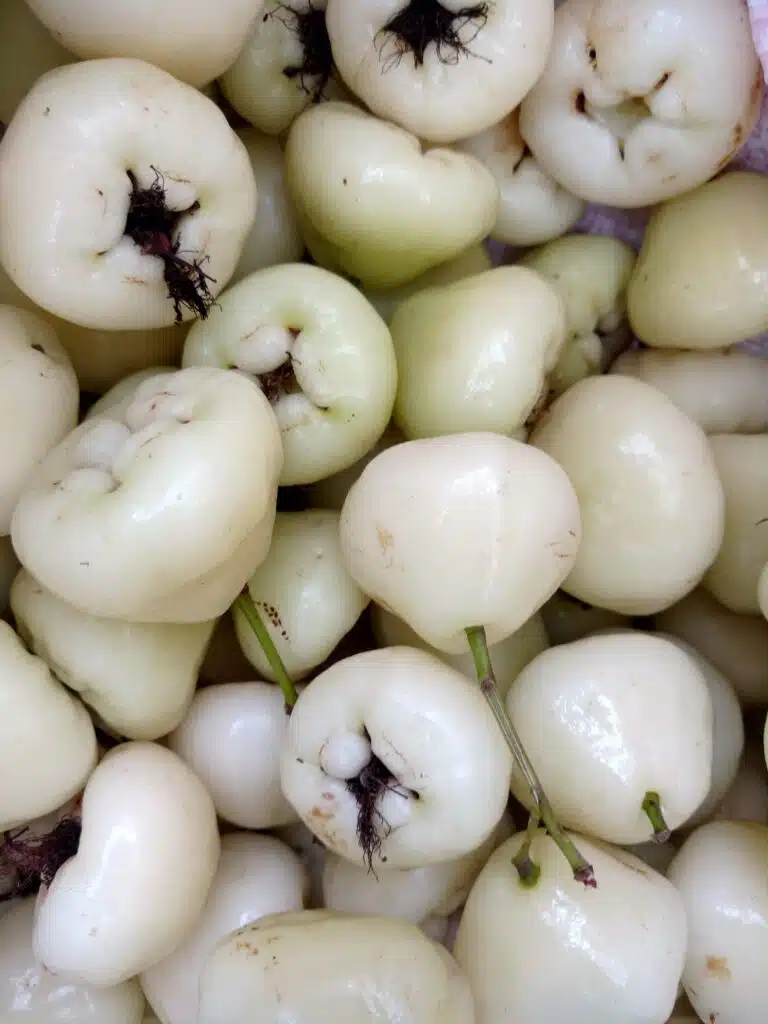
Native to the Malay Archipelago, water apples are crisp and juicy with a very mild flavor, often bell-shaped and ranging in color from pale pink to red.
| Nutritional Benefits | Culinary Uses | Growing Conditions |
|---|---|---|
| It is low in calories and contains vitamin C and dietary fiber. | Eaten fresh, used in salads, or juiced. | It requires tropical to subtropical climates and loves rainy environments. |
Fun Facts
- Water apples are also known as “jambu air” in many parts of Southeast Asia.
- The fruit is often used in traditional ceremonies and offerings in Bali and other Indonesian islands.
12. West Indian Cherry
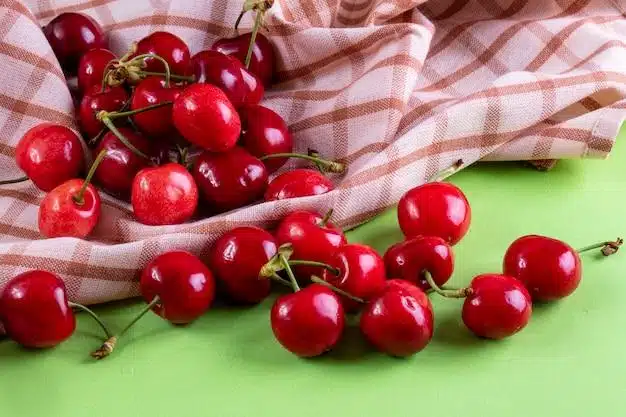
Also known as acerola, West Indian cherries are native to the Caribbean and parts of Central and South America. They are small, bright red fruits with a tart, refreshing taste.
| Nutritional Benefits | Culinary Uses | Growing Conditions |
|---|---|---|
| Exceptionally high in vitamin C, it also contains vitamins A, B and antioxidants. | Used in juices, smoothies, and nutritional supplements. | Prefers warm climates, needs well-drained soil, and is drought-resistant. |
Fun Facts
- West Indian cherry has one of the highest contents of vitamin C per weight among fruits.
- They are often used in research for their antioxidant properties and potential health benefits.
13. Whortleberry
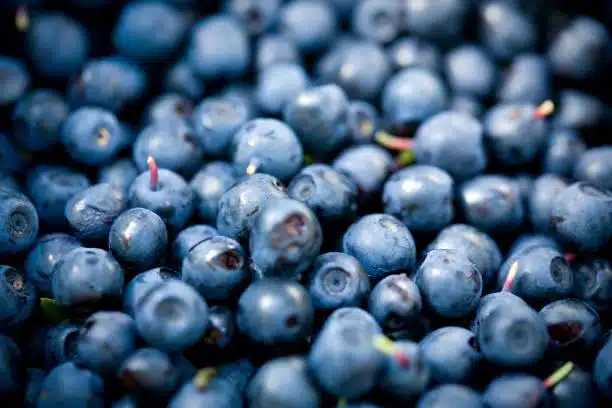
Whortleberries, also known as European blueberries, are native to the forests and heathlands of Europe. They are smaller and darker than the common blueberry, with a rich, tart flavor.
| Nutritional Benefits | Culinary Uses | Growing Conditions |
|---|---|---|
| High in antioxidants, vitamins C and E, and dietary fiber. | Used in jams, pies, and as a flavoring in beverages. | Prefers acidic, well-drained soils; thrives in cooler climates. |
Fun Facts
- Whortleberries are often foraged in the wild, making them a popular pick among natural food enthusiasts.
- The berries have historically been used in Europe for medicinal purposes, especially in treating gastrointestinal ailments.
14. Wild Raspberry
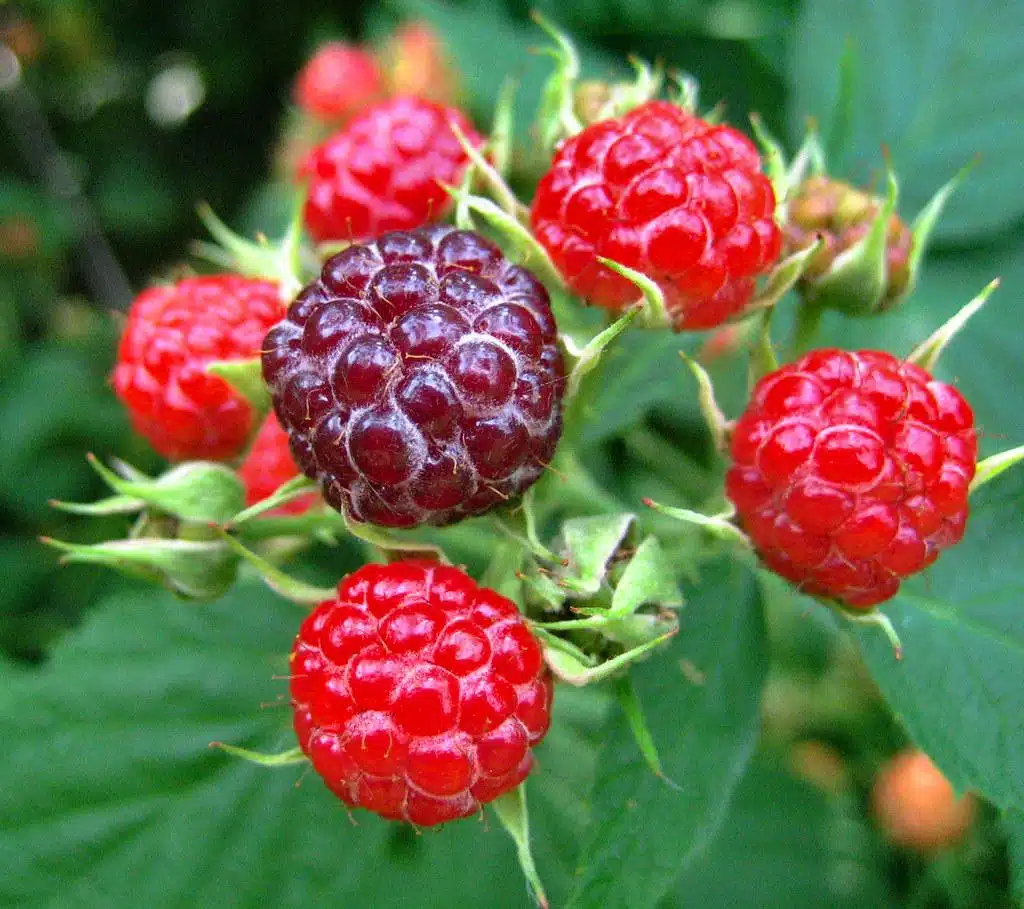
Wild raspberries are found across Europe and North America. These berries are smaller and more aromatic than cultivated varieties, offering a balance of sweet and tart flavors.
| Nutritional Benefits | Culinary Uses | Growing Conditions |
|---|---|---|
| Rich in vitamins C and K, manganese, and dietary fiber. | It is commonly used in desserts, jams, and syrups or eaten fresh. | Thrive in cool climates with well-drained, fertile soils. |
Fun Facts
- Wild raspberries are often used in traditional medicine for their anti-inflammatory properties.
- They attract a variety of wildlife, including birds and pollinators, which are essential for their propagation.
15. Wood Apple
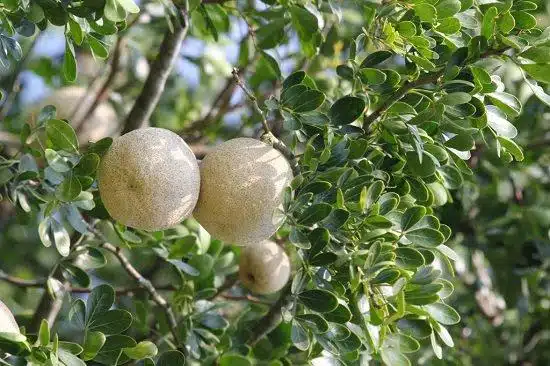
Native to the Indian subcontinent and parts of Southeast Asia, wood apples are hard-shelled fruits with a sticky, brown pulp. Their flavor is tart and musky.
| Nutritional Benefits | Culinary Uses | Growing Conditions |
|---|---|---|
| High in vitamin C, fiber, and a good source of calcium. | Used in smoothies, chutneys, and traditional desserts. | Prefers dry conditions and can tolerate less fertile soils. |
Fun Facts
- Wood apples are revered in Indian culture for their medicinal properties, particularly for digestive benefits.
- The hard outer shell of the fruit makes it durable, allowing it to be stored for extended periods.
16. Winter Melon

Originating from South Asia, the winter melon is a large fruit that is treated more like a vegetable in culinary contexts. It has a mild, almost bland taste, which absorbs the flavors of the foods and spices it is cooked with.
| Nutritional Benefits | Culinary Uses | Growing Conditions |
|---|---|---|
| Low in calories, contains small amounts of vitamin C and zinc. | Popular in Asian soups and stews, candied, or used in traditional medicine. | It grows well in hot and humid climates, and requires a long growing season. |
Fun Facts
- Winter melon can grow up to 80 cm in length and weigh up to 40 kg.
- It has a waxy coating on its surface, which helps preserve it for many months after harvesting, allowing it to be available in the winter.
17. Wampee
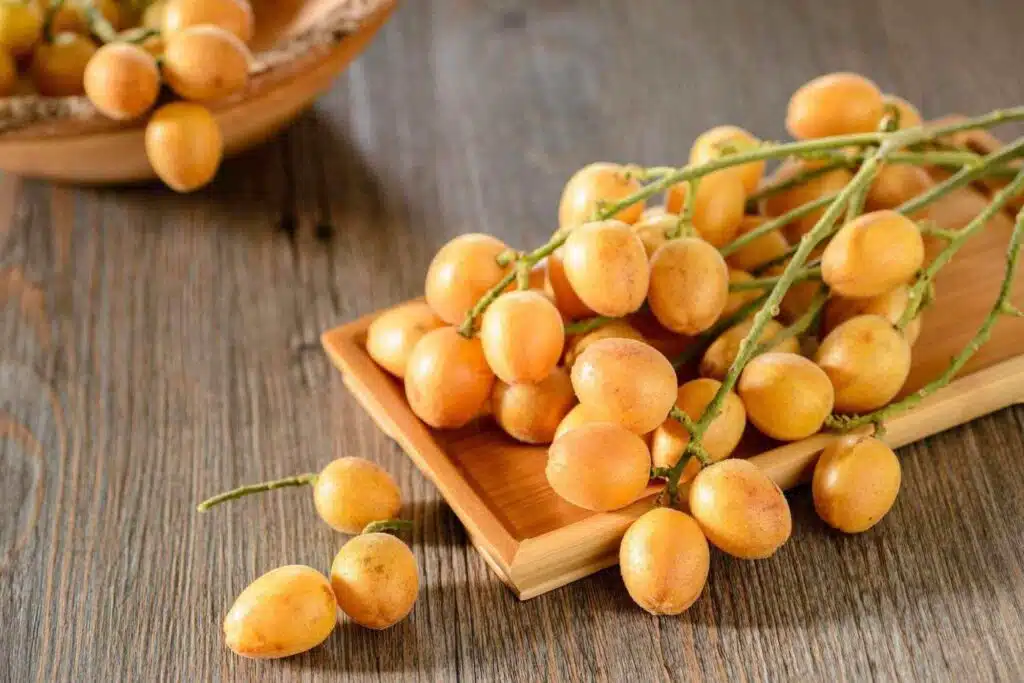
Wampee is a tropical fruit native to Southeast Asia, particularly Southern China. It resembles a small grape with a sweet-tart flavor and a citrus-like aroma.
| Nutritional Benefits | Culinary Uses | Growing Conditions |
|---|---|---|
| Contains vitamins C and B, dietary fiber, and several essential minerals. | Eat fresh, used in preserves, or added to desserts and salads. | Prefers warm, humid climates with well-drained soils. |
Fun Facts
- Wampee is often eaten with the skin, which is thin and edible.
- The fruit is sometimes used in traditional Chinese medicine to aid digestion and balance the body’s chi.
18. Wild Blueberry
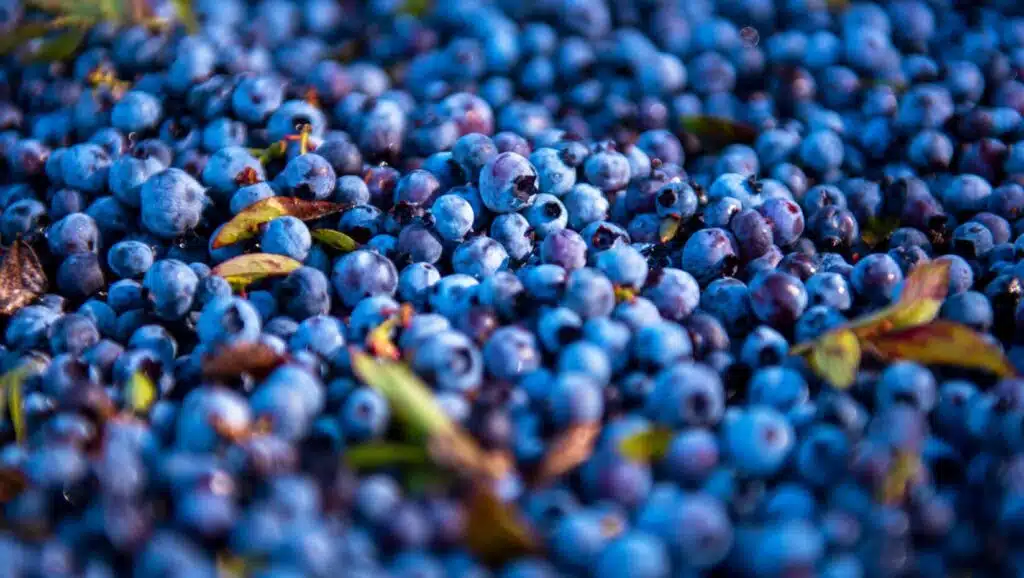
Wild blueberries, native to North America, are smaller and more intensely flavored than their cultivated counterparts. They grow naturally in acidic, nutrient-poor soils and are prized for their deep blue color and high antioxidant content.
| Nutritional Benefits | Culinary Uses | Growing Conditions |
|---|---|---|
| High in antioxidants, particularly anthocyanins, vitamins C and K, and dietary fiber. | Used in baking, jams, juices, and fresh consumption. | Thrive in acidic, well-drained soils; naturally resilient to colder climates. |
Fun Facts
- Wild blueberries are a key crop in Maine, where they cover vast tracts of acidic soil.
- They have a two-year crop cycle, growing on a biennial basis.
19. Walnut

Though often considered a nut, the walnut is technically the stone fruit of the walnut tree. It bears a hard shell enclosed by a fleshy and inedible husk and is native to the regions stretching from the Balkans eastward to the Himalayas and Southwest China.
| Nutritional Benefits | Culinary Uses | Growing Conditions |
|---|---|---|
| Rich in omega-3 fatty acids, antioxidants, and minerals like magnesium and phosphorus. | Used in baking, as a snack, and in savory dishes like salads and pastas. | They require deep, fertile, well-drained soils; they need full sun and are sensitive to temperature extremes. |
Fun Facts
- Walnuts are among the oldest tree foods known to man, dating back to 7000 B.C.
- The brain-like shape of the walnut has historically led to the belief that it helps develop intellect.
20. Weeping Boer-bean
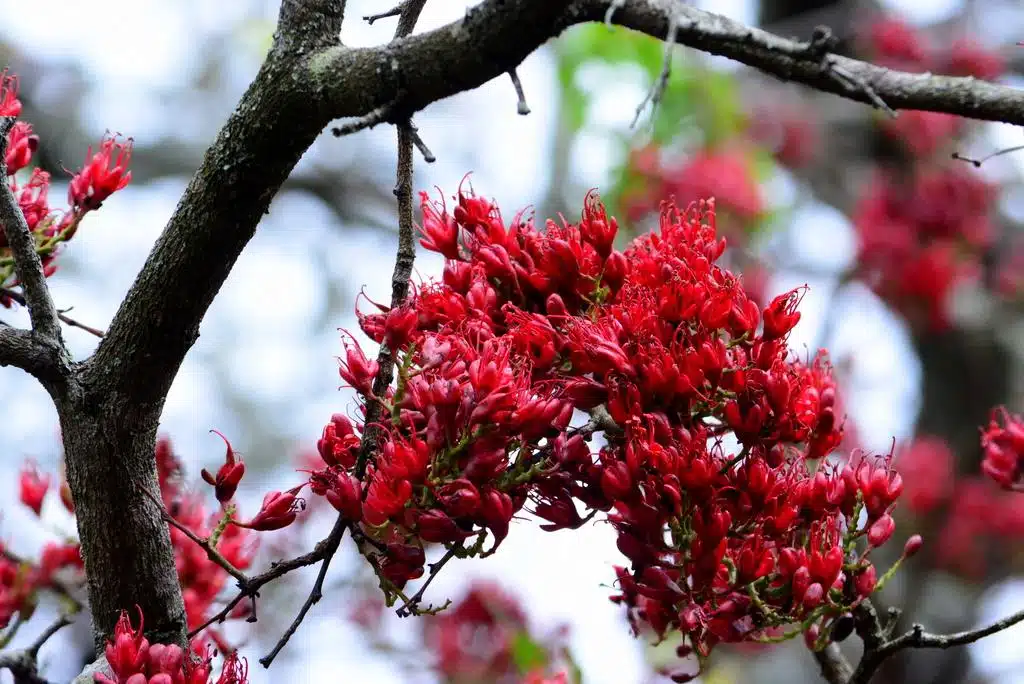
The Weeping Boer-bean is native to Southern Africa and is known for its striking red flowers and bean-like pods which contain the edible seeds. The seeds are typically bright red, adding a splash of color to the landscape.
| Nutritional Benefits | Culinary Uses | Growing Conditions |
|---|---|---|
| Seeds are high in protein and essential nutrients. | Seeds are used in traditional dishes and can be roasted for a snack. | Prefers hot, dry climates and is drought-resistant. |
Fun Facts
- The Weeping Boer bean is often planted as an ornamental tree due to its beautiful red flowers.
- It plays a significant role in the local ecosystem, providing habitat and food for numerous bird species.
Summing Up
Exploring the variety of fruits that start with the W has taken us on a flavorful journey from common favorites to less familiar treats.
Each fruit offers a unique taste and health benefits, proving that there’s always something new and exciting to discover in the produce world.
Whether you’re drawn to the sweet juiciness of watermelons or the subtle complexities of white currants, there’s no shortage of options to enhance your meals and snacks.
Incorporating these fruits into your diet can bring delightful variety and vital nutrients to your daily eating habits.
We hope this list inspires you to try some new flavors and enjoy the natural sweetness that these wonderful fruits provide.