

Finding the right breastfeeding positions can make a dramatic difference in comfort, milk transfer, and overall feeding success—especially in the early weeks. Whether you’re nursing a newborn, recovering from a C-section, or managing nighttime feeds, positioning matters just as much as latch.
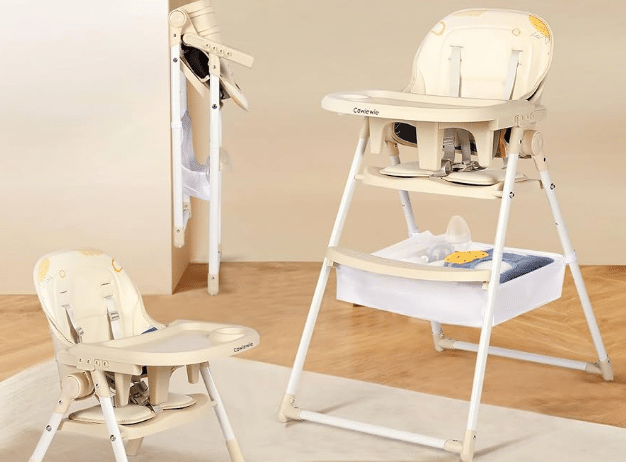
Creating a supportive feeding environment also extends beyond feeding itself. Having the right seating and setup—such as a stable, ergonomic high chair for infants for later feeding stages—helps promote healthy posture, routine, and comfort as your baby grows.
This guide explores the most effective breastfeeding positions, how to use them correctly, and how to adapt them to your body, your baby, and your lifestyle.
Finding the Most Comfortable Breastfeeding Positions for You
There is no single “best” breastfeeding position. The right position is one that:
-
Feels comfortable for your body
-
Supports your baby’s head and neck
-
Encourages a deep, pain-free latch
-
Allows efficient milk transfer
Many parents rotate through multiple positions throughout the day depending on:
-
Baby’s age and size
-
Time of day or night
-
Breast fullness or engorgement
-
Recovery needs (perineal pain or C-section healing)
Using pillows, rolled towels, or a footstool can greatly improve alignment and reduce strain on your back, shoulders, and wrists.
The Cradle Hold: A Classic Technique for Newborns
The cradle hold is one of the most commonly used breastfeeding positions and often the first parents try.
How it works:
-
Baby lies horizontally across your body
-
Their head rests in the crook of your arm
-
Baby’s body faces yours, tummy to tummy
Best for:
-
Full-term newborns
-
Parents who already have a good latch established
-
Comfortable daytime feeds
Tips for success:
-
Bring baby to breast, not breast to baby
-
Ensure baby’s ear, shoulder, and hip are aligned
-
Support baby’s back and hips—not just the head
While convenient, the cradle hold may be challenging early on if your baby needs extra help achieving a deep latch.
Using the Cross-Cradle Hold for Better Head Control and Latch
The cross-cradle hold offers more control than the traditional cradle hold, making it ideal in the early weeks.
How it differs:
-
You support baby’s head with the opposite hand from the nursing breast
-
Your forearm supports baby’s shoulders and neck
-
The free hand shapes the breast for latch guidance
Best for:
-
Newborns learning to latch
-
Babies with shallow latch or tongue-tie concerns
-
Parents experiencing nipple pain
Why it helps:
This position allows precise head positioning and makes it easier to guide baby into a wide, asymmetric latch.
The Football Hold: Ideal for C-Section Recovery and Small Babies
Also called the clutch hold, the football position tucks your baby along your side.
How it works:
-
Baby’s body is under your arm
-
Legs point toward your back
-
Baby’s head is supported at breast level
Best for:
-
C-section recovery (keeps pressure off the incision)
-
Parents with large breasts
-
Premature or small babies
-
Tandem feeding twins
Key advantages:
-
Excellent visibility of latch
-
Reduced pressure on abdomen
-
Helpful for draining outer breast tissue
This position often requires firm pillows to support baby at breast height.
Side-Lying Position for Nighttime Feedings and Much-Needed Rest
Side-lying breastfeeding is a game-changer for nighttime feeds.
How it works:
-
Both parent and baby lie on their sides
-
Baby faces the breast directly
-
Minimal movement required during feeds
Best for:
-
Overnight nursing
-
Postpartum recovery
-
Parents experiencing exhaustion
Safety tips:
-
Use a firm mattress
-
Remove loose blankets and pillows near baby
-
Return baby to a safe sleep space after feeding
This position allows rest while still maintaining effective feeding and bonding.
Laid-Back Breastfeeding to Encourage Natural Nursing Instincts
Laid-back breastfeeding, also known as biological nurturing, relies on gravity and baby’s instincts.
How it works:
-
Parent reclines comfortably
-
Baby lies chest-to-chest on the parent
-
Baby self-attaches using reflexes
Best for:
-
Fast let-down or oversupply
-
Babies who choke or sputter during feeds
-
Encouraging relaxed, intuitive feeding
Benefits:
-
Slows milk flow naturally
-
Promotes deep latch
-
Reduces nipple pain
This position is especially helpful during growth spurts or periods of fussiness.
Adapting Breastfeeding Positions for Twins or Tandem Feeding
Breastfeeding twins is absolutely possible with the right positioning.
Common twin-feeding setups:
-
Double football hold
-
One cradle + one football
-
Laid-back with both babies
Helpful strategies:
-
Use a twin nursing pillow
-
Feed simultaneously to save time
-
Alternate breasts regularly
Tandem feeding an older child and newborn also benefits from flexible positioning and clear latch priorities.
Signs of a Good Latch Regardless of the Position You Choose
No matter which breastfeeding position you use, a good latch shares universal signs.
Signs of effective latch:
-
Baby’s mouth wide open with flanged lips
-
Chin touching breast, nose free
-
No clicking or slipping sounds
-
Rhythmic sucking and swallowing
-
No sharp or pinching pain
After feeding, you should notice:
-
Nipples round, not flattened or creased
-
Baby appears relaxed and satisfied
-
Breasts feel softer
If pain persists or milk transfer seems poor, adjusting position alone can often resolve the issue.
Common Positioning Mistakes to Avoid
Even small alignment issues can lead to nipple pain, poor milk transfer, and unnecessary fatigue. Correcting these habits early can make breastfeeding more comfortable and sustainable.
Avoid these common mistakes:
-
Baby’s body twisted away from you: Your baby should be fully turned toward your body, chest-to-chest. A twisted torso can prevent a deep latch and make swallowing less efficient.
-
Supporting only the head instead of the neck and shoulders: Supporting just the head can cause your baby to pull away or struggle to maintain a latch. Proper support at the neck and shoulders allows better head control and natural jaw movement.
-
Leaning forward for long periods: Leaning toward your baby strains your neck, shoulders, and back. Always bring your baby to the breast, using pillows or supports to maintain upright, relaxed posture.
-
Ignoring your own comfort
Pain, numbness, or tension in your arms and shoulders is a sign that something needs adjustment. Discomfort often worsens over time and can affect feeding consistency.
Additional positioning tips:
-
Use pillows or rolled towels to support your arms and baby’s weight
-
Keep baby’s ear, shoulder, and hip in a straight line
-
Relax your shoulders and jaw—tension can transfer to your baby
Breastfeeding should feel supported, efficient, and sustainable. If a position causes repeated discomfort, adjust early or try an alternative—small changes often make a big difference.
Final Thoughts: Finding Your Breastfeeding Rhythm
Breastfeeding positions are not about perfection—they are about comfort, adaptability, and connection. What works today may change tomorrow as your baby grows and your body heals. Experiment freely, rotate positions, and trust your instincts.
As feeding routines evolve and your baby transitions toward sitting and solids, having supportive tools—like a reliable high chair for infants—helps maintain healthy posture, routine, and comfort beyond the breastfeeding stage. With patience and flexibility, you’ll find positions that support both nourishment and bonding in every phase of your journey.