
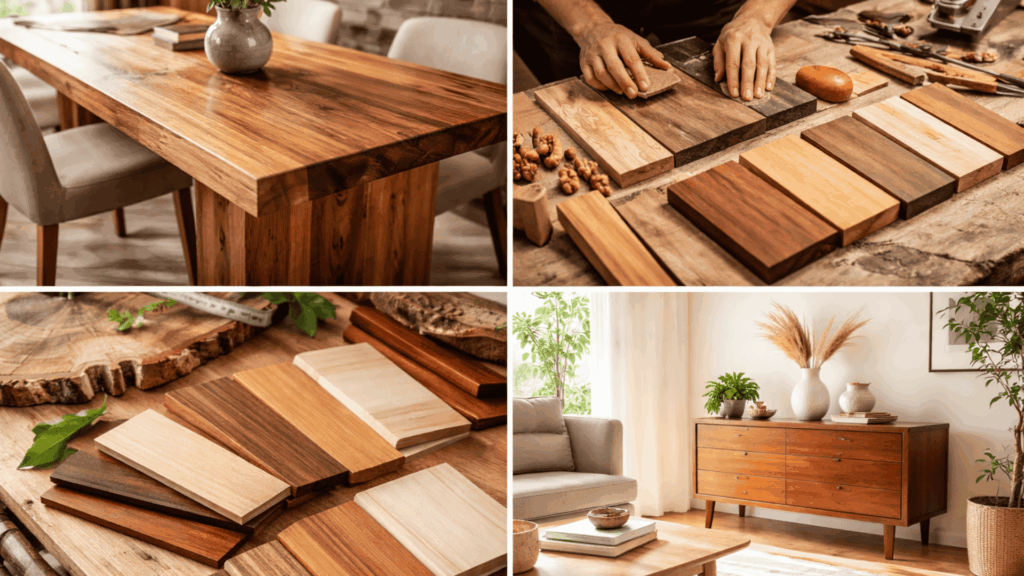
Choosing the right wood for your furniture can feel overwhelming with so many options out there.
Whether you’re after something sturdy for high-traffic areas or a softer wood for a casual piece, the material you choose plays a huge role in how your furniture looks and lasts.
From the rich grace of walnut to the affordable charm of pine, each wood type has unique benefits.
In this blog, we’ll explore how to select the perfect wood based on durability, style, maintenance, and sustainability, so you can make an informed decision that suits your needs and space.
What Defines the Types of Wood for Furniture
The choice between hardwoods (such as oak and walnut) and softwoods (such as pine and cedar) is a significant factor in selecting the best types of wood for furniture.
Hardwoods are known for their durability and resistance to decay, making them ideal for long-lasting furniture, though they cost more.
Softwoods, on the other hand, are more affordable and easier to work with but tend to be softer and less resistant to wear.
Many hardwood doors today feature a veneer over MDF, a softwood product, providing a balance of quality and cost.
| Basis | Hardwood | Softwood |
|---|---|---|
| Cellulose | 42+2% | 45+2% |
| Hemicellulose | 27+2% | 30+5% |
| Lignin | 28+3% | 20+4% |
| Extractives | 3+2% | 5+3% |
These insights will help you make the right choice, whether you’re after durability or budget-friendly options for your next furniture project.
13 Popular Types of Wood for Furniture
Find the 13 most popular types of wood for furniture, each offering unique benefits. From durable hardwoods to versatile softwoods, find the perfect match for your home.
1. Oak
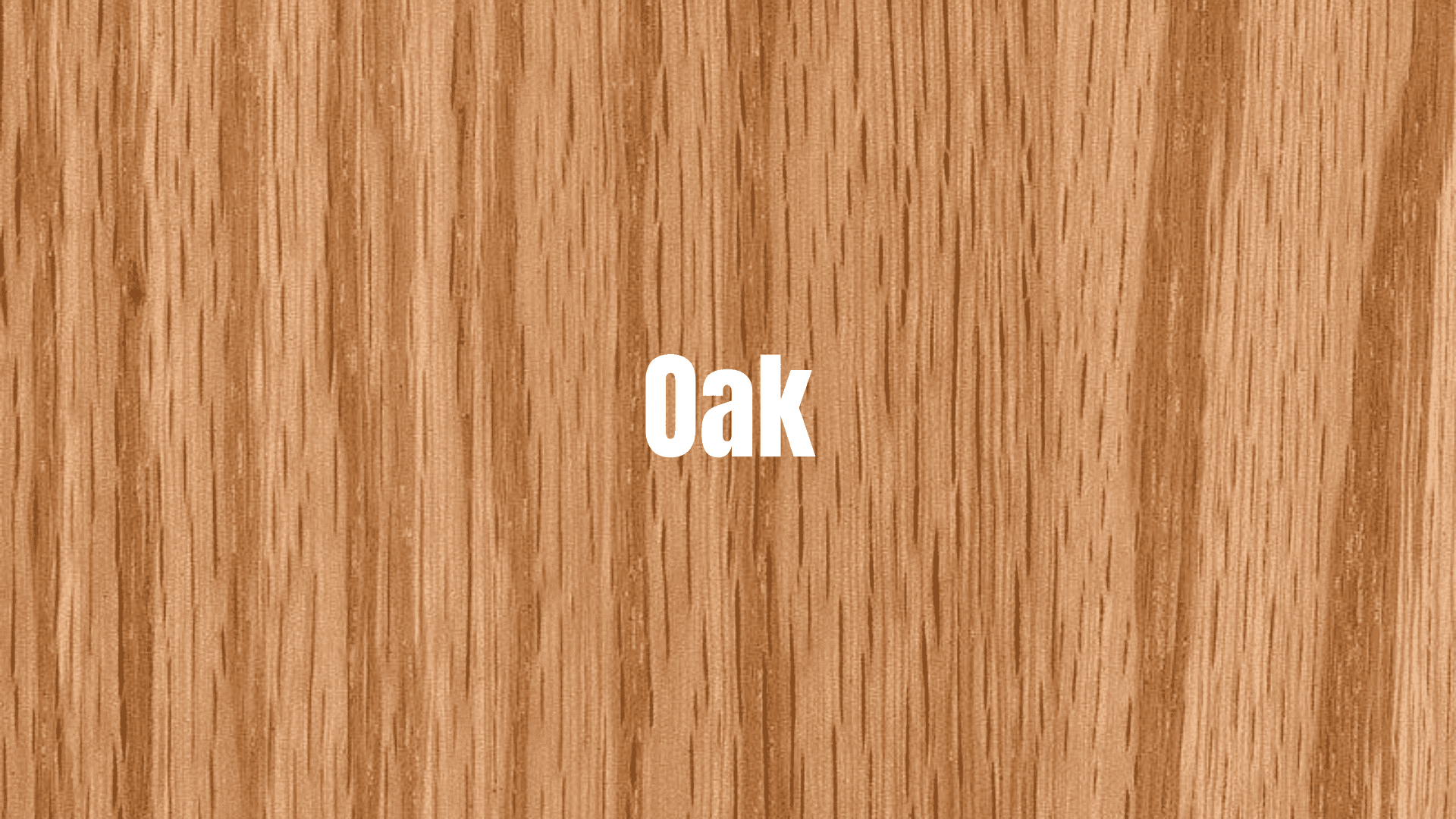
Oak is a strong, durable wood with a prominent grain, making it ideal for high-traffic furniture. Its resistance to wear ensures longevity, even with frequent use. Oak is commonly used for timeless, traditional furniture.
| Type | Hardwood |
|---|---|
| Uses | Tables, cabinets, chairs, and flooring |
| Benefits | Wear-resistant, strong, and easy to stain |
| Ideal For | High-traffic furniture, rustic and traditional styles |
2. Maple
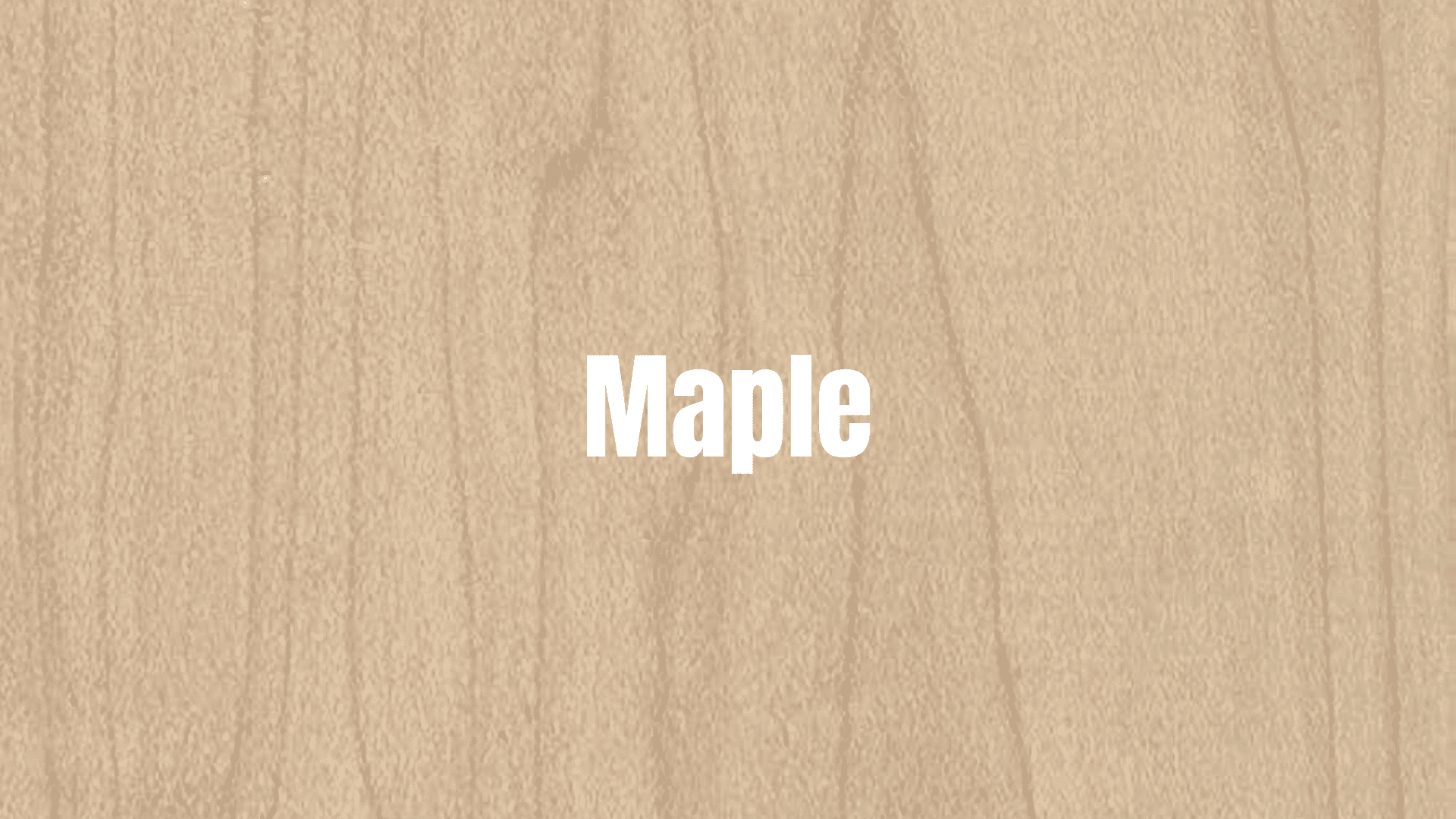
Maple is dense, smooth, and light-colored, often used in kitchen furniture due to its scratch-resistant surface. It’s versatile, takes stain well, and can be used in both contemporary and traditional designs.
| Type | Hardwood |
|---|---|
| Uses | Kitchen furniture, dressers, cutting boards |
| Benefits | Scratch-resistant, versatile, stain-friendly |
| Ideal For | Durable furniture, modern or contemporary designs |
3. Cherry
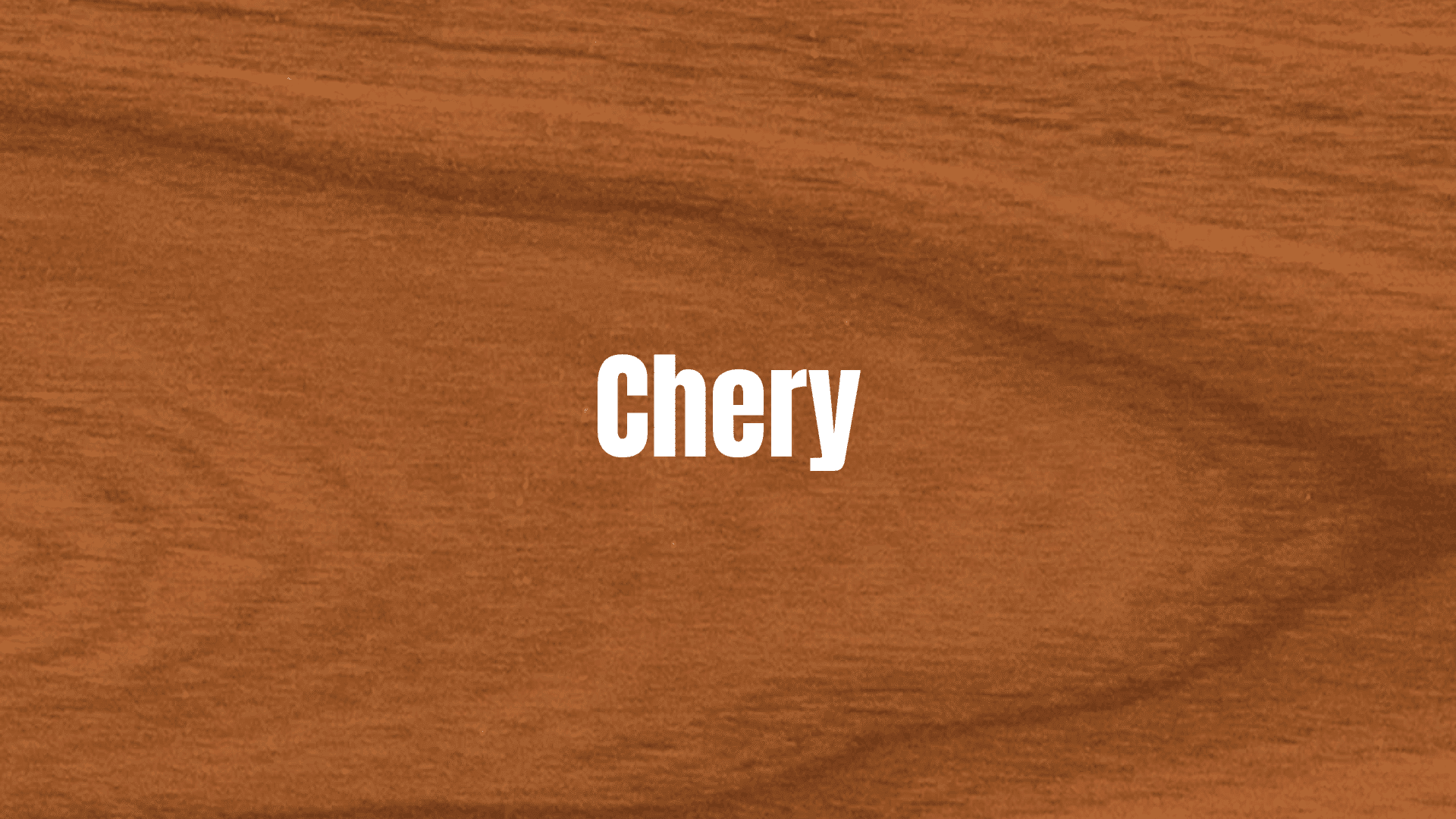
Cherry wood has a rich reddish-brown color that deepens over time. It’s perfect for formal furniture, as it develops a unique patina that adds to its grace and beauty. Cherry is often used for custom and heirloom pieces.
| Type | Hardwood |
|---|---|
| Uses | Formal furniture, cabinets, custom pieces |
| Benefits | Timeless look, durable, improves with age |
| Ideal For | High-end, heirloom furniture, classic designs |
4. Walnut

Walnut is a dark, luxurious wood with striking grain patterns, making it ideal for high-end furniture. It’s dense and durable, adding sophistication to both modern and traditional designs.
| Type | Hardwood |
|---|---|
| Uses | Luxury furniture, high-end cabinets, and décor |
| Benefits | Dense, durable, visually stunning |
| Ideal For | Elegant, premium furniture, decorative pieces |
5. Mahogany
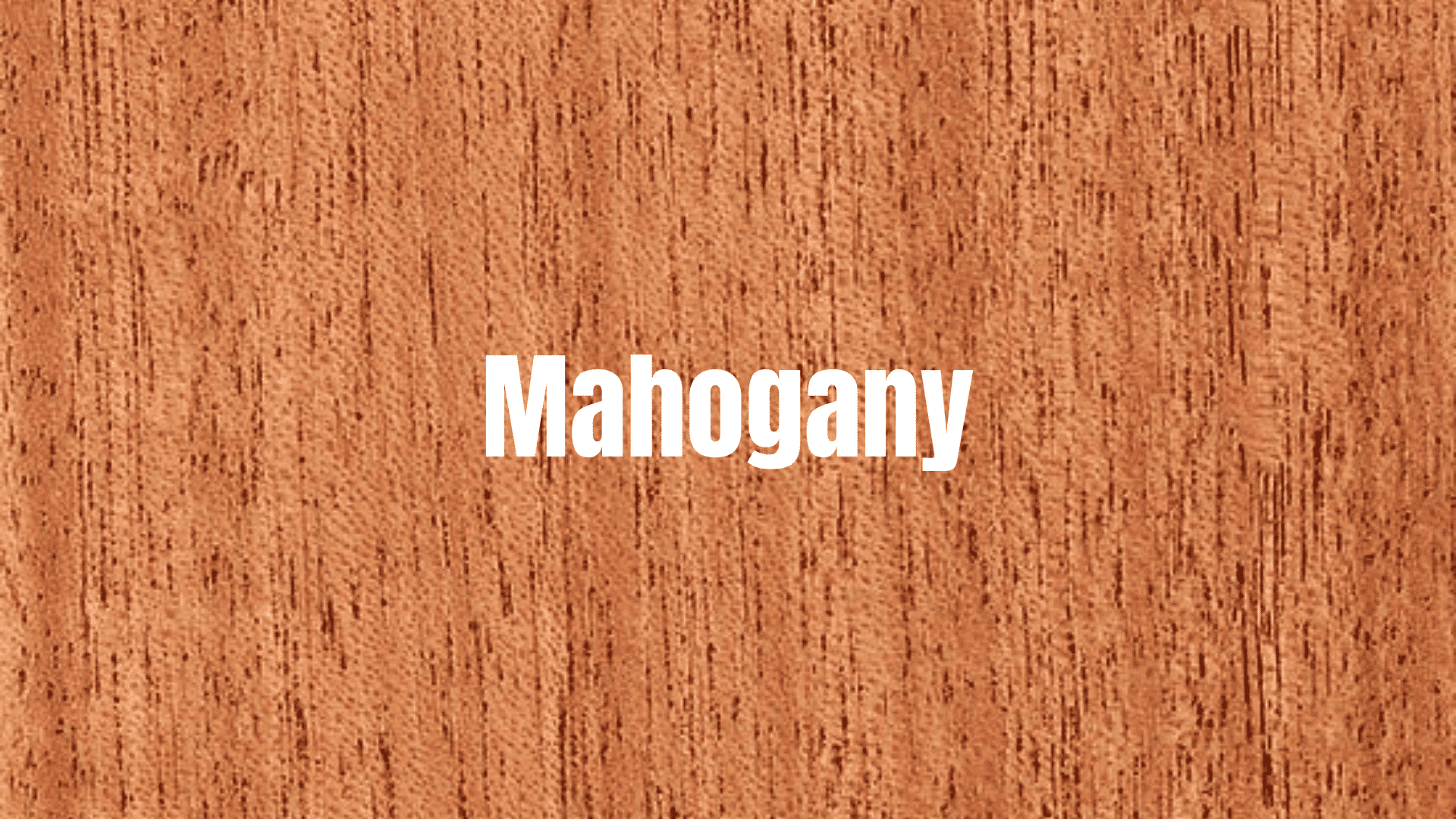
Mahogany is renowned for its deep reddish-brown color and fine grain. It’s often used in formal furniture and antique-style pieces, offering grace and durability. Mahogany brings a timeless charm to any space.
| Type | Hardwood |
|---|---|
| Uses | Formal furniture, antique-style pieces |
| Benefits | Elegant, long-lasting, timeless appearance |
| Ideal For | Traditional and formal furniture styles |
6. Ash
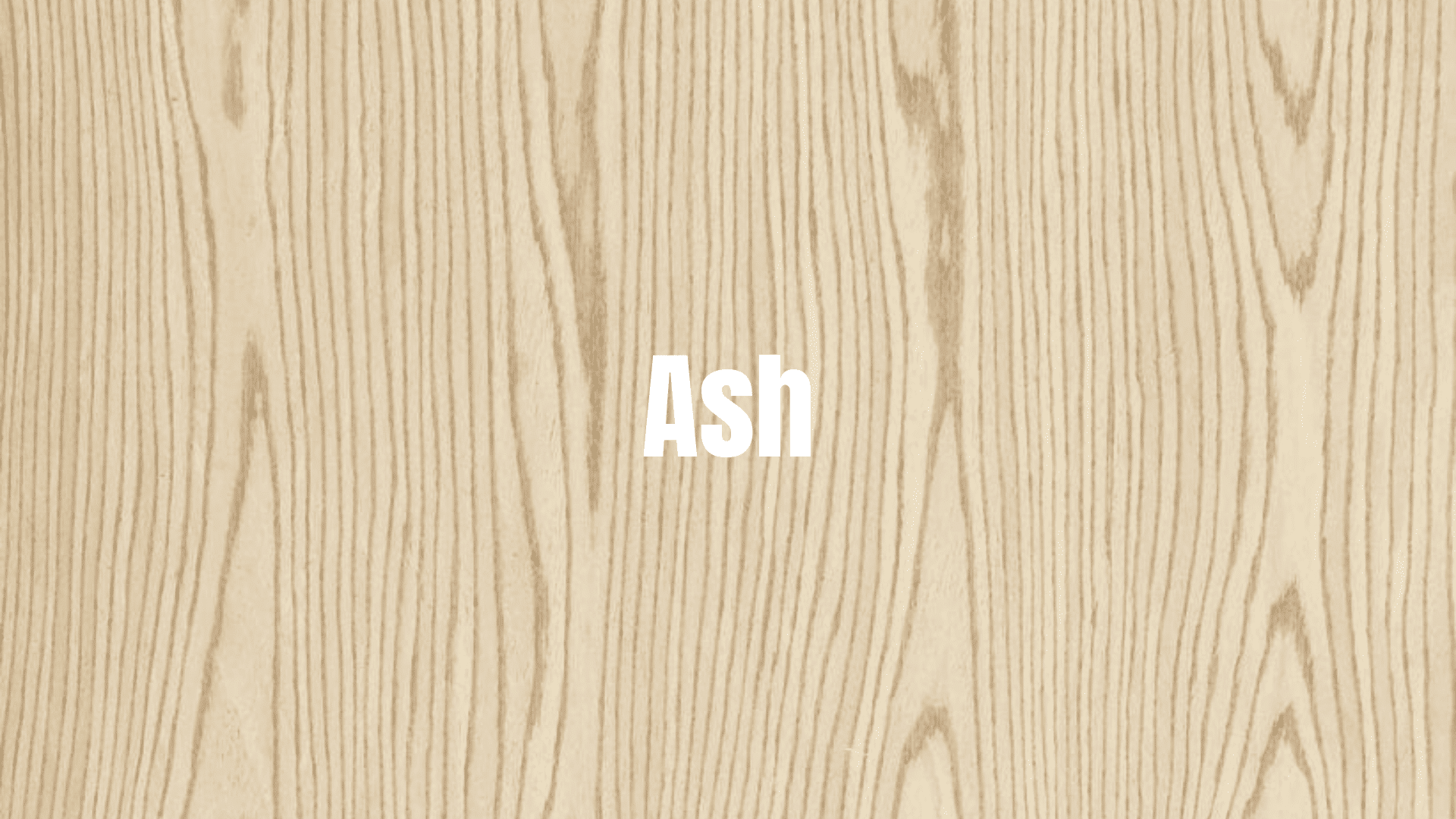
Ash is a light-colored wood with a straight grain, known for its flexibility and strength. It’s perfect for furniture that requires both durability and shape retention, such as chairs and tables.
| Type | Hardwood |
|---|---|
| Uses | Chairs, tables, frames, cabinetry |
| Benefits | Flexible, strong, takes stains well |
| Ideal For | Furniture requiring both flexibility and durability |
7. Teak
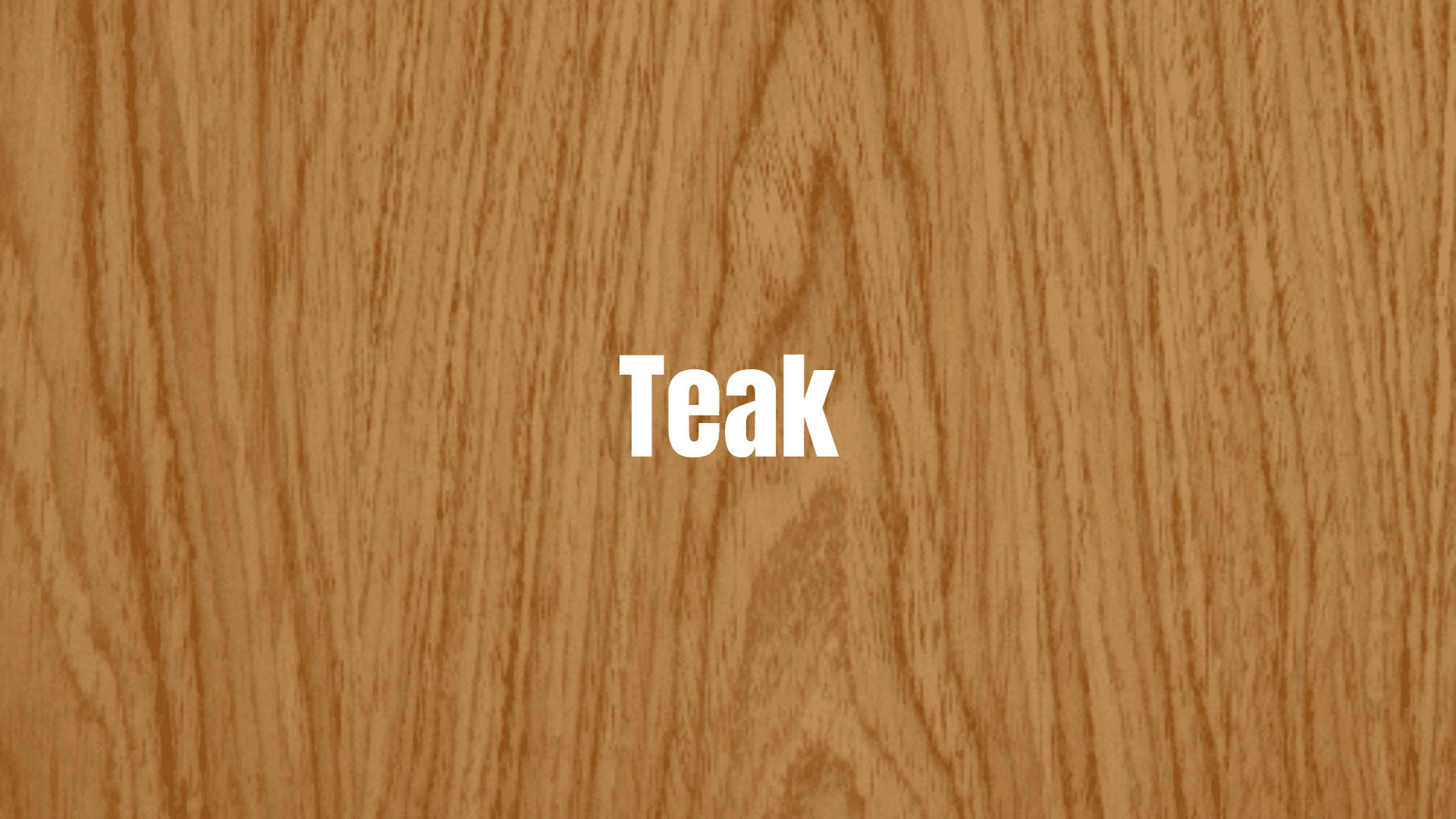
Teak is a golden-brown wood with a fine, uniform grain, perfect for outdoor furniture. It’s resistant to moisture, pests, and wear, making it ideal for garden furniture and patios.
| Type | Hardwood |
|---|---|
| Uses | Outdoor furniture, garden benches, patio sets |
| Benefits | Durable outdoors, resistant to moisture and pests |
| Ideal For | Garden and outdoor furniture, luxury outdoor pieces |
8. Pine
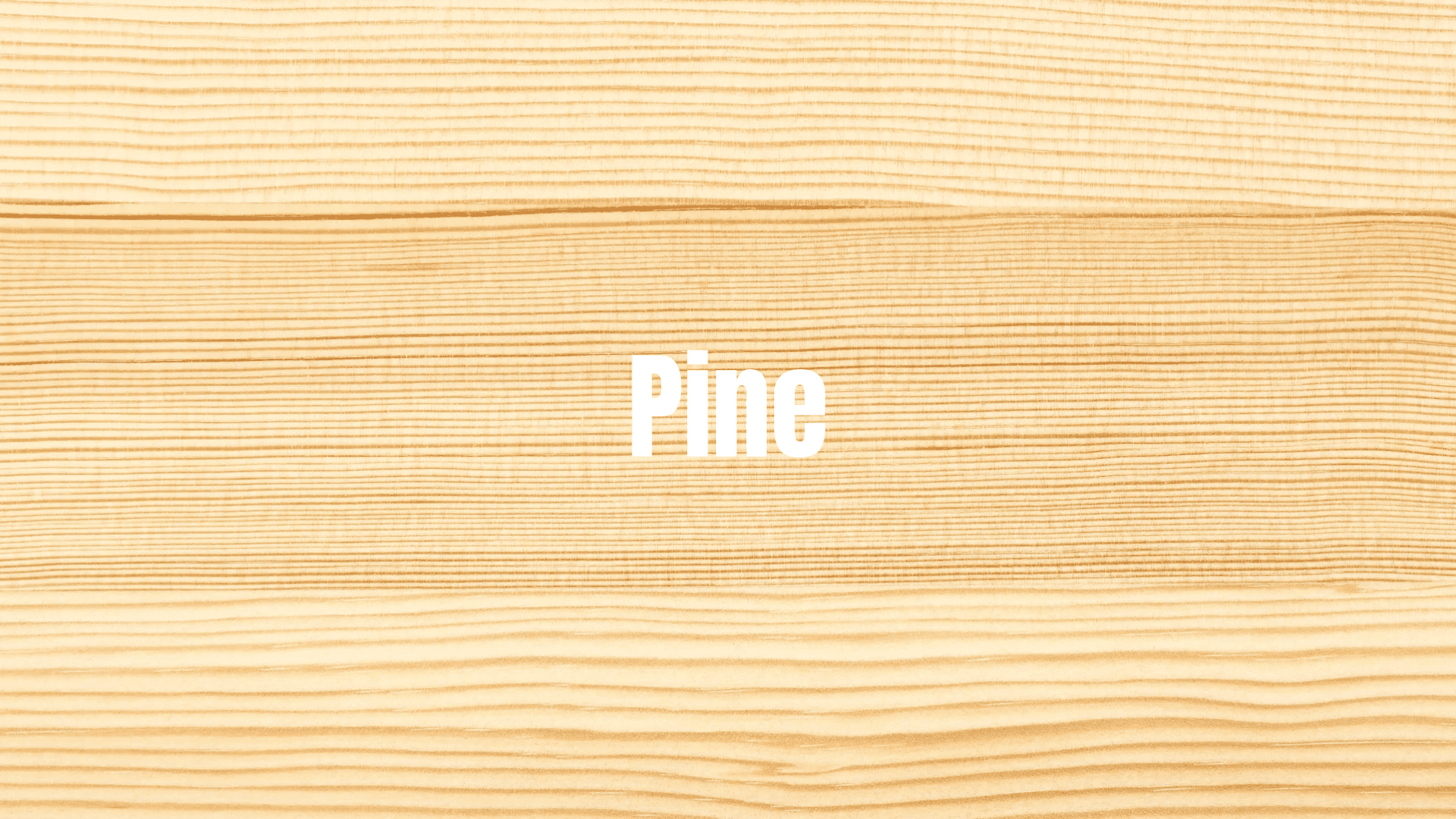
Pine is a soft, pale wood with a straight grain. It’s affordable and easy to work with, making it ideal for rustic and casual furniture. Pine is often used for shelves, desks, and other light furniture.
| Type | Softwood |
|---|---|
| Uses | Casual furniture, rustic designs, and shelves |
| Benefits | Affordable, simple to shape, lightweight |
| Ideal For | Budget-friendly furniture, farmhouse styles |
9. Cedar
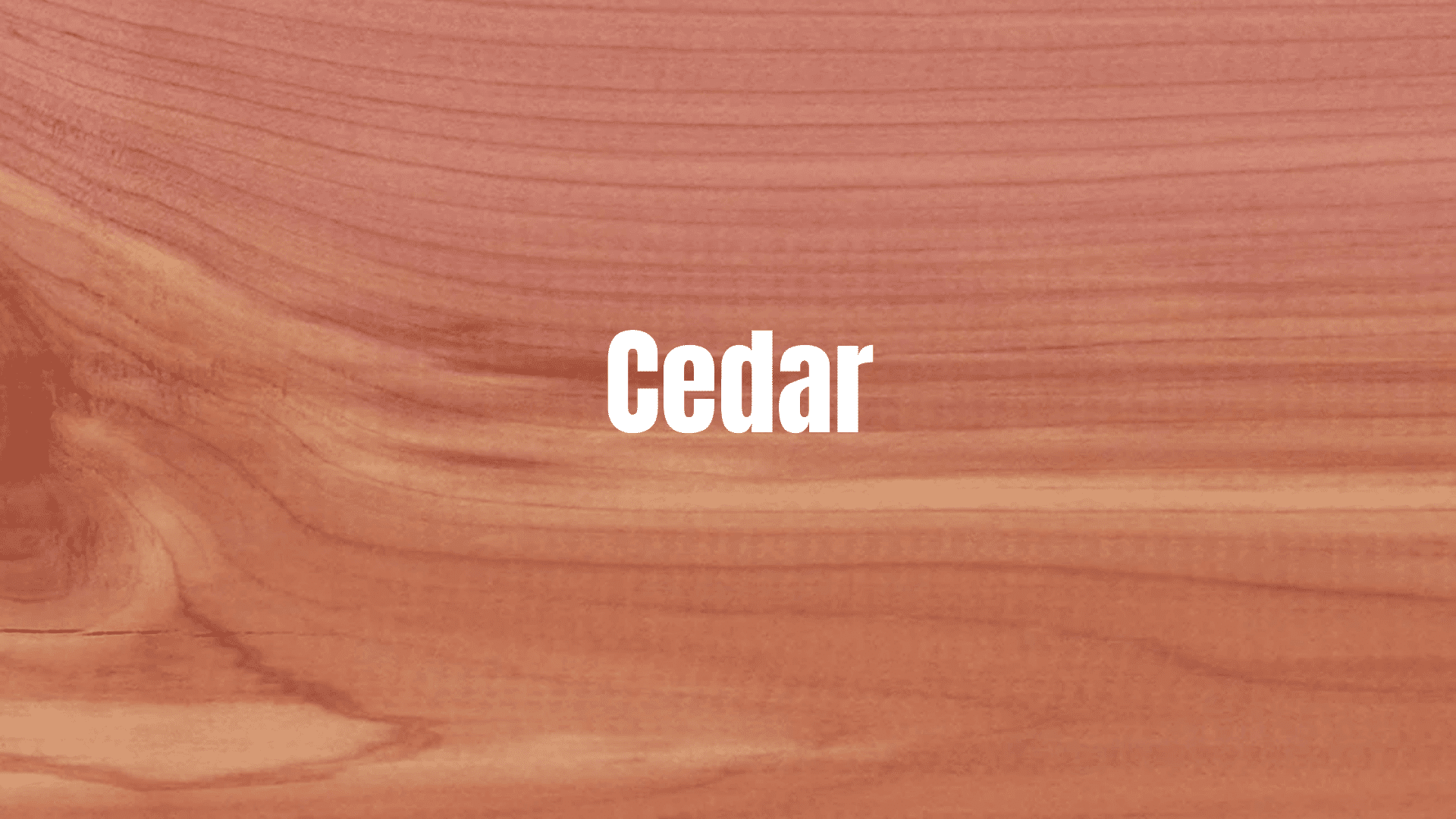
Cedar’s aromatic reddish-brown wood is naturally resistant to insects and moisture, making it an excellent choice for closets, storage chests, and outdoor furniture. It provides both functional and aesthetic value.
| Type | Softwood |
|---|---|
| Uses | Closets, storage chests, outdoor furniture |
| Benefits | Moisture-resistant, insect-repellent |
| Ideal For | Storage solutions, outdoor furniture, rustic décor |
10. Birch
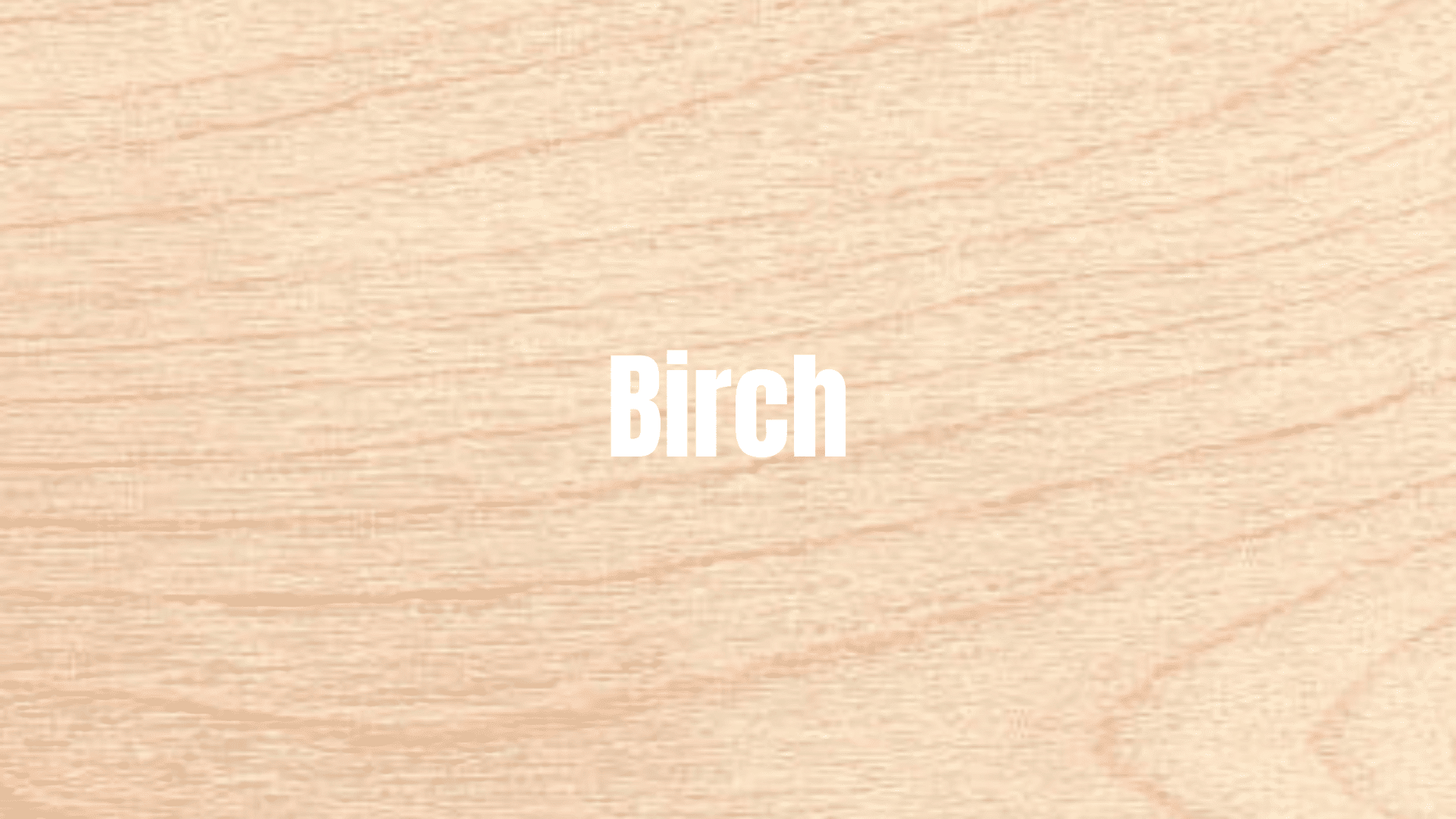
Birch has a pale yellowish-white color and a smooth texture, offering a clean, light look. It’s durable and resists stains, making it perfect for light, modern furniture designs.
| Type | Hardwood |
|---|---|
| Uses | Bookshelves, children’s furniture, light furniture |
| Benefits | Durable, easy to stain, ideal for light furniture |
| Ideal For | Light-colored furniture, modern and functional designs |
11. Poplar
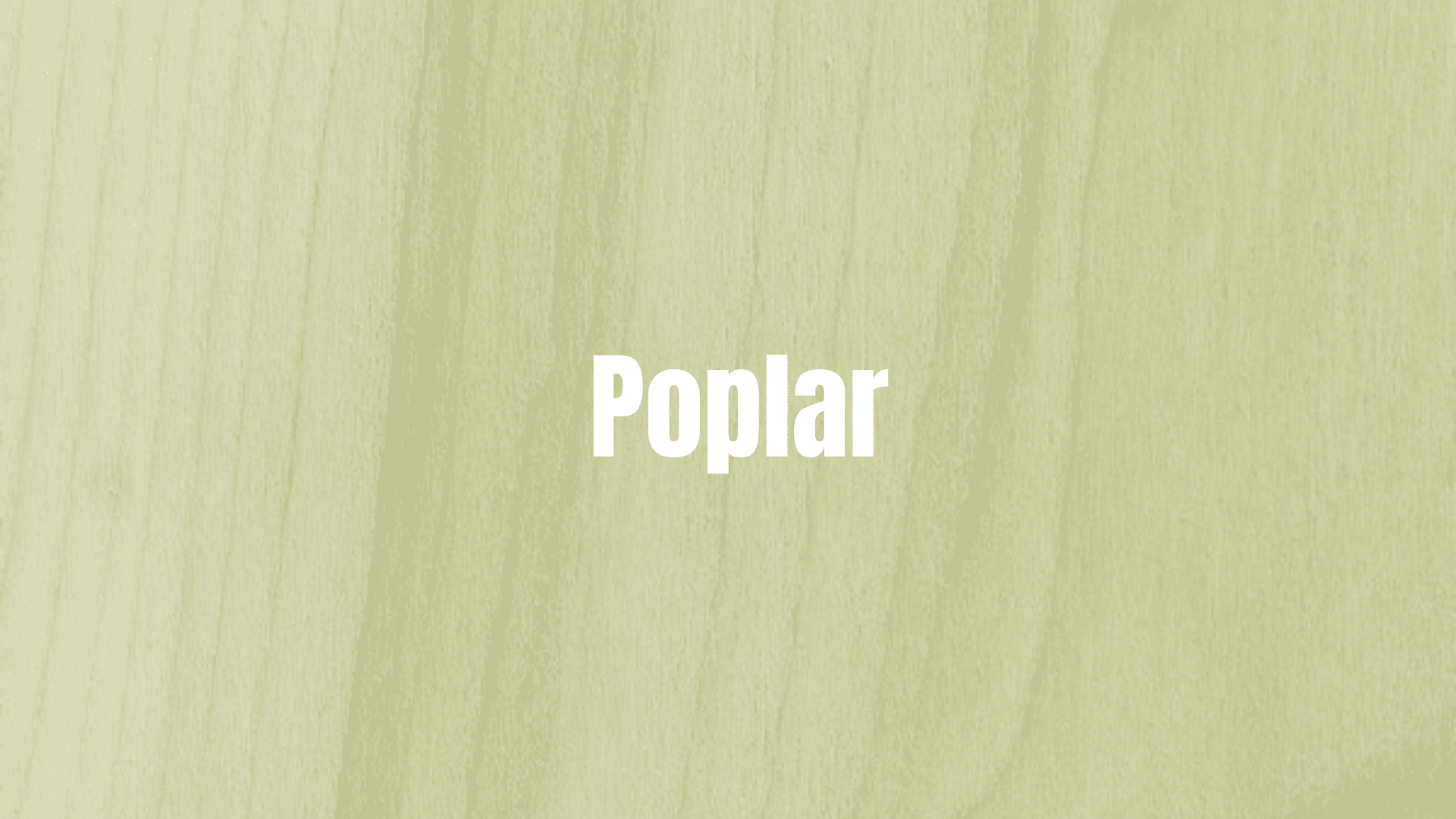
Poplar is a light, soft wood that is easy to shape and is often used for furniture frames and painted pieces. While not as durable as hardwoods, it’s a great option for budget-friendly projects.
| Type | Softwood |
|---|---|
| Uses | Furniture frames, cabinets, and painted furniture |
| Benefits | Cost-effective, easy to work with, lightweight |
| Ideal For | Budget projects, painted furniture, frames |
12. Rubberwood
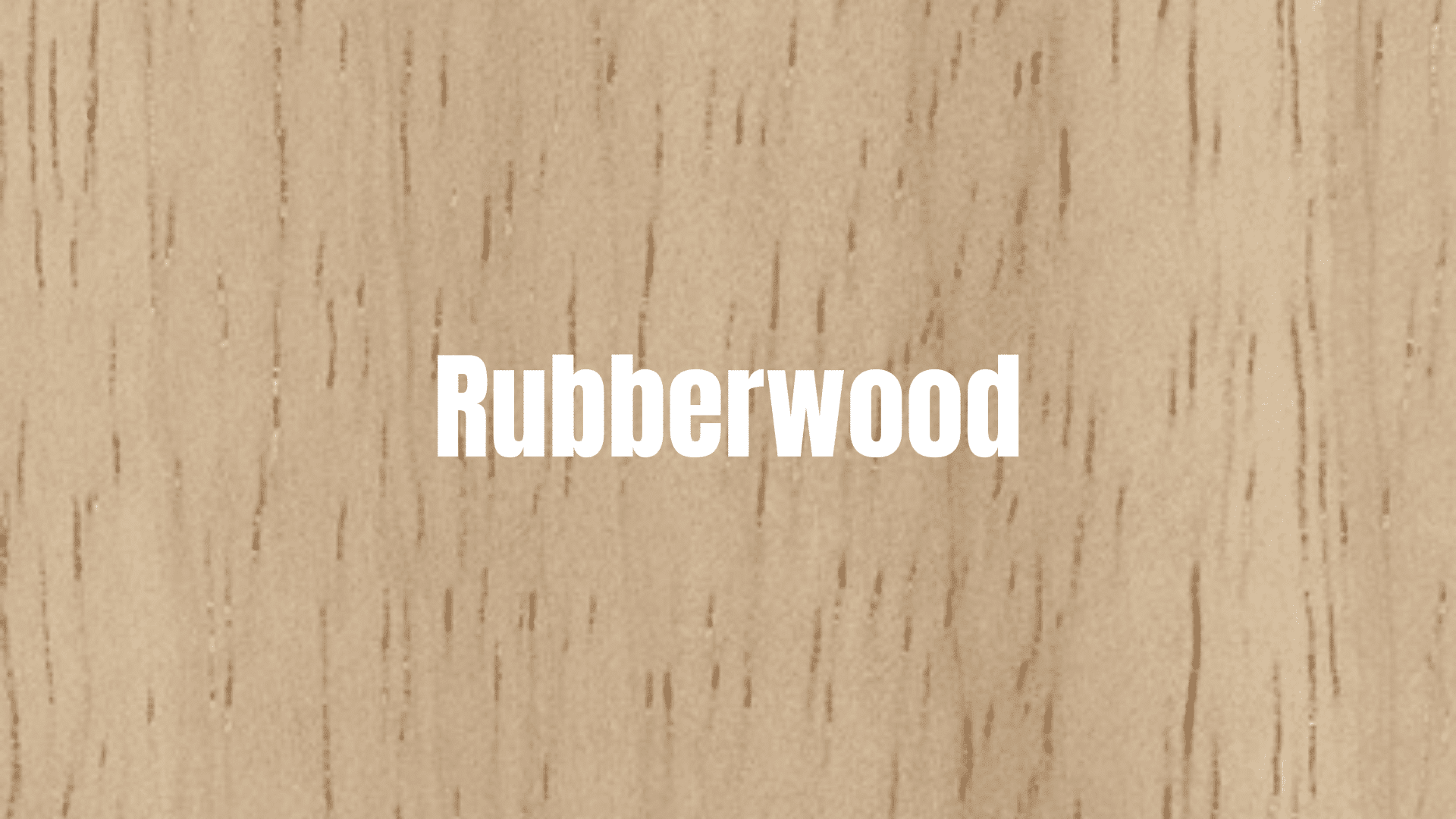
Rubberwood is light-colored with a moderate grain and is often used in eco-friendly furniture production. It’s durable and affordable, making it perfect for tables and chairs.
| Type | Hardwood |
|---|---|
| Uses | Tables, chairs, and affordable furniture |
| Benefits | Durable, sustainable, affordable |
| Ideal For | Affordable, eco-friendly furniture |
13. Mango Wood
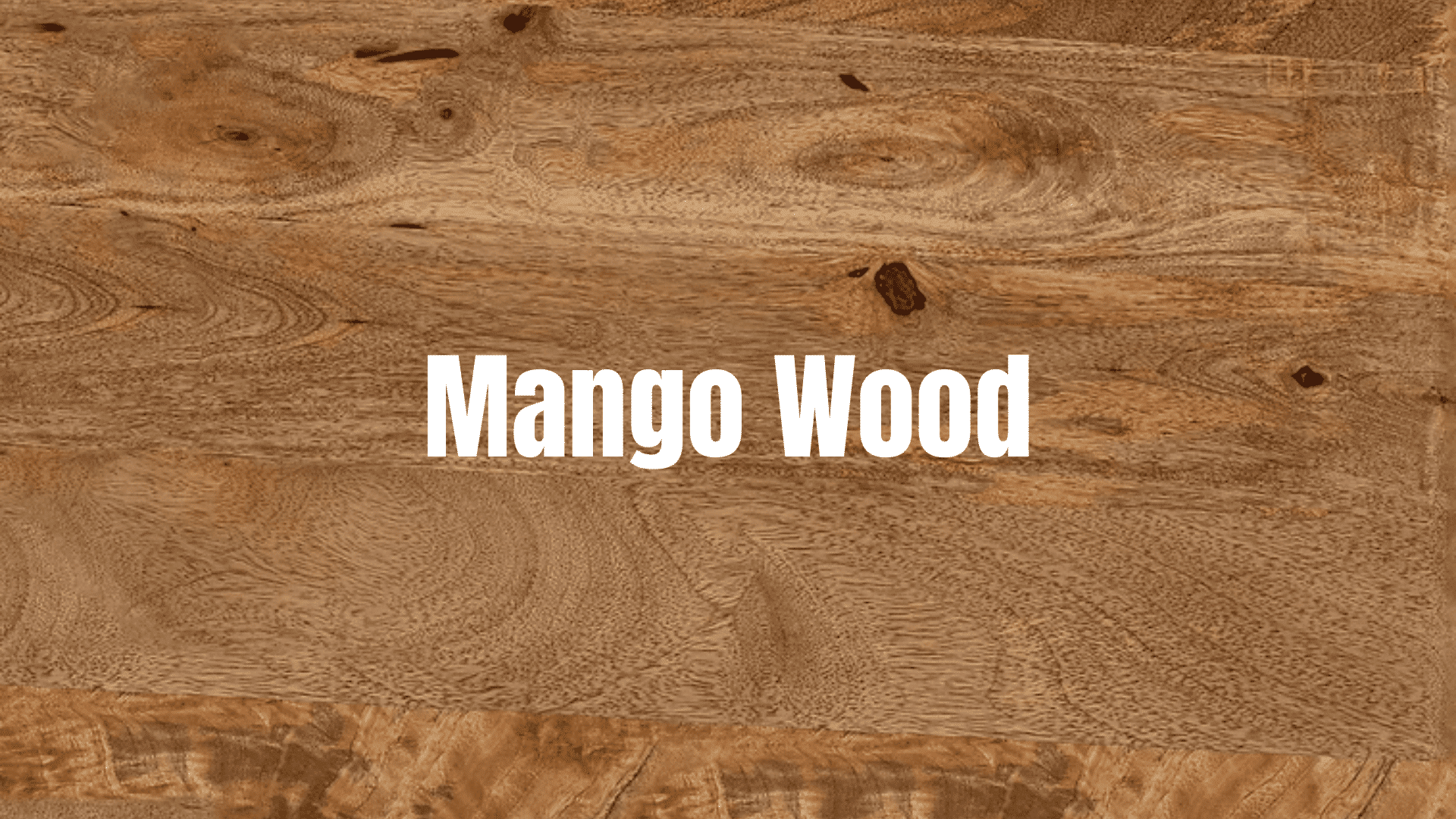
Mango wood features a rich grain with shades ranging from yellow to brown, adding warmth and character to furniture. It’s a sustainable choice commonly used for rustic and handmade furniture.
| Type | Hardwood |
|---|---|
| Uses | Rustic furniture, décor items, and carvings |
| Benefits | Sustainable, unique aesthetic, affordable |
| Ideal For | Rustic, handmade designs, decorative furniture |
How to Care for and Maintain Your Wood Furniture
Taking proper care of your wood furniture ensures its longevity and beauty. Here are some essential care and maintenance tips to keep your pieces looking their best.
- Regular Cleaning: Dust your furniture regularly with a soft cloth to prevent dirt buildup and avoid scratches.
- Use Wood-Specific Cleaners: For deeper cleaning, use cleaners made specifically for the wood type to maintain its finish.
- Apply the Right Finish: A good finish, like polyurethane or lacquer, protects wood from moisture and scratches while enhancing its appearance.
- Moisture Control: Avoid placing furniture in direct sunlight or areas of high humidity, as moisture can cause wood to warp or crack.
- Seasonal Care: During seasonal changes, monitor humidity levels, as wood expands and contracts with moisture, which can affect its shape.
How to Choose the Right Wood for Furniture?
When selecting the right wood for furniture, consider durability, aesthetics, maintenance, and sustainability.
Hardwoods such as oak and walnut are ideal for high-traffic areas, while softer woods like pine are better for lighter use.
Choose wood that complements your space, with options like cherry and walnut for polish or maple and ash for a modern touch.
Woods like teak and mahogany require less maintenance due to their natural oils, while others may need regular care.
For eco-conscious choices, opt for sustainably sourced or reclaimed wood, such as rubberwood and mango wood.
Summing It Up
When choosing the right wood for your furniture, understanding the differences in durability, appearance, and maintenance requirements can make all the difference.
Whether you opt for the timeless strength of oak or the sustainable appeal of mango wood, choosing the right material ensures your furniture not only fits your style but also lasts for years.
Now that you’re armed with the knowledge of the best wood types for different needs, it’s time to make your choice. Ready to change your space?
Explore our selection of high-quality wood furniture today and find the perfect match for your home!