

Your child just rolled their eyes at you. Again.
They talked back when you asked them to clean their room. You feel dismissed, frustrated, and honestly, a bit hurt. Is this a normal teenage attitude, or something more serious?
Many parents struggle to tell the difference between typical defiance and actual disrespect. The line gets blurry, especially when emotions run high in daily family life.
In this guide, we’ll explore what respect truly means in parenting, identify specific behavioral patterns to watch for, understand the psychological factors behind disrespectful behavior, and learn practical strategies to rebuild mutual respect in your home.
Let’s get into it.
What Respect Really Means in Parenting?
Respect in parenting goes beyond obedience; it’s about clear communication, empathy, setting healthy boundaries, and active listening.
It involves treating your child as an individual with thoughts and feelings, while also guiding them with consistent expectations.
Disrespect is often an intentional disregard for authority, while defiance can stem from a child seeking independence.
According to Haim Ginott, effective communication in parenting involves expressing your own feelings and needs while also listening to and respecting your child’s perspective, fostering mutual understanding and trust.
8 Signs Your Child Doesn’t Respect You
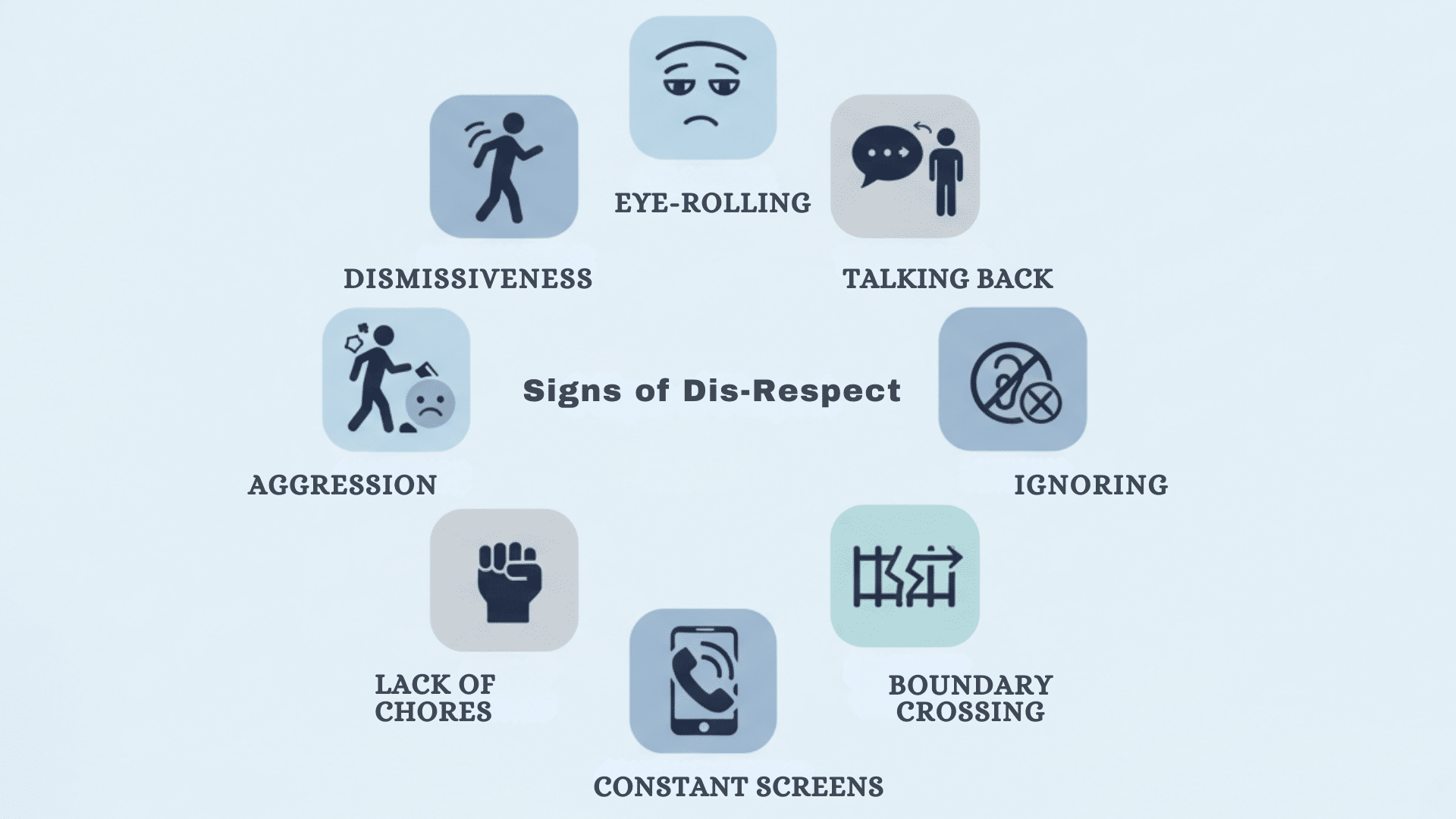
As you begin to notice that your child doesn’t respect you, it’s important to understand the specific behaviors that can indicate deeper issues. These behaviors, while challenging, can often be managed with consistent parenting strategies.
1 Defiance and Ignoring Rules
When a child regularly ignores rules or requests, like skipping chores, defying screen time limits, or avoiding bedtime, it’s a sign of a lack of respect for authority.
This behavior, if left unchecked, can lead to further challenges in maintaining boundaries and family harmony.
2. Talking Back and Argumentative Responses
Rude language, sarcasm, and open challenges to authority can indicate a lack of respect.
If a child often argues or talks back instead of listening, it can disrupt the flow of communication and create tension within the household.
3. Eye-Rolling, Mocking, and Dismissive Gestures
Subtle gestures, like eye-rolling or mocking, are often overlooked but show disrespect. These actions can signal that your child doesn’t take your authority seriously and may make it harder to maintain a positive relationship.
4. Disregard for Parental Feelings
Ignoring or laughing at your emotional expressions can be a sign of disrespect. A child who disregards how you feel is undermining emotional trust and the mutual respect that should exist in a healthy relationship.
5. Lack of Accountability
When a child avoids taking responsibility for their actions, it signals a deeper issue with respect. Refusing to apologize or blaming others can damage trust and create a sense of imbalance in the parent-child relationship.
6. Boundary Violations
Repeatedly crossing personal boundaries, like entering your room without permission, can show disrespect. Healthy boundaries are key to any relationship, and ignoring them can indicate that your authority isn’t being fully acknowledged.
7. Frequent Interruptions or Talking Over You
Interrupting or talking over you frequently can signal that your child is not respecting your need to be heard. This behavior can lead to frustration and a breakdown in communication if not addressed properly.
8 Refusal to Follow Instructions in Public
If your child refuses to follow instructions in public or acts out in social settings, it can be a sign that the respect you’ve established at home isn’t being upheld elsewhere.
Addressing this behavior promptly can prevent embarrassment and reinforce the importance of respect.
Signs Your Child Is Scared of You
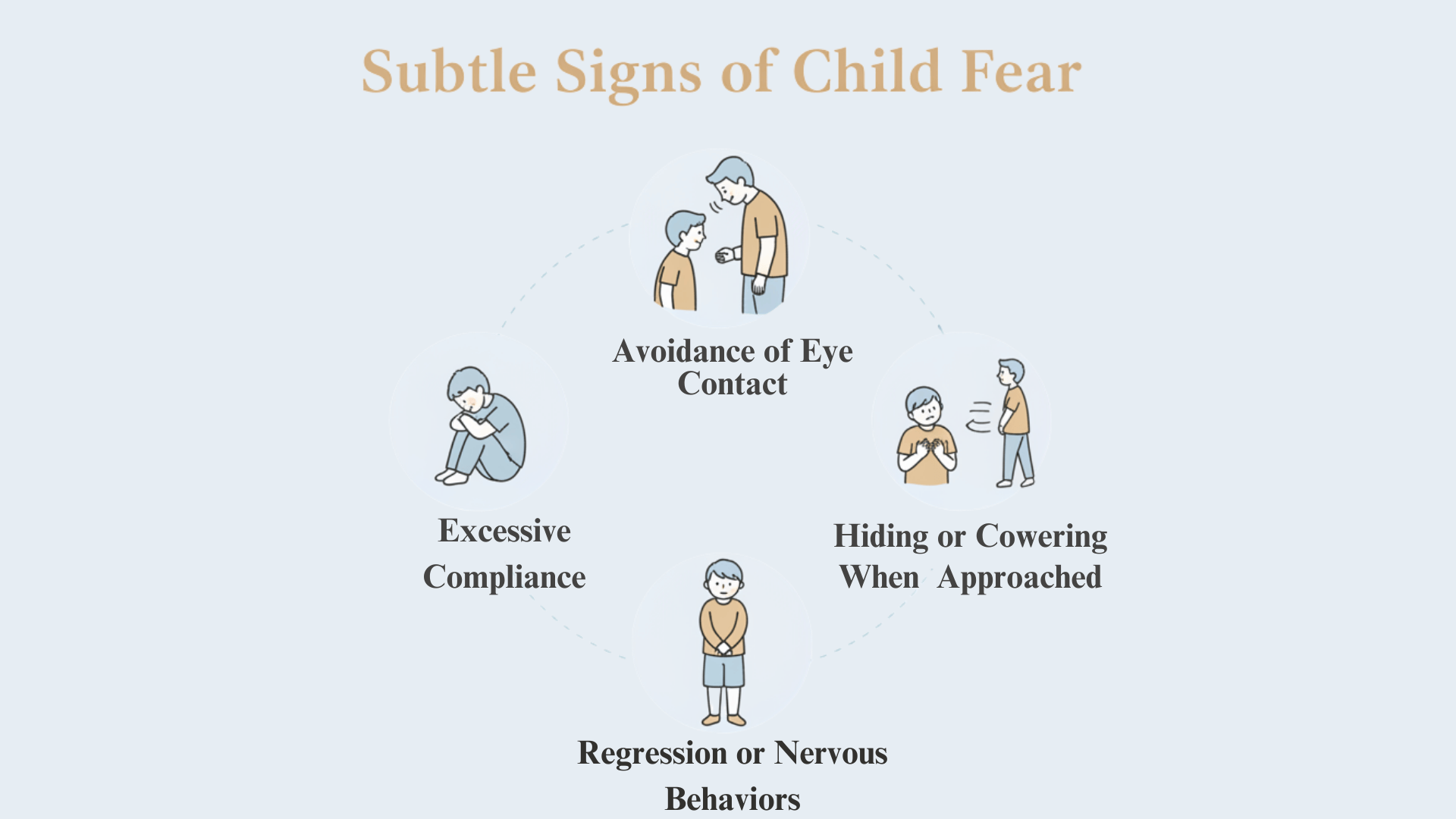
Recognizing that your child is scared of you can help you understand the underlying emotions affecting their behavior.
- Avoidance of Eye Contact: If your child avoids making eye contact when speaking to you, it may signal fear or discomfort. This is a common response when a child feels intimidated or nervous around a parent.
- Hiding or Cowering When You Approach: Children who hide or cower when you approach may be scared of your reaction. This behavior often reflects anxiety or fear of punishment.
- Regression or Nervous Behaviors: When a child reverts to behaviors from an earlier age, such as thumb-sucking or clinging, it can indicate fear or emotional stress. These regression behaviors are often linked to feeling unsafe or insecure.
- Excessive Compliance: An overly compliant child may be trying to avoid conflict, often at the cost of their own feelings. Excessive obedience can be a sign of fear rather than respect.
- Emotional Shutdown or Extreme Sensitivity: If your child shuts down emotionally or becomes overly sensitive, it could be a sign that they are fearful of your reactions.
These behaviors reflect emotional distress that could stem from fear and should be addressed with compassion and open communication.
Psychological & Developmental Factors Behind These Behaviors
Understanding the difference between normal defiance and persistent disrespect helps you respond appropriately.
All children push boundaries during certain ages, especially toddlers and teenagers, as they test independence. However, when signs your child doesn’t respect you continue despite consistent parenting, deeper issues might be at play.
Children with insecure attachment styles struggle with trust and connection, which shows up as clingy yet disrespectful behavior or emotional distance.
Underlying fear, anxiety, or past experiences like divorce or trauma can make disrespect a defense mechanism. Recognizing these psychological factors helps you address the root cause instead of just the symptoms.
Parenting Mistakes That Destroy Mutual Respect
Even well-meaning parents can accidentally make signs that your child doesn’t respect you. Avoiding these common mistakes helps you respond more effectively:
| Mistake | Why It Backfires |
|---|---|
| Blaming Yourself or Your Child Excessively | Creates shame instead of solutions, damages self-esteem for both |
| Ignoring Emotional Cues | Unaddressed emotions build up and come out as disrespect later |
| Overly Strict or Inconsistent Discipline | Confuses children about expectations, making them test limits more |
How to Address the Issue and Rebuild Respect

When you notice signs your child doesn’t respect you, addressing it with both firmness and compassion matters. Here are practical strategies to rebuild respect in your relationship:
- Set Clear and Consistent Boundaries. Children need to know exactly what you expect and what happens when they cross lines, so establish rules and follow through every time.
- Use Positive Discipline. Focus on teaching rather than punishing by explaining consequences, reinforcing good behavior with praise, and helping them understand why respect matters.
- Model Respectful Behavior. Children copy what they see, so speak kindly, listen when they talk, admit your mistakes, and show them what respectful communication looks like.
- Open Communication: Create a safe space where your child can share feelings without fear of judgment, which helps you understand what’s causing their behavior.
- Seek Professional Help if Needed. If disrespectful behavior continues despite your efforts, a family therapist or counselor can provide expert strategies tailored to your specific situation.
How to Set Up Healthy Boundaries with Teenagers?
Setting healthy boundaries with teenagers requires clarity and consistency. Define specific rules like curfew times, screen time limits, and household responsibilities.
For example, if you set a 10 PM bedtime on school nights, stick to it even when they argue. Explain why each boundary exists rather than just demanding obedience.
When your teen breaks a rule, follow through with the established consequence every time. Let them have input on some boundaries so they feel heard, but keep safety rules non-negotiable.
When you consistently enforce what you say, teenagers learn your words have meaning, which directly addresses signs your child doesn’t respect you.
Final Thoughts
Recognizing signs your child doesn’t respect you is the first step toward healthier family dynamics.
Remember, disrespect often stems from unmet needs, inconsistent boundaries, or developmental phases rather than intentional harm.
By setting clear expectations, modeling respectful behavior, and addressing underlying emotional issues with empathy, you can rebuild the connection with your child.
Change won’t happen overnight, but consistent effort pays off. If you’re struggling despite trying these strategies, don’t hesitate to seek professional support.
Every family faces challenges, and asking for help shows strength, not weakness. What’s one boundary you’ll set this week?
Share your thoughts in the comments below, and let’s support each other through the ups and downs of parenting.