
Most people pay attention to the grass when something starts going wrong with their lawn.
Maybe certain areas look thinner than they used to,maybe water sits on the surface after it rains or sometimes the grass just doesn’t seem to respond the way you expect, even after watering or fertilizing.
Homeowners often start looking into solutions like lawn aeration when these problems begin showing up, but the condition of the soil is often the real story behind what they’re seeing.
What often gets missed is that many lawn problems start below the surface.
The condition of the soil affects almost everything happening above it. Healthy soil helps grass develop stronger roots, absorb water more effectively and recover from stress more easily. When the soil isn’t in good shape, the lawn usually lets you know sooner or later.
Why Soil Matters More Than You Might Think
Grass depends on the soil for everything it needs to grow.
Water, nutrients and oxygen all have to move through the soil before roots can use them. When the soil becomes compacted or unhealthy, that process slows down.
The result isn’t always obvious right away. A lawn can look fine for a while before thin areas start showing up or growth becomes uneven.
This is one reason two lawns on the same street can receive similar care but perform very differently. The grass may be the same, but the soil conditions underneath can tell a completely different story.
What Happens When Soil Gets Compacted?
Compaction is one of the most common soil issues homeowners deal with.
It happens gradually from normal activity. Walking across the lawn, kids playing, pets running around and mowing equipment can all contribute over time. As the soil becomes more packed together, there is less room for water, air and roots.
You might notice water pooling after a storm. Some areas may dry out faster than others. Grass can start looking stressed during hot weather even when you’re keeping up with watering.
In many cases, the problem isn’t a lack of water. It’s that the roots can’t access what they need efficiently.
The longer a compacted lawn is left alone, the harder it becomes for grass to develop the deep root system that helps it handle seasonal stress.
Soil Health and Overseeding Success
Many homeowners consider overseeding when their lawn starts looking thin, patchy, or less dense than it once was. However, the success of overseeding depends heavily on the condition of the soil beneath the grass.
Even high-quality seed can struggle if the growing environment isn’t supporting healthy root development. New grass seed needs consistent moisture and good contact with the soil to germinate and establish roots.
If the soil is heavily compacted or covered by excessive thatch, some of that seed may never get the opportunity to develop properly.
That’s one reason homeowners sometimes assume overseeding wasn’t successful when the real issue is the growing environment underneath the seed. In many cases, the seed germinates, but poor soil conditions prevent new grass from developing the strong root system needed for long-term growth.
It’s also important to recognize that overseeding isn’t the right solution for every lawn. While it can be beneficial for many cool-season grass types, most warm-season grasses typically spread and recover through their existing growth habits rather than through additional seeding.
For those lawns, improving soil conditions and supporting healthy growth may provide better results than overseeding alone.
When soil conditions improve, seedlings that are appropriate for the lawn have a much better chance of surviving beyond the first few weeks. Over time, new growth can help fill thin areas, improve turf density, and create a more uniform appearance across the yard.
Where Lawn Aeration Fits In
One of the most effective ways to relieve compaction is through core aeration.
During core aeration, small plugs of soil are removed from the lawn. That creates openings that allow water, air and nutrients to move deeper into the root zone.
The process doesn’t transform a lawn overnight, but it helps create conditions that support healthier growth over time. Roots have more room to expand, and the soil is better able to absorb moisture instead of allowing it to run off the surface.
For cool-season grasses, aeration is also commonly performed before overseeding to improve seed-to-soil contact.
Signs Your Soil May Need Attention
You don’t need a soil test to notice that something may be off.
Some common signs include:
- Water pooling on the lawn after rain
- Grass that looks thin despite regular care
- Areas that wear down quickly from foot traffic
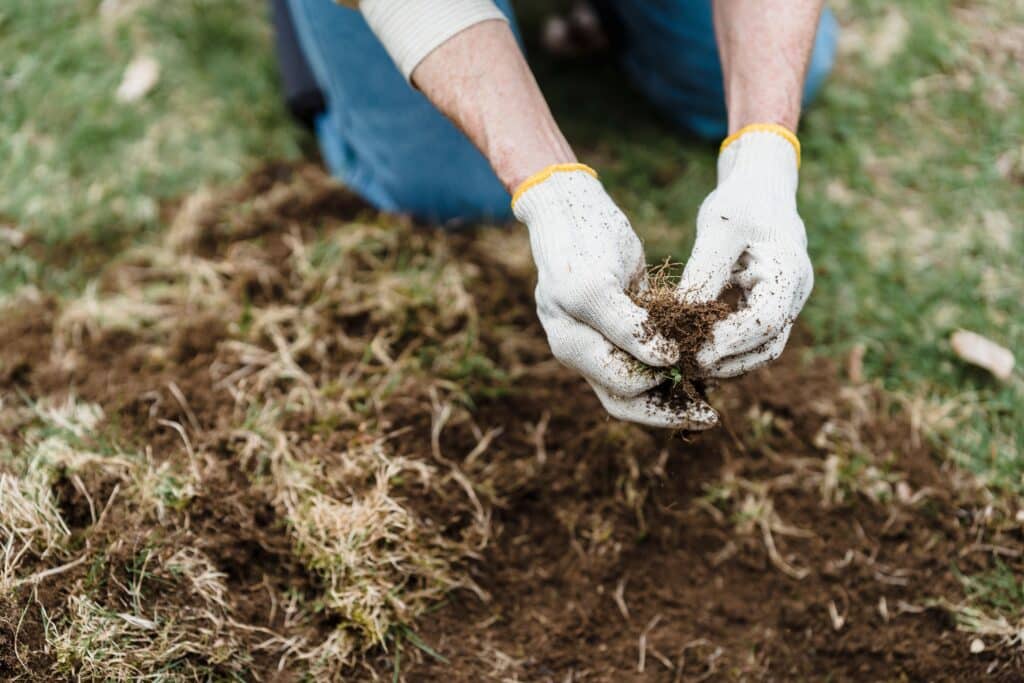
- Soil that feels unusually hard when you dig into it or walk on it
- Shallow root systems
- Uneven growth throughout the yard
Any one of these signs doesn’t automatically mean the soil is unhealthy, but seeing several of them together can point toward conditions below the surface that deserve attention.
Why Healthy Soil Makes Lawn Care Easier
Many lawn care practices focus on what happens above the soil line, mowing, watering, fertilizing and weed control. All of those things matter.
At the same time, healthy grass depends on healthy soil.
When the soil allows roots to grow deeply and access the resources they need, the lawn generally becomes thicker, stronger and better able to handle everyday stress.
Overseeding tends to be more successful, recovery improves and the lawn often requires less effort to maintain over time.
Healthy soil won’t solve every lawn problem on its own, but it often makes other lawn care practices more effective. Homeowners who spend time learning about taking care of your lawn often discover that many common issues trace back to conditions below the surface.
Water is absorbed more consistently, nutrients move through the soil more easily and grass is better equipped to compete against weeds and seasonal stress.
When homeowners understand the purpose of lawn aeration, they often realize that improving soil conditions can have a significant impact on overall lawn health.
Better airflow, water movement, and root access to nutrients create an environment where grass can grow more vigorously and consistently.
The grass is what people notice first. The soil is usually what determines how well that grass performs season after season.