
Bringing a baby home changes everything. There is the joy, the exhaustion, and a brand new sense of responsibility that can feel enormous in the quiet hours of the night.
Most parents spend months getting ready for the birth itself. Far fewer stop to think about how they would respond if their baby suddenly stopped breathing.
That gap is worth closing. Just as couples prepare for labor with childbirth classes, parents can prepare to care for their newborn by learning infant CPR. It is a skill you hope you never use, and one you will be deeply grateful to have if you ever do.
Preparing for Birth Is Only Half the Story
Expecting parents pour real energy into learning what happens during labor and delivery. They tour the hospital, pack the bag, and rehearse breathing techniques. All of that matters. But birth is one day. Caring for a fragile new human is every day after.
Infant emergencies are rare, and that is exactly why so few parents feel ready for them. A choking scare during a first taste of solid food, a sudden illness, or a moment when a baby goes limp and quiet can happen fast and without warning. Knowing what to do in those first minutes can make all the difference.
Infant CPR Is Not the Same as Adult CPR
Many people assume that CPR is CPR. It is not. A baby’s body is smaller, softer, and far more delicate than an adult’s, so the technique changes in ways that are easy to get wrong under pressure.
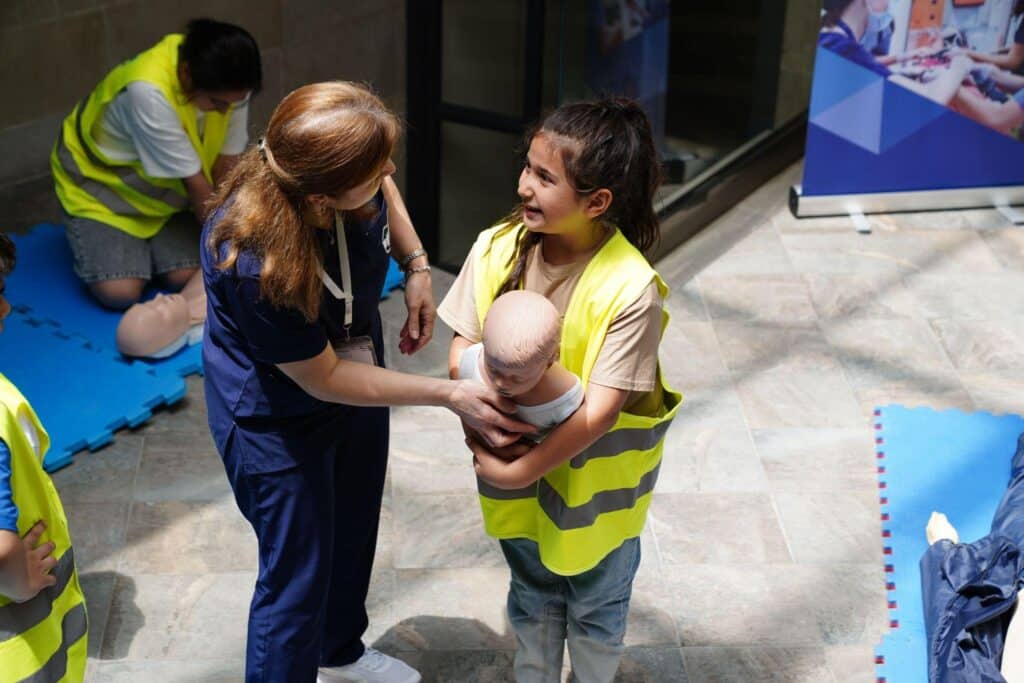
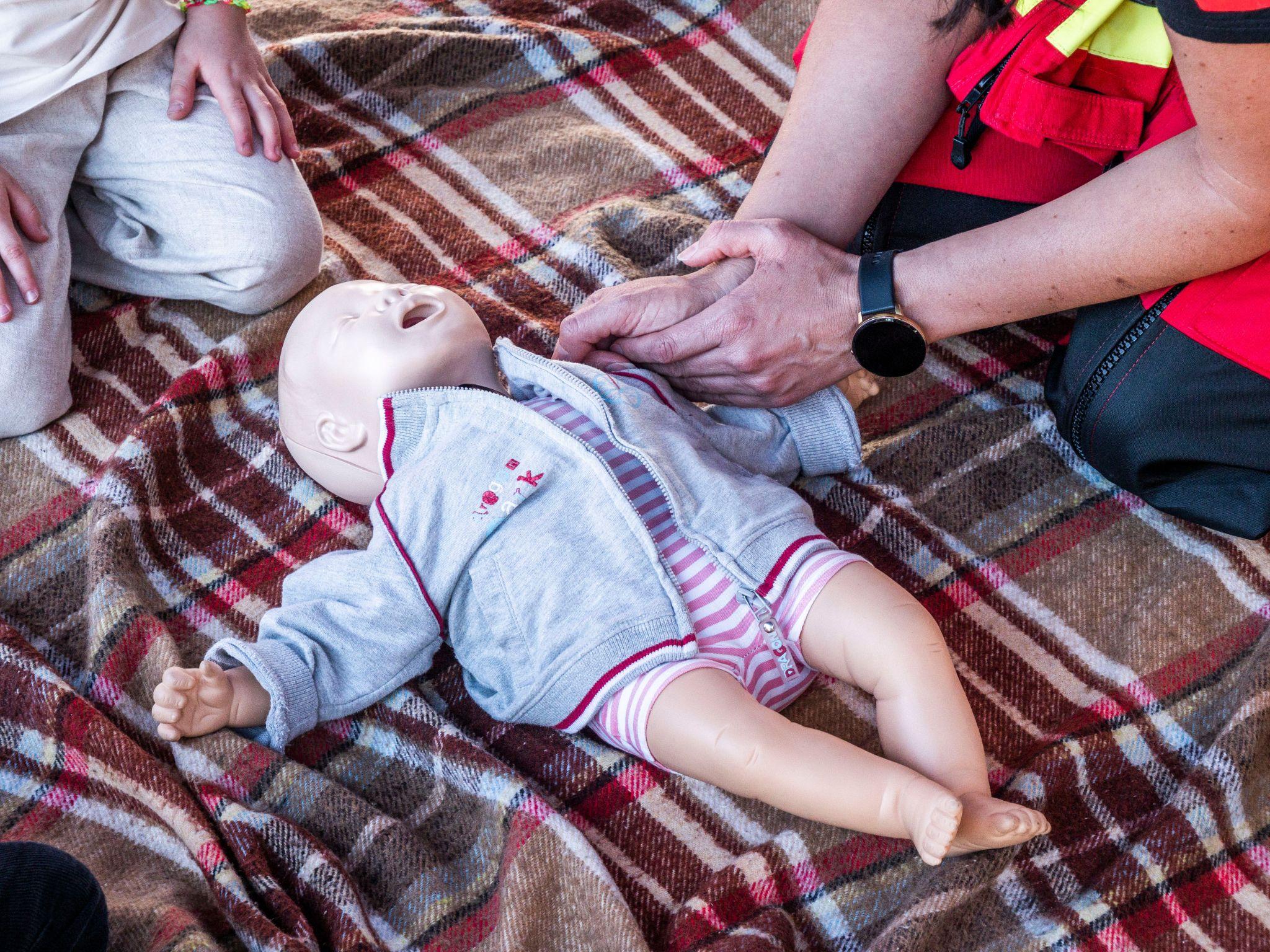
That is why hands on training matters so much. Many wellness centers and community programs now offer dedicated Infant CPR Classes where you practice on infant sized manikins while a trained instructor guides your hands and answers your questions in real time.
A few key differences you will learn include:
- Gentler chest compressions using two fingers or two thumbs rather than the heel of the hand
- Smaller, more careful rescue breaths
- A different approach for clearing an airway when a baby is choking
- How to recognize distress in a child who cannot tell you what is wrong
What You Actually Learn in a Class
A good infant CPR class does more than teach one set of steps. It builds the calm and the muscle memory that let you act instead of freeze.
Most classes cover:
- How to tell whether a baby is truly in distress
- Chest compressions and rescue breaths sized for an infant
- What to do when a baby is choking
- When and how to call for emergency help
- Basic newborn safety and everyday injury prevention
According to the American Red Cross, caring for a choking or unresponsive baby is different from adult care because a child’s body is still forming and far more compact. Practicing these steps ahead of time means your hands remember what to do even when your mind is racing.
It Is Not Just for Parents
One of the most valuable things about taking a class is that it does not have to stop with you. The people who spend time with your baby deserve to feel just as prepared.
Consider inviting:
- Partners and anyone else raising the baby
- Grandparents and other close relatives
- Nannies, babysitters, and daycare providers
- Older siblings who help out at home
When more people in a child’s life carry these skills, the whole family carries a little less quiet worry. If you are still setting up your space, our related guide on newborn home safety is a helpful next step for making your home ready before the baby arrives.
Confidence That Reaches Beyond the Nursery
Learning infant CPR does something subtle but powerful. It replaces the vague fear that lives in the back of every new parent’s mind with a clear plan. You stop imagining worst case moments and start feeling ready for them.
Just as couples prepare for labor and delivery through childbirth classes, families can build that same steady confidence for the days and years that follow.
For example, The Womb Room offers infant CPR alongside childbirth education for families who want to feel genuinely prepared and supported, not just informed.
A Small Commitment for Real Peace of Mind
Most infant CPR classes take only a few hours, and certification, where offered, is often valid for two years. Compared with the months families spend preparing for birth, it is a small commitment with an outsized payoff.
Even parents who never face an emergency describe the same quiet benefit. They sleep a little easier knowing they would know what to do.
Getting Started
If you are expecting or have recently welcomed a baby, adding an infant CPR class to your preparation list is one of the most practical gifts you can give your family.
Look for a class that includes real hands on practice rather than video only instruction, and bring along the people who help care for your child.
If you are exploring your options, look for a provider that offers a welcoming, supportive environment where every family feels seen and every question is welcome.