


Ask ten people what financial wellness means and you’ll probably hear a similar answer from most of them. Save consistently, avoid unnecessary debt, build an emergency fund, and prepare for retirement. Those habits are important, and few financial professionals would argue against them.
Yet there is an interesting contradiction hidden inside that definition. Many people who are doing all of those things still feel financially stressed. They save money every month but worry about the future.
They increase their income but don’t feel more secure. They hit financial milestones they once dreamed about, only to discover that the anxiety they expected to leave behind is still there.
This disconnect raises an important question. If financial wellness were simply about accumulating money, wouldn’t more people feel financially well once they reached their savings goals?
The reality is that financial wellness is often much broader than most people realize. Money plays a role, but the deeper issue is whether someone feels confident in their ability to navigate life, make decisions, and adapt when circumstances change.
When Saving Becomes the Goal Instead of the Tool
Saving money is one of the most valuable financial habits a person can develop, but problems sometimes arise when saving becomes the entire focus of a financial plan.
Many people spend years concentrating on accumulation without ever stepping back to ask what the money is ultimately intended to accomplish.
The objective becomes reaching a number rather than creating a life. As income grows, savings targets grow with it. What once felt like enough starts to feel insufficient, and the finish line continues moving farther away.
This pattern is more common than many people realize. Researchers who study financial behavior have long observed that people tend to adapt quickly to improved financial circumstances.
A higher income, a larger investment account, or a bigger emergency fund often provides temporary reassurance, but those feelings can fade surprisingly quickly as new concerns take their place.
That is why some of the most meaningful financial conversations are not centered on how much money a person has accumulated. Instead, they focus on what that money is helping them achieve.
Discussions around Retirement & Wealth planning often move in this direction because the conversation naturally expands beyond account balances and into questions about lifestyle, independence, family priorities, and long-term goals.
Saving remains important, but financial wellness becomes much easier to achieve when money is viewed as a tool rather than the destination itself.
The Difference Between Financial Success and Financial Confidence
One of the biggest misconceptions surrounding personal finance is the belief that confidence automatically follows financial success.
In practice, the relationship is not always that straightforward.
Some people reach major financial milestones and still hesitate when making decisions. Others have more modest resources but feel comfortable because they understand their situation and have a clear sense of direction.
The difference often has less to do with the amount of money available and more to do with the level of clarity surrounding it.
People who experience a stronger sense of financial wellness typically understand where they stand today, what risks they face, and what they’re working toward in the future.
They may not know exactly what the next decade will bring, but they have enough perspective to make decisions without constantly second-guessing themselves.
That confidence is valuable because life rarely follows a perfect financial plan. Unexpected expenses occur. Careers change. Families grow. Priorities evolve.
Financial wellness is not built on the assumption that nothing will go wrong. It is built on the belief that challenges can be managed when they do.
The Things Money Quietly Influences
Financial wellness is often discussed in terms of dollars and cents, but its effects reach much further.
Money influences career choices, relationships, health decisions, family planning, and even how people spend their time.
The ability to leave a job that is no longer a good fit, help a family member during a difficult period, take advantage of an unexpected opportunity, or retire comfortably often depends on years of financial preparation.
What makes this interesting is that people are rarely chasing money for its own sake. Most are pursuing what money represents. Security. Flexibility. Freedom. Options.
The financial decisions that create the greatest long-term value are often the ones that expand those options. Building savings matters because it creates flexibility. Investing matters because it creates future opportunities. Planning matters because it reduces uncertainty.
When viewed through that lens, financial wellness becomes less about wealth accumulation and more about creating a life with greater stability and choice.
A More Practical Way to Think About Financial Wellness
Organizations such as Marsh McLennan Agency are often involved in conversations around financial planning, retirement strategies, employee benefits, and long-term security because these areas frequently overlap.
Financial wellness is rarely the result of a single decision. Instead, it tends to develop through a combination of habits, planning, protection, and ongoing adjustments as life changes.
Perhaps the most useful definition of financial wellness is not having enough money to eliminate every concern. Very few people ever reach that point.
A more realistic goal is having enough clarity and preparation to make decisions with confidence, even when circumstances are less than perfect.
That perspective changes the conversation entirely. Instead of constantly asking whether a savings balance is large enough, people begin asking whether their finances are helping them live the kind of life they actually want.
A Better Question to Ask
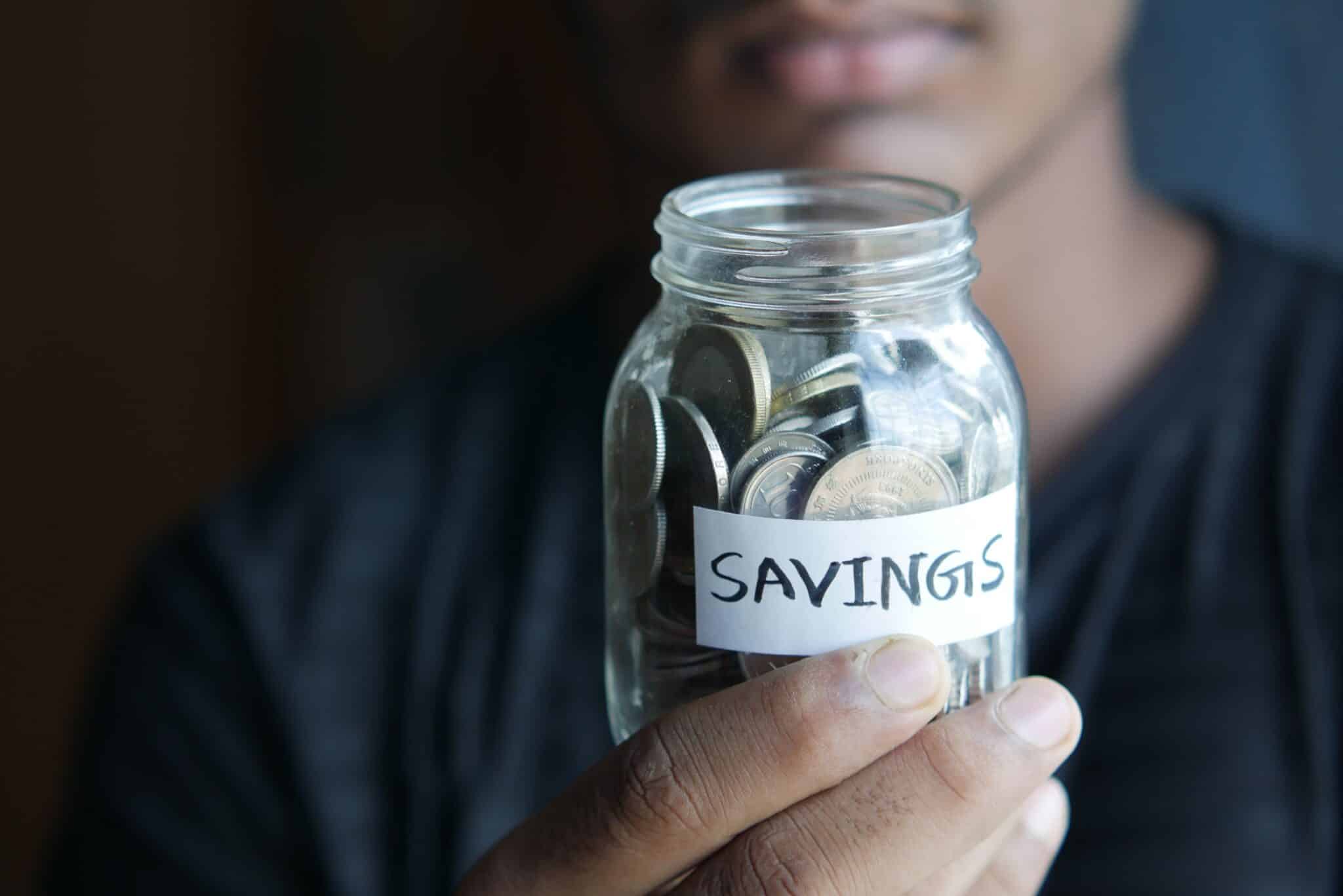
Many financial conversations begin with a simple question: “How much should I save?”
It’s a reasonable place to start, but it may not be the most important question.
A more useful question is, “What am I trying to create with the money I’m saving?”
The answer will be different for every person. Some want freedom to retire comfortably. Others want security for their families, flexibility in their careers, or the ability to pursue opportunities without constant financial pressure.
Financial wellness becomes much easier to understand when viewed through that perspective. Saving money remains part of the equation, but it is no longer the entire equation.
The goal is not simply to accumulate resources. The goal is to build confidence, flexibility, and the ability to make choices that align with what matters most.