


Birth is meant to produce a dreamy daze of diaper changes, teeny sock fittings and sleep that never comes. However, for new parents there may be other emotions that surface frequently. A sudden flashback of the birthing process.
Racing heart when the infant screams at 3 am. Dreadful sensation that doesn’t compare to all the happiness everyone is talking about in the comments below the hospital photo.
These experiences can be perplexing, especially when birth is framed as a happy conclusion to the story and nothing more. However, the body does not store scary or painful birth experiences safely in the mind.
When a nervous system remains alert for danger long after the perilous experience has occurred, then that response is called by a name and appears in many more new families than most people discuss.
Trauma caused during childbirth does not indicate a weak bond of love or failed mothering. It indicates that the mind is trying to defend you from something that was perceived as dangerous, even after the threat has disappeared.
Recognizing it early allows us to provide the proper type of assistance, instead of having a parent struggle through it alone.
For some parents reading about the types of follow-up care that trauma focused therapy can offer, while the initial months appear heavy compared to the highlighted version, can assist with providing a sense of relief.
Having knowledge of the available options prior to a crisis can alleviate the anxiety of seeking assistance.
What Postpartum PTSD May Feel Like

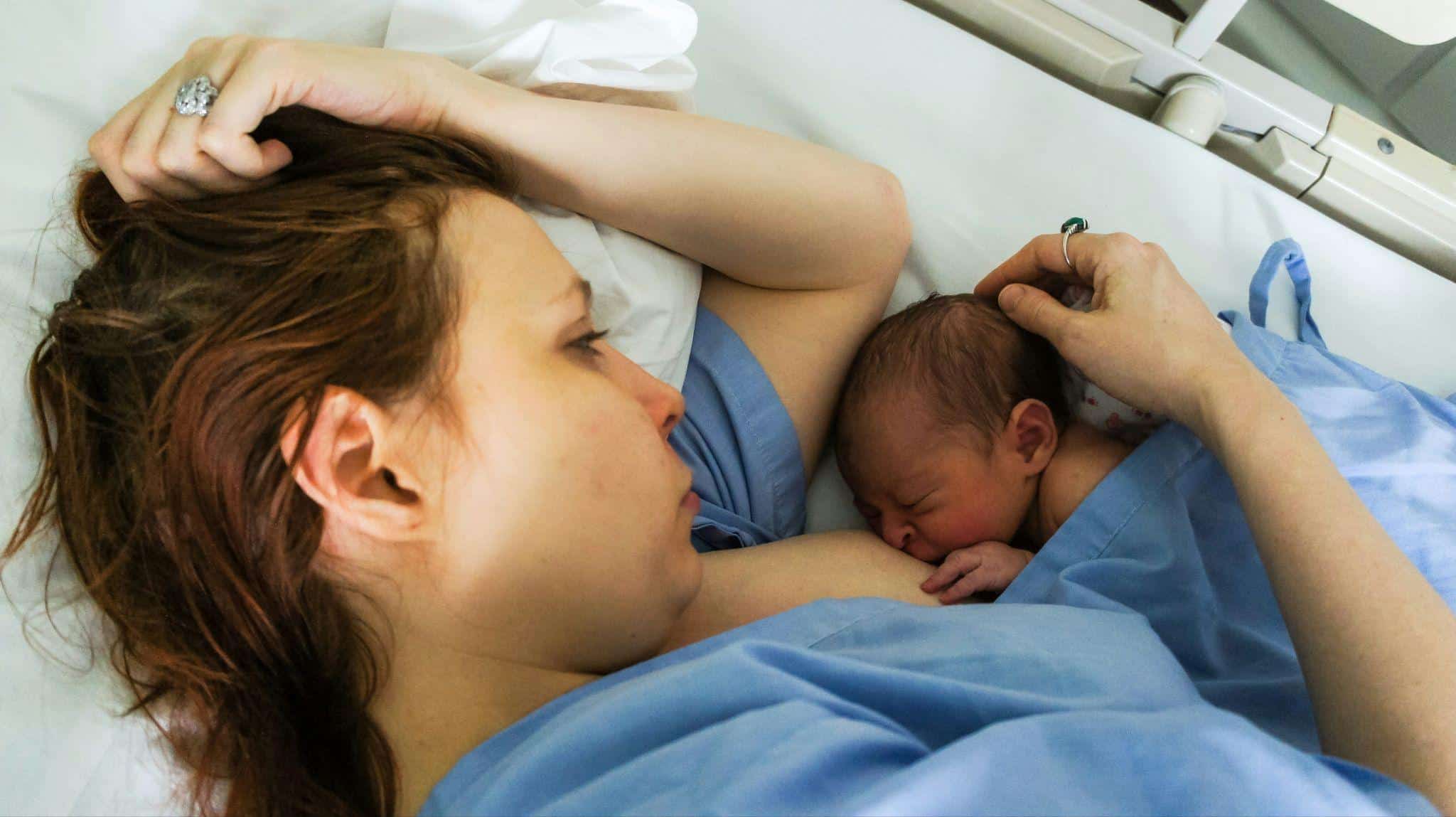
PTSD postpartum typically stems from a birth or early parenting experience that was perceived as horrifically terrorizing, completely out of control, or genuinely deadly.
Examples would include; an emergency C-section, significant complications, a prolonged period in the NICU, or at least once a parent had feared for their life or their baby’s.
Common symptoms often resemble:
- Unwanted intrusive recollections or flashbacks of the birth
- Dreams or trouble sleeping even after the baby sleeps.
- Perceived constant anxiety/ jitteriness / or inability to calm.
- Reminders (the hospital, specific conversations, etc.) cause avoidance
- Numbness/detachment from emotional connections.
All of the above examples do not mean a parent cares for their child any less. They indicate that the body registered this event as a threat and has not returned to normal.
How Different Than The Baby Blues?
Most supportive guidance fails here. The baby blues are usual, mild, and should improve by week two as hormone levels stabilize. Low mood, hopelessness, loss of interest and deep and long postpartum depression.
The pattern is traumatic related distress which is based upon fear and a body that continues to live through danger.
The categories can also overlap. An example would be low mood and trauma symptoms occurring simultaneously. Exactly why self-sorting is very difficult.
A professional diagnosis provides a much clearer picture than an internet checklist. The goal is not labeling but determining what pattern(s) you have.
Why Trauma-Informed Support Provides Better Results
“Trauma-informed” is another one of those buzzwords that gets tossed around without much explanation. Plainly stated, it refers to the support provided assuming that a difficult experience influenced how you feel now and working with that history rather than against it.
This is important since generalized comfort messages often don’t reach trauma. Generalized messages telling an anxious new parent to relax rarely will calm a nervous system trapped in alarm mode.
Trauma informed approaches work on the parent’s time frame. Prioritize a sense of safety. Avoid making anyone relive anything until they’re ready.
Studies into psychological support for post-partum mothers suggest a promising outcome using trauma focused methods although research is still in its infancy and results differ greatly among individuals.
Broader reviews of trauma treatment in civilian populations show similarly positive outcomes: structured, trauma focused therapy is likely to help more than merely letting time heal wounds on its own.
What Types Of Support Are Available To New Parents?


Support for a traumatic birth is not cookie-cutter, and that is beneficial. Trauma-based talk therapy, structured forms like cognitive therapy, and possibly discussions with your doctor regarding whether medications could aid in healing are common forms of care.
A clinician matches the method of support to the individual, symptoms and season of life.
Logistical issues are huge for new parents and logistics are huge. Getting to a weekly in-person meeting with a newborn in hand may seem impossible.
Virtual care is becoming an increasingly feasible starting option for many families. Initial studies examining therapists supported online therapy for PTSD show promise particularly in assisting individuals who were unlikely to seek care previously.
Although researchers say that models are currently evolving and not suitable for each scenario.
To determine if you prefer in-office or virtual care, ask yourself several questions before scheduling a first consultation: How will trauma specifically be discussed?
What will sessions look like? What happens if symptoms worsen between appointments? A good provider welcomes your questions, not dismisses them.
When To Seek Help
You need to “earn” symptom intensity before looking for help. Symptoms persisting greater than a few weeks, interfere with caring for yourself and/or your baby, or disrupt your ability to manage day-to-day tasks are reasons to speak with your OB/GYN, Midwife or Primary Doctor.
They can screen, listen and direct you towards the next best step.
Thoughts of harm to yourself and/or your baby, an inability to sleep or eat and/or feeling disconnected from reality warrant rapid attention. All three are serious and require immediate intervention rather than wait and see.
Permission to take this seriously even if friends/family members tell you it is just stress. No one knows your baseline better than you, and recognizing that something seems off is information you should use.
A Better Road Ahead

A difficult birth leaves scars we didn’t anticipate or understand about our minds and bodies. And carrying those scars does not mean you are a weak parent or one who failed as a parent. It means you are human with an active nervous system reacting as it did after a frightful experience.
Safety Disclaimer
If you or someone you love is in crisis, call 911 or go to the nearest emergency room. You can also call or text 988, or chat via 988lifeline.org to reach the Suicide & Crisis Lifeline. Support is free, confidential, and available 24/7.