
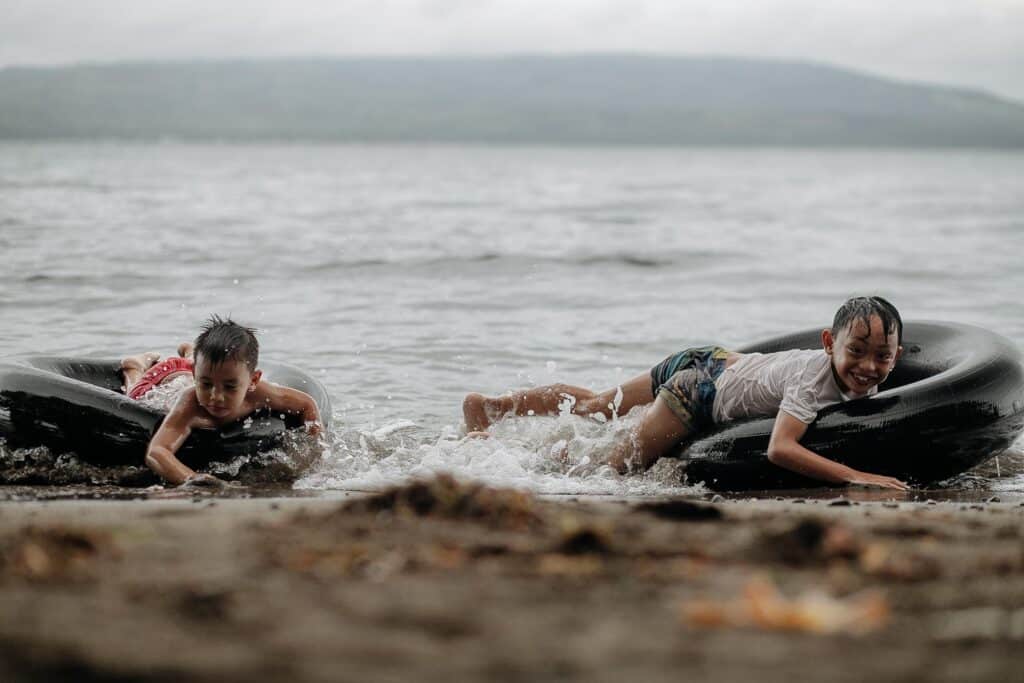
Taking young children to the beach sounds idyllic—sunshine, fresh air, and the sound of waves. The reality, however, can be a little more chaotic. Kids get restless, sandy snacks become a crisis, and the ocean is simultaneously fascinating and terrifying to a three-year-old.
Without a plan, what should be a relaxing family outing can quickly turn into a stressful exercise in crowd management.
The good news? A little preparation goes a long way. Having a roster of beach activities ready before you arrive means less time firefighting and more time actually enjoying the day.
Whether you’re heading to a local beach or planning a trip to a destination like the Outer Banks of North Carolina—one of the most family-friendly stretches of coastline on the East Coast—these activities will keep your little ones happy, engaged, and worn out by bedtime.
Why Young Kids Need Structured Beach Fun
Young children, particularly those under eight, have short attention spans and a low threshold for boredom. The beach, for all its natural wonder, doesn’t always hold their attention the way parents hope. Sand is fun for about ten minutes before someone is throwing it. The water is exciting until it’s not. That’s why having structured, purposeful activities makes all the difference.
The activities below are designed to stimulate creativity, encourage physical movement, and spark curiosity—all while keeping safety front of mind.
Creative Activities in the Sand
Build a Sandcastle City
Sandcastles are a classic for a reason. Pack a set of sand molds, buckets, and small shovels, and challenge your kids to build an entire city. Add roads, moats, and “gardens” made from shells and seaweed. Older toddlers love being assigned roles—the architect, the water-fetcher, the decorator. It’s a low-cost activity that can easily fill an hour or more.
Dig for Buried Treasure
Before the kids arrive at the spot you’ve set up, bury a small waterproof container filled with trinkets—plastic coins, mini figures, or stickers. Draw a simple treasure map and let the hunt begin. This activity works especially well for kids aged four and up, who are old enough to follow clues and feel the thrill of discovery.
Create Sand Art
Bring along small spray bottles filled with colored water (food dye works well). Kids can spray patterns onto dry sand to create temporary artwork. It’s sensory, creative, and completely mess-free once the water dries.
Active Games to Burn Energy
Beach Obstacle Course
Use whatever you have on hand—towels, buckets, and foam noodles—to build a simple obstacle course in the sand. Kids hop over towels, crawl under noodles held by adults, and sprint between buckets. The soft sand makes it safe for tumbles, and the physical challenge tires them out quickly. Win-win.
Frisbee and Bocce Ball
These active games are ideal for families with kids of mixed ages. Frisbee can be adapted for very young children with lightweight, soft versions, while bocce ball teaches basic counting and spatial reasoning. Both activities require minimal setup and can be packed flat in a beach bag.
Wave Jumping
For kids who are comfortable near the water’s edge, wave jumping is pure joy. Hold their hands and count down together before each wave hits. It’s simple, free, and endlessly entertaining—especially when a bigger-than-expected wave arrives. Always supervise this activity closely and stay in shallow water.
Nature-Based Exploration
Tide Pool Scavenger Hunt
If your beach has rocky areas or tide pools, this is one of the most educational activities you can offer a young child. Create a simple checklist of things to find: a hermit crab, a smooth rock, a piece of kelp, a shell with a hole.
Kids develop observational skills and a natural curiosity about marine life. The Outer Banks of North Carolina, for example, offers rich shoreline ecosystems where children can spot crabs, birds, and a variety of shells along the barrier islands.
Shell Collecting and Sorting
Give each child a small bucket and challenge them to collect as many different shells as possible. Back at the towel, sort them by size, color, or shape. It’s a quiet, calming activity that works well after high-energy play—and the shells make a great keepsake from the day.
Quiet-Time Activities for Rest Breaks
Beach Bingo
Print out a few waterproof bingo cards before you leave home, with beach-themed images like a pelican, a red umbrella, a child with an ice cream, or a sailboat. Kids scan the horizon and mark off what they spot. It’s a screen-free way to keep them engaged during the slower parts of the day without requiring much energy from parents.
Watercolor Painting with Seawater
Pack a small watercolor set and paper, and let kids paint using seawater as their medium. The slight salinity creates interesting textures when the paper dries, and the act of fetching water in a small cup gives them ownership of the process. This is particularly effective for winding down before lunch or during the midday heat when shade is preferable to direct sun.
Making the Most of Your Beach Day
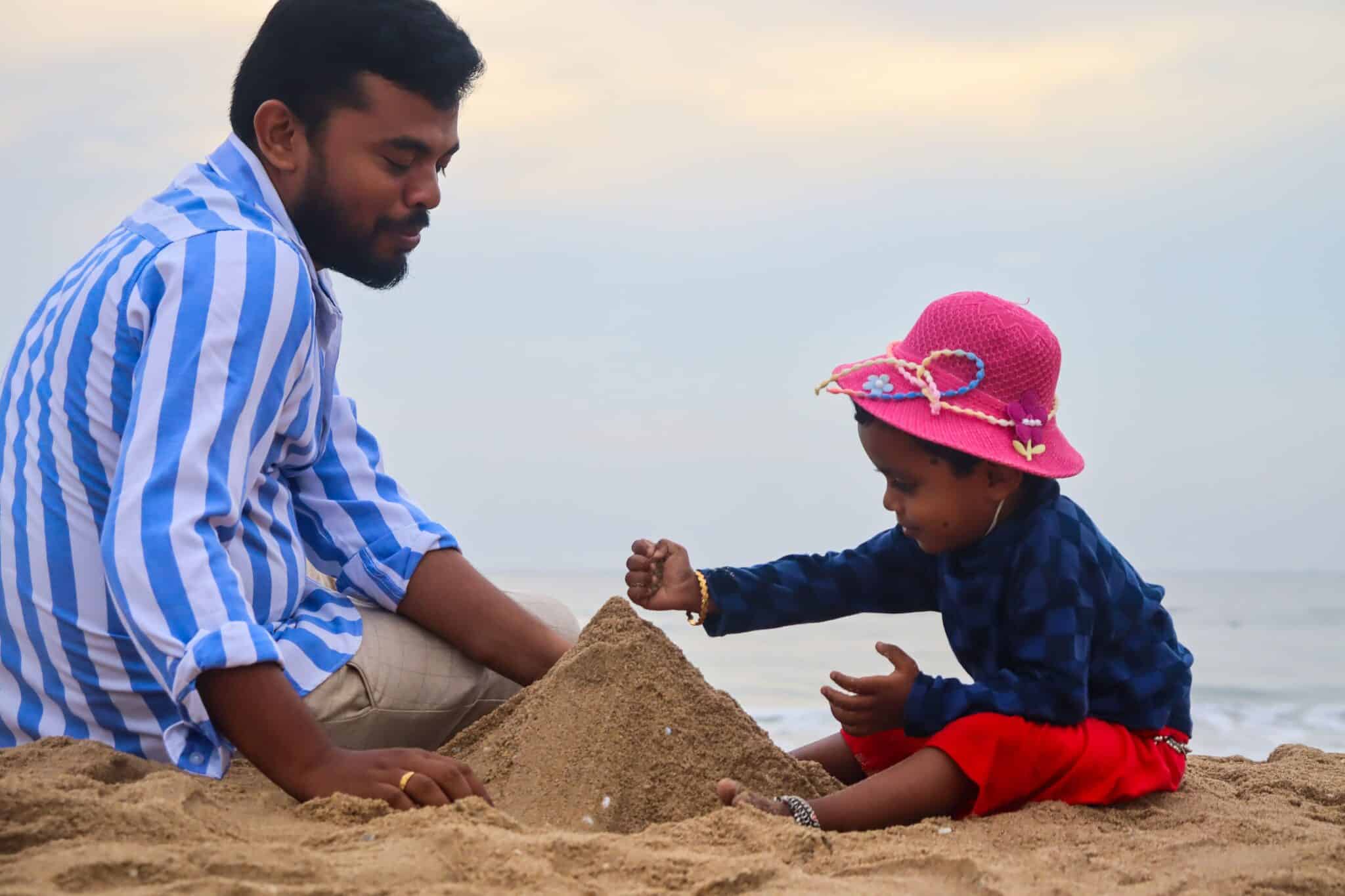
A successful beach outing with young children comes down to preparation and flexibility. Pack more snacks than you think you need, bring shade options like a pop-up tent, and schedule activities in blocks rather than back-to-back.
Let kids lead where possible—if they’re deeply absorbed in digging, don’t interrupt it. The goal is to follow their energy, not fight it.
It’s also worth noting that location matters. Family-friendly beaches with calm surf, shallow entry points, and nearby amenities make the logistics much easier. Destinations like the Outer Banks offer wide, uncrowded beaches that give children the space to roam without the anxiety of busy urban beaches.
Most importantly, lower the bar for perfection. Sand in the snacks, a minor meltdown at hour three, an early departure—none of it means the day was a failure.
The memories kids carry from beach days aren’t the perfectly executed moments. They’re the wave that knocked everyone over, the shell that looked like a dinosaur tooth, and the sandcastle that almost survived the tide.
Frequently Asked Questions
What beach activities are best for toddlers aged 2–4?
For toddlers, the best activities are simple, sensory-focused, and close to the shoreline. Sand molds, shell collecting, and wave-jumping while holding an adult’s hand are all age-appropriate. Avoid activities that require extended focus or complex instructions.
How do I keep young kids safe at the beach?
Always supervise children within arm’s reach near the water. Apply broad-spectrum sunscreen every 90 minutes, provide UV-protective swimwear, and bring a shaded shelter for rest periods. Avoid peak UV hours between 10 a.m. and 2 p.m. when possible.
What should I pack for a beach day with young kids?
Essential items include reef-safe sunscreen, a pop-up tent or umbrella, sand toys, a change of clothes, extra snacks, plenty of water, a first aid kit, and waterproof bags for wet items. A small activity kit with bingo cards or coloring supplies is also worth including.
What is the Outer Banks of North Carolina like for families with young children?
The Outer Banks is widely regarded as one of the most family-friendly beach destinations on the East Coast. The barrier islands offer wide, relatively uncrowded beaches, calm shallow surf in many areas, and a range of kid-friendly attractions including lighthouses, maritime forests, and wildlife refuges.
How do I handle a child who is afraid of the ocean?
Start at the water’s edge and let the child set the pace. Playing in wet sand, collecting shells near the shoreline, and watching waves from a distance can gradually build confidence. Never force a child into the water, as this can reinforce fear rather than reduce it.