
Family cars have a tough job. They need enough room for backpacks, groceries, sports gear and whatever mysterious collection of objects children decide must live in the back seat.
At the same time, parents do not necessarily want to spend the next decade driving something that feels purely practical. BMW has built much of its reputation around performance, but many of its sedans and SUVs also check the boxes families care about every day. Here are five reasons a BMW can make sense long after the car seats are installed.
Safety Technology Adds Confidence
Safety is usually near the top of the shopping list when parents start comparing vehicles, and modern BMW models offer a wide range of driver-assistance technology.
Depending on the model and configuration, features can include forward collision warnings, automatic emergency braking, blind-spot monitoring, lane departure warnings and parking assistance.
The advantage goes beyond having a long list of electronic features. BMW also designs vehicles around predictable handling and responsive braking, two qualities that matter when traffic suddenly slows or another driver makes a questionable decision.
Parents still need to remain attentive behind the wheel, of course, but well-designed safety and assistance systems can provide another layer of support during everyday driving.
There Is Room to Grow
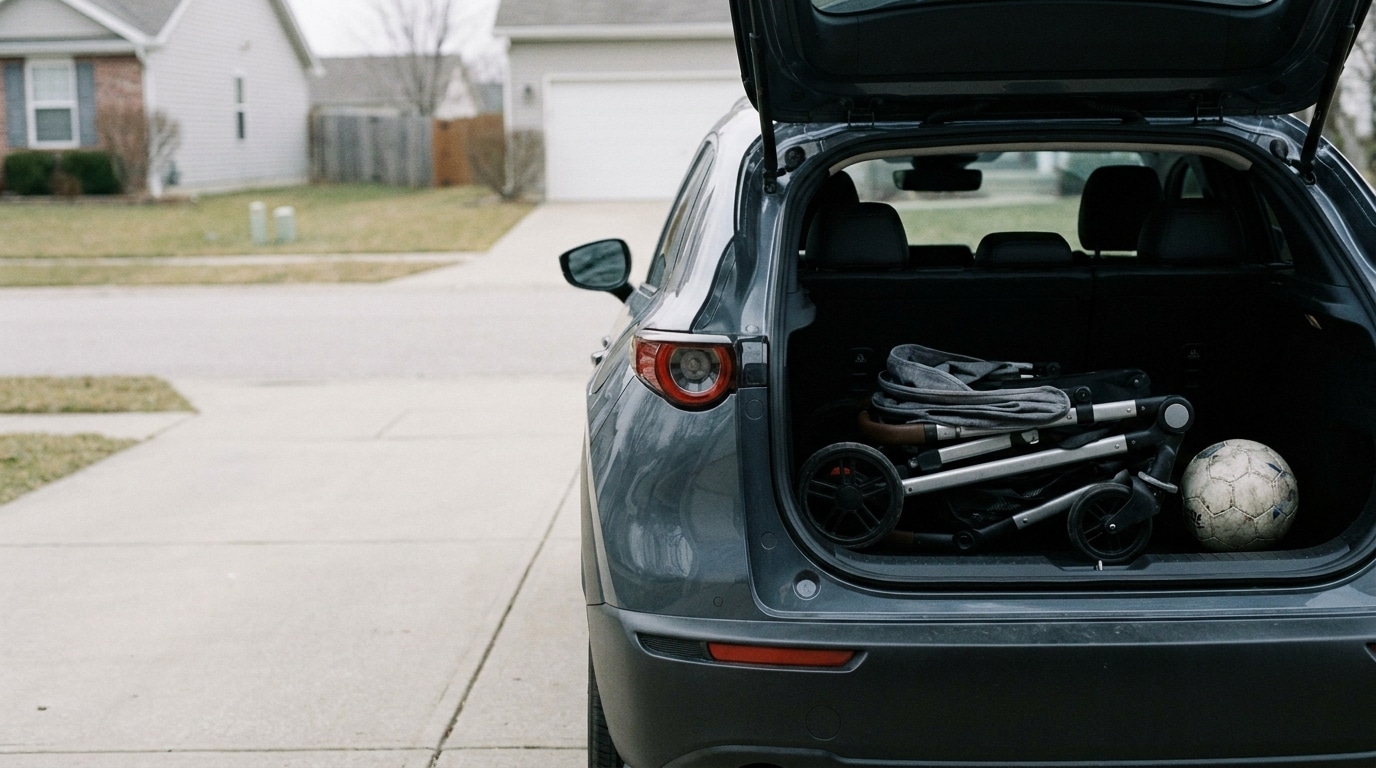
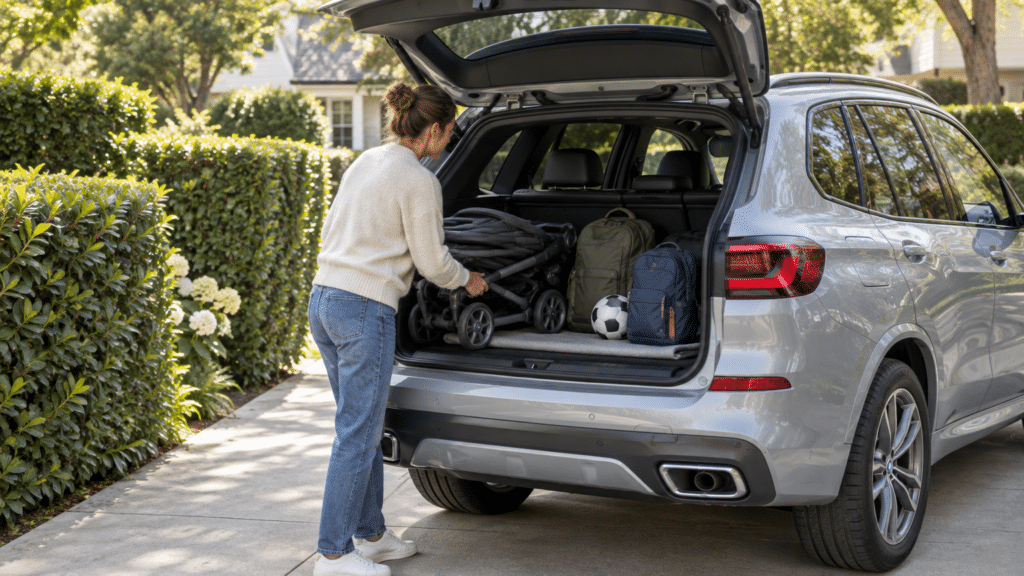
A family vehicle needs to work on ordinary Tuesdays, not just during the test drive. BMW’s SUV lineup gives shoppers several sizes to consider, from compact options suitable for smaller families to larger models designed for passengers and substantial cargo. That range makes it easier to choose based on how a family actually lives instead of automatically buying the biggest vehicle available.
Visiting a reputable BMW dealership in San Diego, Boston or wherever your family lives can be especially useful when comparing passenger space, cargo capacity and different seating arrangements in person. Bring the stroller if you still use one.
Open the rear doors. Sit in the second row. Check whether backpacks, sports equipment and a large grocery run can coexist in the cargo area. Those mundane tests often reveal more about whether a vehicle fits family life than horsepower numbers ever will.
Parents Can Enjoy Driving
Buying a family car does not require surrendering every enjoyable part of driving. BMW built its name around cars that feel responsive, controlled and connected to the road, and that philosophy remains part of the brand’s appeal across much of its lineup.
That can make a noticeable difference for parents who spend hours each week commuting, handling school pickup or driving children between activities. A comfortable cabin, supportive seating and responsive handling can make those repetitive miles less tedious.
Available convenience and entertainment technology also helps families manage navigation, calls and music without turning the dashboard into a science experiment. The result is a vehicle that can handle family responsibilities while still feeling like a car chosen by an adult who genuinely likes cars.
Road Trips Feel Manageable
Long-distance travel exposes every weakness in a family vehicle. Uncomfortable seats become unbearable. Limited cargo space turns packing into Tetris. A noisy cabin starts testing everyone’s patience somewhere around hour three.
BMW’s larger sedans and SUVs can offer the comfort, storage and highway manners that families appreciate when the destination is several hundred miles away.
When planning a family road trip, features such as climate control, USB charging, navigation, comfortable rear seating and flexible cargo space can matter far more than flashy extras. Depending on the model, families can also find available features designed to make highway driving and parking easier.
Add BMW’s emphasis on driving dynamics, and the person behind the wheel gets a vehicle designed for more than simply surviving the interstate. Nobody can guarantee the kids will stop asking when you’re getting there, unfortunately. Some problems remain beyond German engineering.
Families Have Real Choices
“Family car” once suggested a fairly narrow category. Today, households have far more freedom to choose a vehicle around their space requirements, driving habits and personal preferences.
BMW’s lineup reflects that shift, with sedans, compact SUVs, larger SUVs, plug-in hybrids and fully electric options available for different types of drivers.
That variety can also prevent families from buying more vehicles than they actually need. A household with one child and mostly city driving may have very different priorities from a family carrying several passengers, luggage and sports equipment every weekend. Fuel type, cargo room, seating capacity, parking space and typical driving distance should all factor into the decision.
Ultimately, the best family car is the one that fits real family life. BMW makes a strong case by combining practical choices with comfort, safety technology and the kind of driving experience parents can still enjoy after everyone else climbs aboard.