
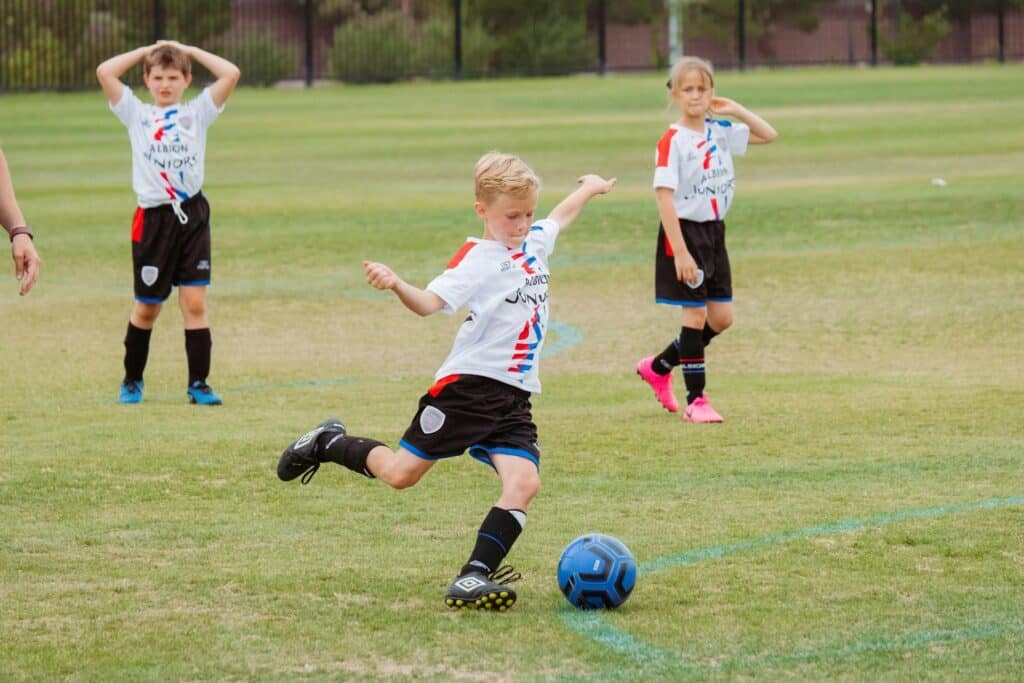
Fall might just be the best season for getting kids moving. Cooler temperatures make it easier to play outside longer, and community leagues are kicking off everywhere you look.
Whether your child is a first-timer or a returning pro, you can make every practice and game feel like an adventure. Here are seven easy ways to keep the good times rolling all season long.
1. Let Your Child Choose Their Sport
Kids light up when they get a say in what they play. Fall offers plenty of options, from soccer and flag football to cross country, volleyball and tennis. U.S. youth sports participation rose to 58% in 2024.
Before you sign up, sit down together and talk through the choices. Ask your child what sounds exciting to them, what their friends are playing and whether your child would rather join a team or compete solo. Sampling different sports can also help your child build a wider range of skills and keep things fresh.
2. Celebrate Effort Over the Scoreboard
Winning feels great, but it’s rarely the main reason kids play. A recent national survey of nearly 4,000 kids found that 48% play to have fun, while 47% love playing with friends. That means your encouragement matters way more than the final score.
After each game, try asking questions that focus on the experience:
- What was the most fun part of today?
- Did you try anything new?
- Who made you laugh on the field?
Praise the hustle, the teamwork and the brave attempts, even the ones that went sideways. Those little moments of recognition help kids feel proud of themselves, regardless of what the scoreboard says.
3. Turn Your Driveway Into a Basketball Court
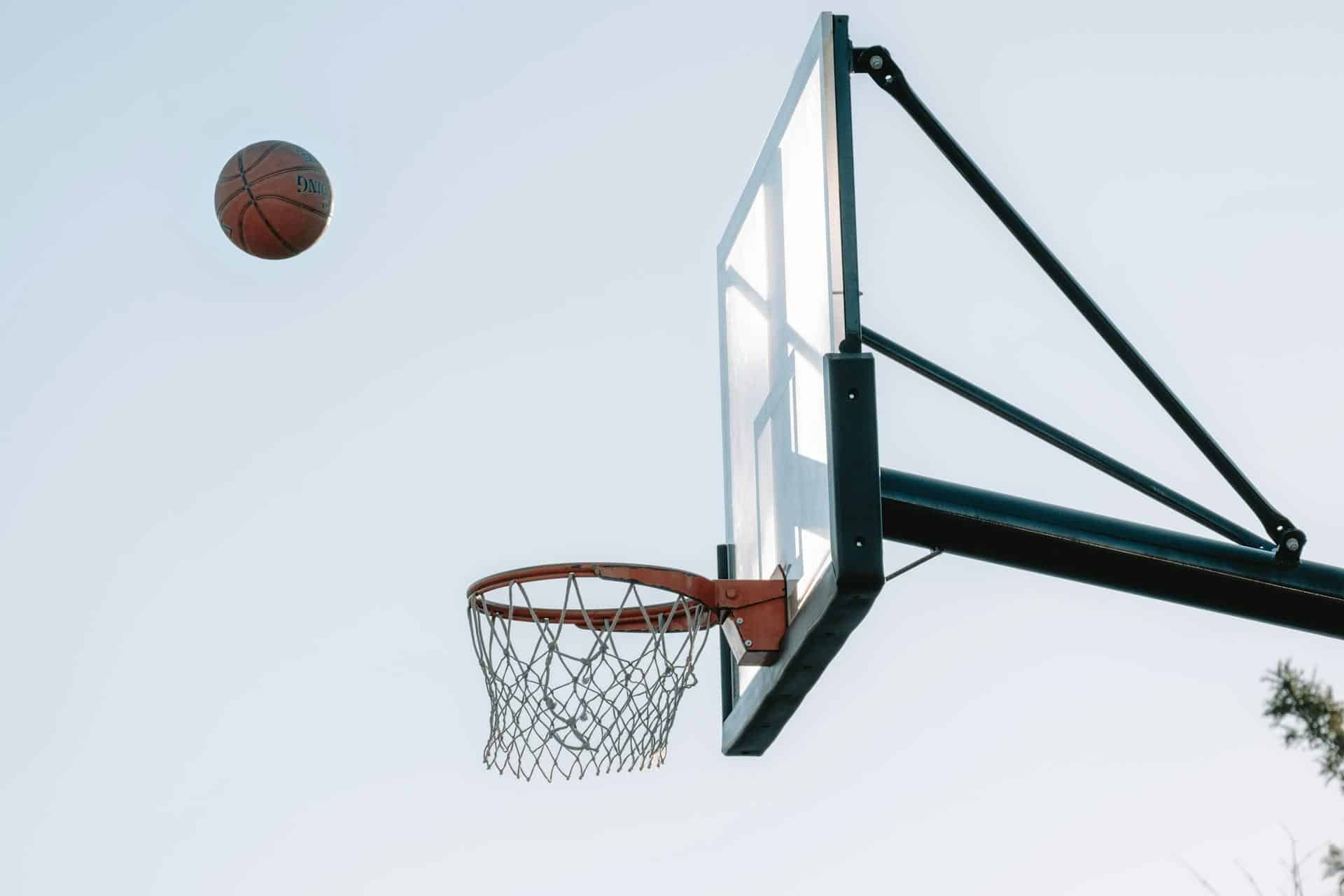
Basketball season may officially tip off in winter, but fall makes the perfect warm up. Many community centers run fall rec leagues, and a driveway hoop gets just as much action on cool afternoons.
Pickup games are a low-pressure way to help kids enjoy fall sports at home. You’ll find plenty of fun and competitive basketball games that work for every age. For example, here is how to play HORSE:
- Pick an order: Players shoot from the free-throw line to decide who goes first.
- Set the shot: The first player shoots from any spot. If it goes in, everyone else has to match it from the same spot.
- Collect letters: Each player who misses the copycat shot earns a letter.
- Spell it out: Players who spell H-O-R-S-E are out. The last player standing wins.
If you’re playing with little ones or beginners, you might switch to PIG for a quicker game that keeps short attention spans happy.
4. Make Game Day a Family Tradition
A little pregame ritual can make every Saturday feel like a celebration. Think team-colored pancakes, a pump-up playlist for the car ride or homemade signs for the sidelines. Siblings can join in by designing posters or packing the snack bag.
Traditions can also keep the whole family moving together. Kids ages 6 to 17 need at least 60 minutes of activity daily, and a postgame family walk helps you get there.
5. Mix in Seasonal Backyard Games
Organized sports are only part of the fun. Crisp weather makes autumn a prime season for outdoor activities, so your backyard offers plenty of opportunities to build skills between practices.
Try these seasonal twists on classic sports to help children develop coordination, speed and teamwork skills as they play:
- Leaf pile goals: Rake leaves into two piles and use them as soccer goals.
- Pumpkin bowling: Line up empty plastic bottles and roll a small pumpkin to knock them down.
- Backyard flag football: Tuck dish towels into waistbands and play a quick game of grab-the-flag.
- Fall scavenger relay: Race to find a red leaf, a pinecone and an acorn, then sprint back to base.
6. Keep Practice Playful at Home

Skill-building at home can feel more like playtime than homework. Turn drills into mini challenges your child can beat over time. Count their soccer juggles, time their sprint across the yard or see how many free throws they can sink in a row.
Keep sessions short and sweet, so younger kids stay eager for more. Better yet, jump in yourself. Kids get a huge kick out of watching a grown-up attempt a crossover dribble, wobbles and all.
7. Cheer Loudly and Kindly From the Sidelines
Simply showing up to games and practices sends a powerful message of support. Keep sideline cheers positive and focused on the whole team. Leave the coaching to the coach, so your child hears encouragement rather than instructions.
After the game, a simple “I love watching you play” can mean the world. Above all, follow your child’s lead. If they’re tired or need a break, that’s also part of the journey. A relaxed, supportive vibe keeps kids excited to come back next season.
Help Your Kids Have Fun With Fall Sports All Season
Fall sports are about much more than goals and baskets. They give your kids a chance to make friends, build confidence and soak up the season’s best days outdoors.
With a little creativity and a lot of cheering, your child can fall in love with the game. You might even start a few family traditions along the way. Grab a ball, head outside and let the fun begin!