
In an era of mass-produced furniture and fast-fashion homeware, our living spaces face a growing crisis of identity. We scroll through Instagram or Pinterest, seeing the same beige sofas, the same geometric rugs, and the same generic prints hanging on the walls. While these spaces are undeniably stylish, they often lack a heartbeat. A true home is not just a showroom; it is a reflection of the people who live within its walls—their patience, their passions, and their creativity.
This realization has sparked a resurgence of the “Maker Movement.” Adults across the UK are stepping away from the “buy-it-now” button and turning towards “make-it-yourself” projects. This isn’t just about saving money (though that is a pleasant bonus); it is about the deep psychological satisfaction of looking at a beautiful object on your mantelpiece and knowing: “I made that.”
If you are looking to infuse your home with personality while simultaneously finding a relaxing escape from the digital world, here are three creative hobbies that bridge the gap between mindfulness and high-end interior design.
1. The Renaissance of Wall Art: Painting Without Fear
The most impactful way to change the mood of a room is through wall art. A large canvas can act as an anchor for a living room, setting the colour palette and tone for the entire space. However, original art is prohibitively expensive, and generic store-bought prints can feel flat and impersonal.
Many of us dream of painting our own masterpieces, but we are held back by the “Talent Myth”—the idea that you must be born with artistic genius to pick up a brush. This fear keeps us from engaging with one of the most therapeutic activities available.
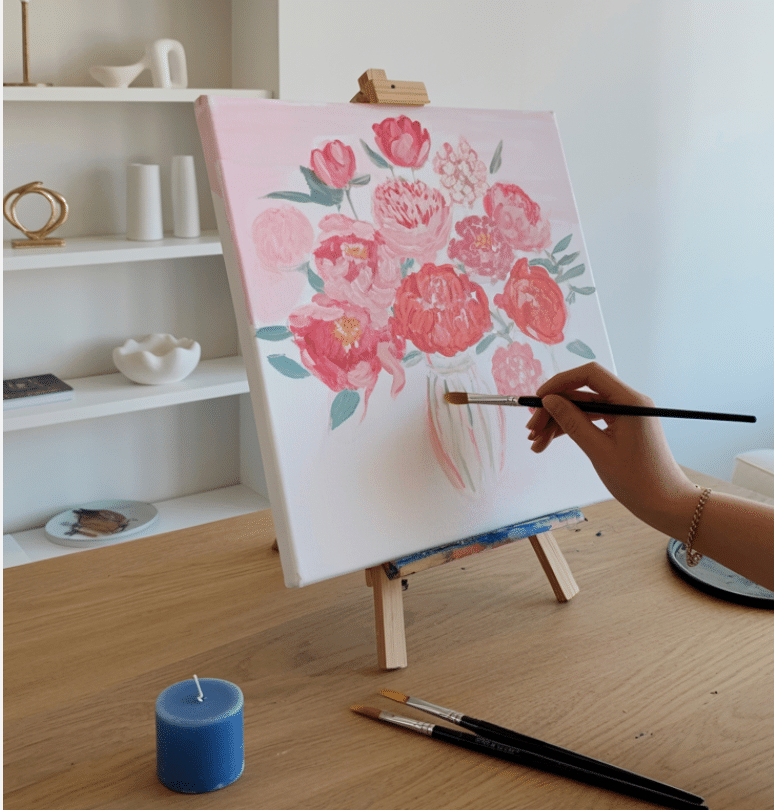
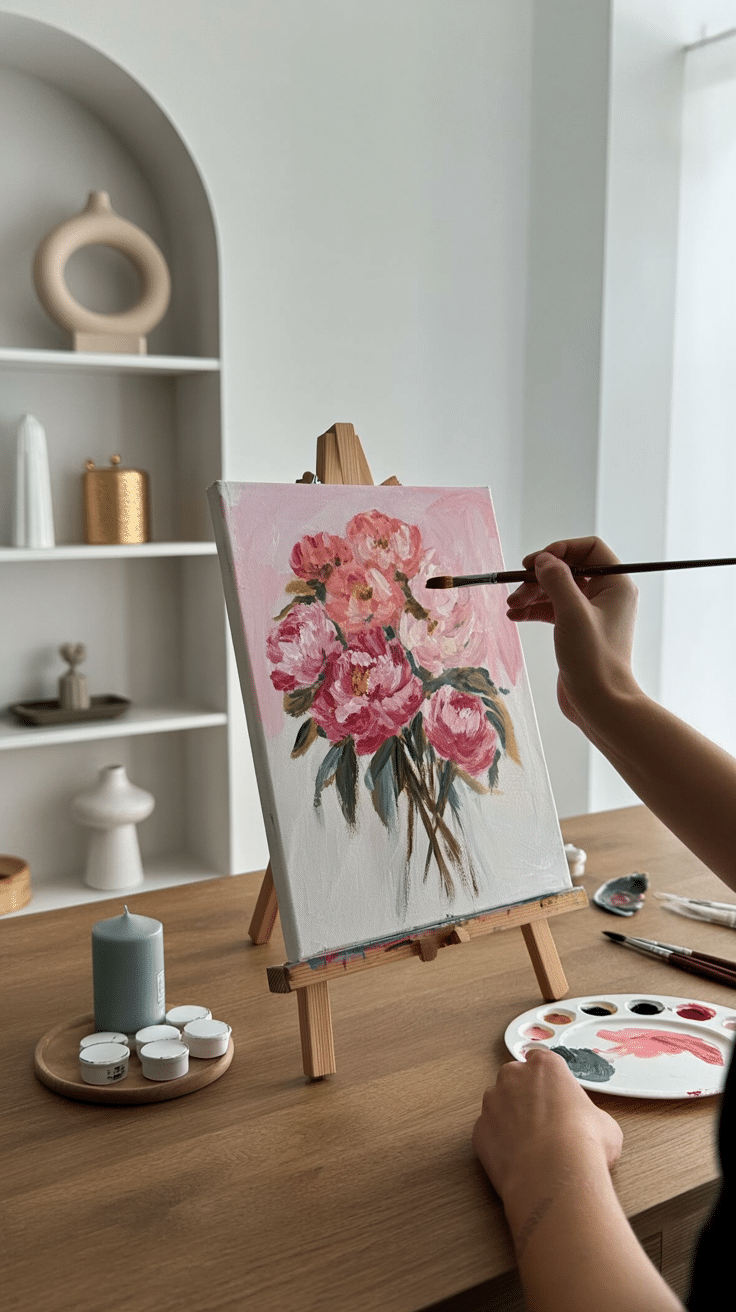
Fortunately, the modern crafting market has democratised art. Structured painting kits have evolved significantly from the simple children’s versions of the past. High-qualitypainting by numbers for adults allows anyone, regardless of skill level, to create sophisticated, gallery-worthy pieces.
When choosing a kit for your home, think like an interior designer. Consider the colour psychology of your room.
- For the Bedroom: Look for serene landscapes, soft botanical studies, or coastal scenes using blues and greens to promote rest.
- For the Living Room: You might opt for a bold abstract design or a vibrant reproduction of a famous Van Gogh or Monet to serve as a conversation starter.
The process of painting these canvases is deeply meditative. Layering the acrylic paints, blending the edges, and watching the image emerge from the abstract shapes induces a state of “flow.” Once completed and framed, these paintings carry a texture and depth that a printed poster simply cannot replicate. It adds a layer of sophistication to your walls that feels both personal and professional.
2. Literary Worlds: The Magic of Shelf Styling
For many, the bookshelf is the soul of the house. It displays our intellectual journey, our favourite stories, and our interests. However, from a design perspective, rows of book spines can sometimes look cluttered or monotonous. Designers often use “negative space” and decorative objects to break up the density of books, making the shelves look curated rather than chaotic.
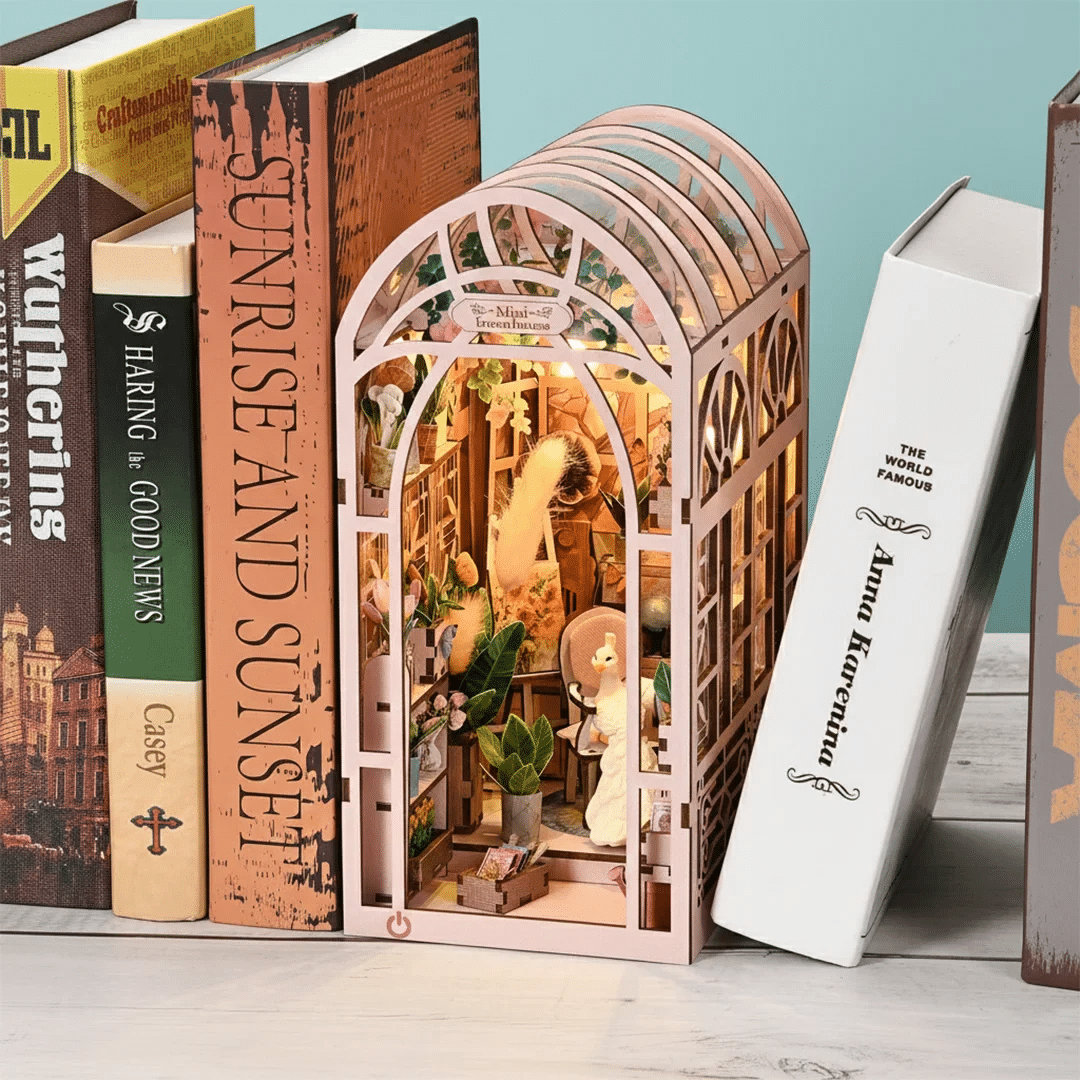
The most enchanting trend to emerge in shelf styling is the “Book Nook.” These are intricate, three-dimensional dioramas that slot in between your novels, acting as a portal to another world.
Buildingbook nooks is akin to architectural modelling. These wooden puzzle kits invite you to construct detailed miniature scenes—perhaps a gas-lit Victorian alleyway, a sun-drenched Japanese garden, or a mysterious wizard’s library. The level of detail is astonishing, often including tiny books, miniature furniture, and intricate scrollwork.
What makes these truly special for home decor is the lighting. Most kits come equipped with warm LED lights and hidden battery packs. In the evening, when the main lights go down, these nooks glow softly from within the bookshelf, adding a magical, ambient light to the room. It transforms a standard storage unit into a focal point of wonder and whimsy. Building them requires patience and a steady hand, making it the perfect project for long winter evenings when you want to disconnect from screens and work with your hands.
3. Texture and Light: The Sparkle of Diamond Painting
While paint adds colour and book nooks add depth, sometimes a room needs texture and light. This is where “Diamond Painting” enters the conversation. Often described as a fusion of paint-by-numbers and cross-stitch, this hobby uses tiny, resin facets (often called “drills”) to create a mosaic image.
In interior design, texture is crucial. A room with only flat surfaces feels clinical. Diamond paintings introduce a unique element because the facets catch the light. As the sun moves across the room, or as you dim the lights in the evening, the artwork changes, shimmering subtly.
This hobby is particularly effective for those who find the mess of wet paint stressful. It is a dry, clean craft that can be done in short bursts. The repetitive action of placing each diamond onto the adhesive canvas is rhythmic and soothing, known for lowering anxiety levels.
To incorporate diamond painting into a chic home interior, consider the framing. Because the artwork itself is sparkly and detailed, a simple, modern frame with a white mount often works best to let the piece breathe. Geometric patterns, mandalas, or monochrome wildlife portraits in diamond art can look incredibly modern and high-end when styled correctly.
The Final Touch: Framing and Display
The secret to taking these DIY projects from “craft project” to “decor staple” lies in the presentation. You don’t need to spend a fortune on professional framing, but you should treat your work with respect.
- Stretch your Canvas: For paint by numbers, ensure your canvas is stretched taut over a wooden frame to prevent sagging.
- Glass vs. No Glass: Diamond paintings often benefit from being behind glass to protect the adhesive from dust, while acrylic paintings look better without glass so the brushstroke texture is visible.
- Grouping: Don’t be afraid to group your handmade items. A gallery wall of three harmonising paint-by-number canvases looks intentional and curated.
Conclusion
Your home should be a sanctuary that tells your story. By dedicating time to creative hobbies, you are doing more than just filling time; you are investing in your environment. Whether it is the stroke of a paintbrush, the precise construction of a miniature library, or the placement of a sparkling diamond, these acts of creation ground us. They remind us that we are capable of making beautiful things. So, clear a space on the table, choose your project, and start crafting a home that is truly, uniquely yours.