
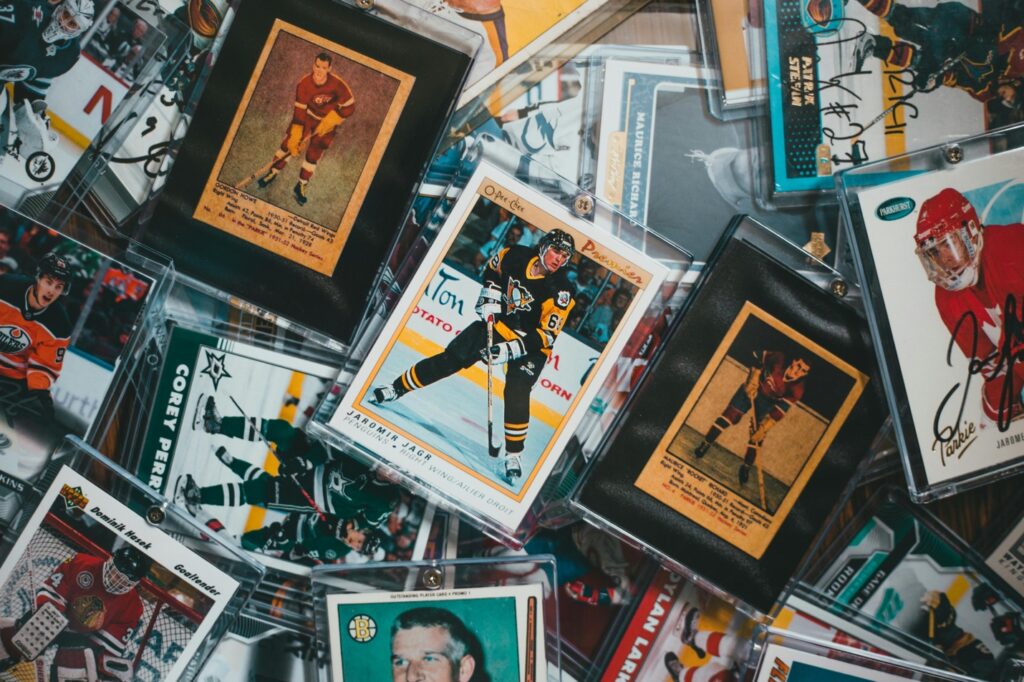
Collectibles often start as simple items with personal meaning. Over time, some gain financial value as well. Families may hold onto toys, cards, or keepsakes without realizing their potential worth.
Knowing what drives value can help people make informed choices about what to keep, sell, or pass down.
Rarity and Limited Supply
Rarity plays a major role in value. Items produced in small numbers are harder to find, which increases demand. Limited edition releases often gain attention because fewer people can own them.
Older items may also become rare over time. As pieces are lost or damaged, the remaining ones become more valuable. This makes well-preserved items from past decades especially appealing to collectors.
Condition and Preservation
Condition is one of the most important factors. Items that look close to new usually hold a higher value. Scratches, fading, or missing parts can lower what a collectible is worth.
Proper storage helps maintain condition. Keeping items away from moisture, heat, and sunlight can prevent damage. Protective cases or covers can also help extend the life of a collectible.
Even small details matter. Original packaging, tags, or certificates can add to the overall value.
Authenticity and Provenance
Buyers want proof that an item is genuine. Authenticity confirms that a collectible is what it claims to be. Certificates, receipts, or expert verification can support this.
Provenance refers to the history of an item. Knowing where it came from or who owned it can increase interest. Items linked to well-known people or events often carry a higher value.
Purchasing from trusted sources, such as an autograph store, can help confirm authenticity and reduce risk.
Cultural and Emotional Appeal
Collectibles often gain value because of cultural interest. Items tied to popular movies, sports, or historical moments attract attention from fans. This demand can grow over time as new audiences discover them.
Emotional connection also plays a role. Families may value items for personal reasons, even if the market value is low. Shared memories can make a collectible meaningful in ways that go beyond price.
Market Trends and Timing
The value of collectibles can change based on trends. Certain items may become popular due to renewed interest in a topic or event. Timing can affect whether an item sells for a higher or lower price.
Collectors often watch the market to decide when to buy or sell. Patience can lead to better outcomes, especially for items that gain interest over time.
Collectibles hold both financial and personal value. Rarity, condition, authenticity, and demand all play a part in shaping their worth.
With careful attention and informed choices, families can better understand what makes their items special and valuable. Look over the infographic below for more information.