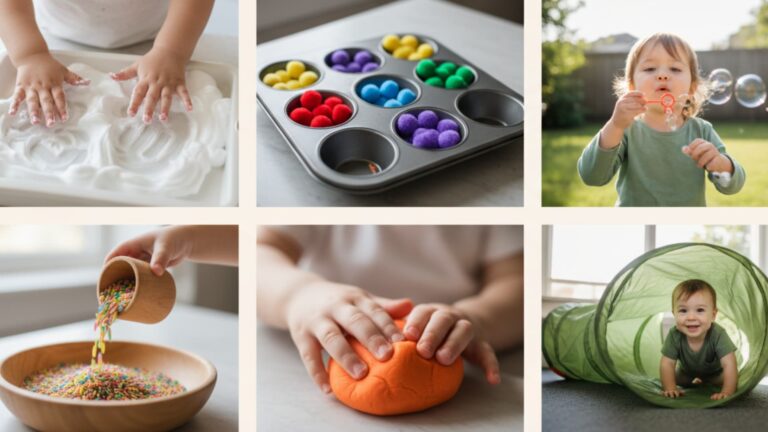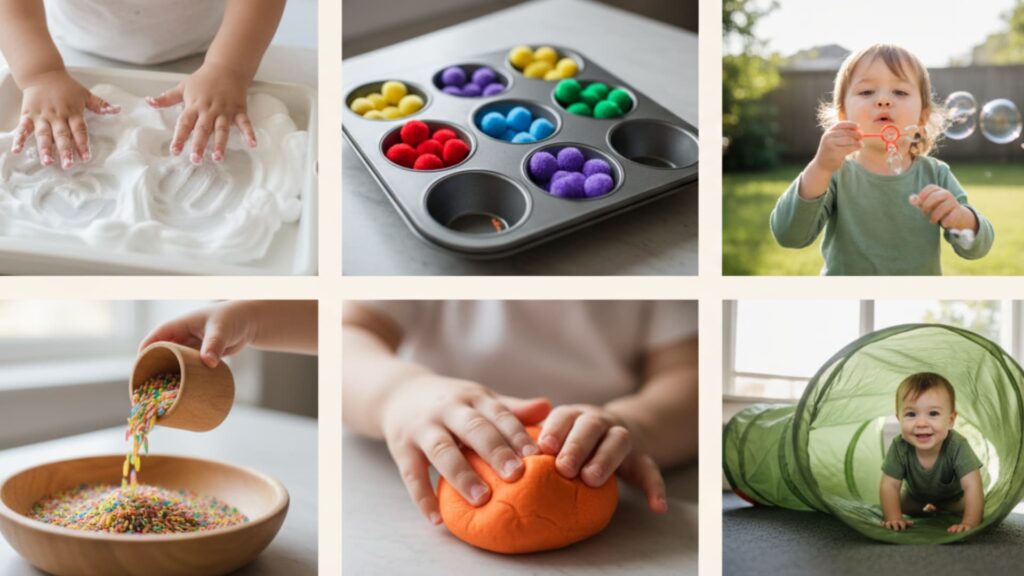

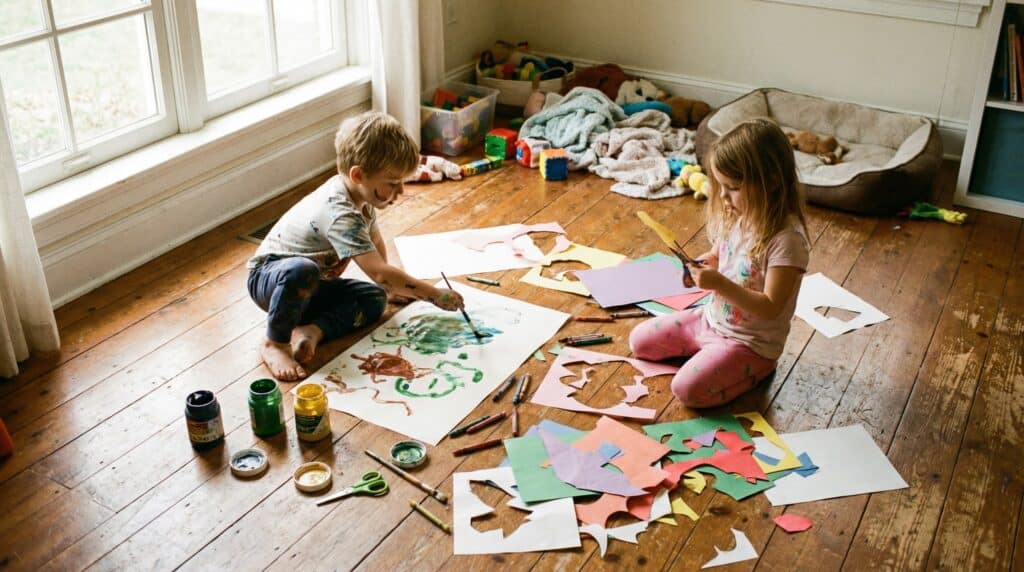
The kids are bored. You can feel it before they even say it. That restless energy, the third snack in an hour, the “I have nothing to dooo” that echoes through the house. Been there.
This list has indoor kids’ activities that actually work, no expensive kits, no prep that takes longer than the activity itself.
Some take five minutes to set up. Some keep kids busy for hours. All of them are real. Pick whatever fits today and go from there.
How to Keep Kids Entertained Indoors?
Keep it simple and keep it moving. Rotate between active and calm activities every 20 to 30 minutes, let kids pick from two or three options, and have a small box of basic supplies, like paper, crayons, tape, and balloons, ready to grab. That is really all it takes to turn a long day indoors into a good one.
Some days will feel noisy and a little chaotic, and that is completely fine. The mix of small choices and simple activities keeps things flowing without much planning.
Before you know it, the day passes with fewer complaints and more little moments of fun.
Arts, Crafts, and Creative Play
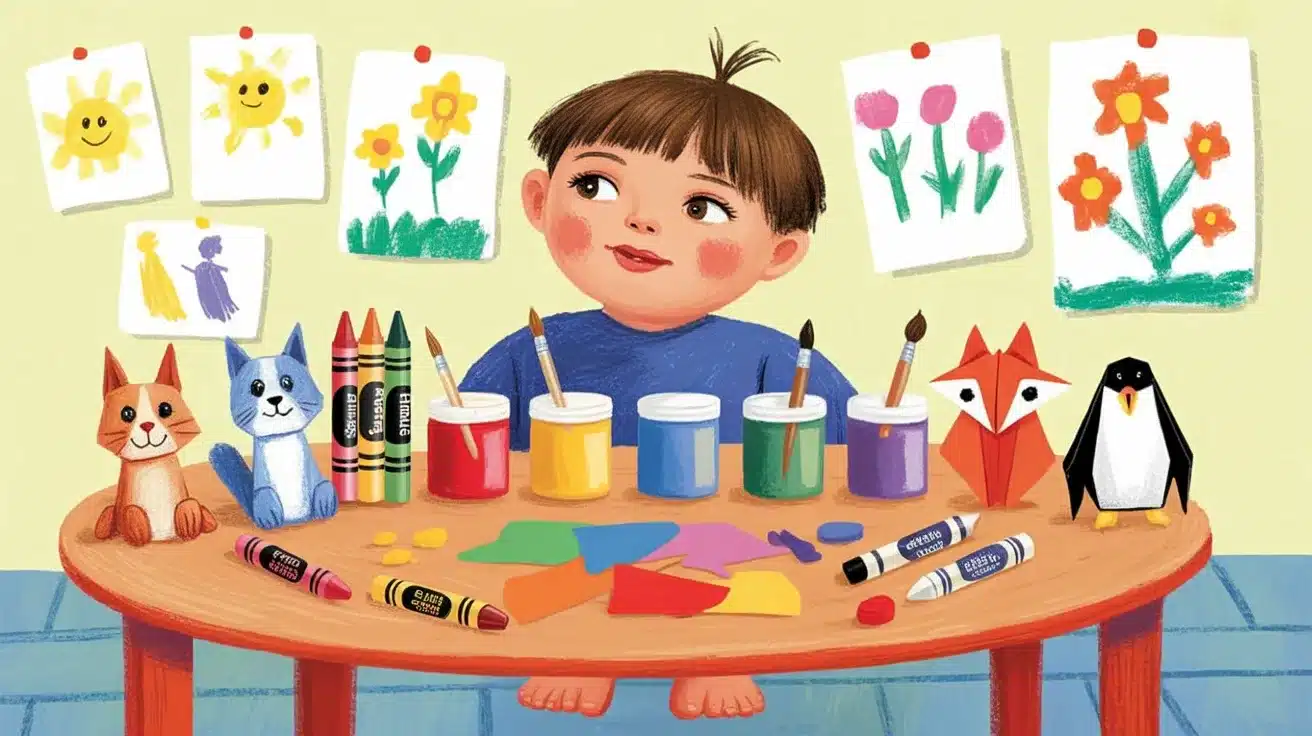
Alt Text: Illustration of a child sitting at a table with paints, crayons, and crafts, surrounded by drawings, paper cutouts, and colorful art supplies
Got paper and a crayon? That is enough to get started. These indoor kids’ activities give children a space to create freely, build focus, and make something they are genuinely proud of. The mess is part of it.
1. Drawing and Painting: Kids draw or paint anything they want using crayons, watercolors, or finger paints. It builds fine motor skills and lets them express what words sometimes cannot. [Ages 2+]
2. Collage Making: Cut up old magazines or colored paper and paste the pieces onto cardboard. Builds hand-eye coordination and creative thinking. [Ages 3+]
3. Homemade Puppets: Use old socks, buttons, and scraps of fabric to build puppet characters. Once made, kids naturally start performing shows. [Ages 3+]
4. DIY Sticker Book: Kids collect, sort, and stick stickers into a blank notebook. Simple to set up and great for concentration. [Ages 2+]
5. Tie-Dye T-Shirts: Twist an old white shirt with rubber bands, apply fabric dye, and let it sit. Part art, part science, and the result is wearable. [Ages 6+]
6. Origami: Fold paper into animals or simple shapes using a step-by-step guide. Builds spatial thinking and patience in equal measure. [Ages 5+]
7. Homemade Bookmarks: Decorate paper strips with drawings, patterns, or stamps. Quick to make and actually useful afterward. [Ages 4+]
8. Stamping Art: Cut a potato or carrot in half, dip the flat side in paint, and stamp repeating patterns onto paper. [Ages 3+]
9. Salt Dough Sculpting: Mix flour, salt, and water into a dough, shape it, let it air-dry, then paint it. Kids end up with a keepsake they made themselves. [Ages 4+]
10. Crayon Melting Art: Glue crayons to the top of a canvas and use a hair dryer to melt them into colorful drips. Builds curiosity and patience. [Ages 6+]
11. DIY Greeting Cards: Kids make cards for grandparents, cousins, or friends using paper, stickers, and their own drawings. Builds empathy quietly. [Ages 4+]
12. Paper Plate Animals: Turn paper plates into animal faces using paint, paper scraps, and craft supplies. [Ages 3+]
13. Zentangle Drawing: Fill simple shapes with repeating patterns, dots, and lines. Builds focus and fine motor precision without any pressure to be “good at art.” [Ages 7+]
14. Fabric Marker T-Shirts: Give kids a plain white shirt and fabric markers and let them design their own wearable artwork. [Ages 5+]
Active and Movement-Based Games
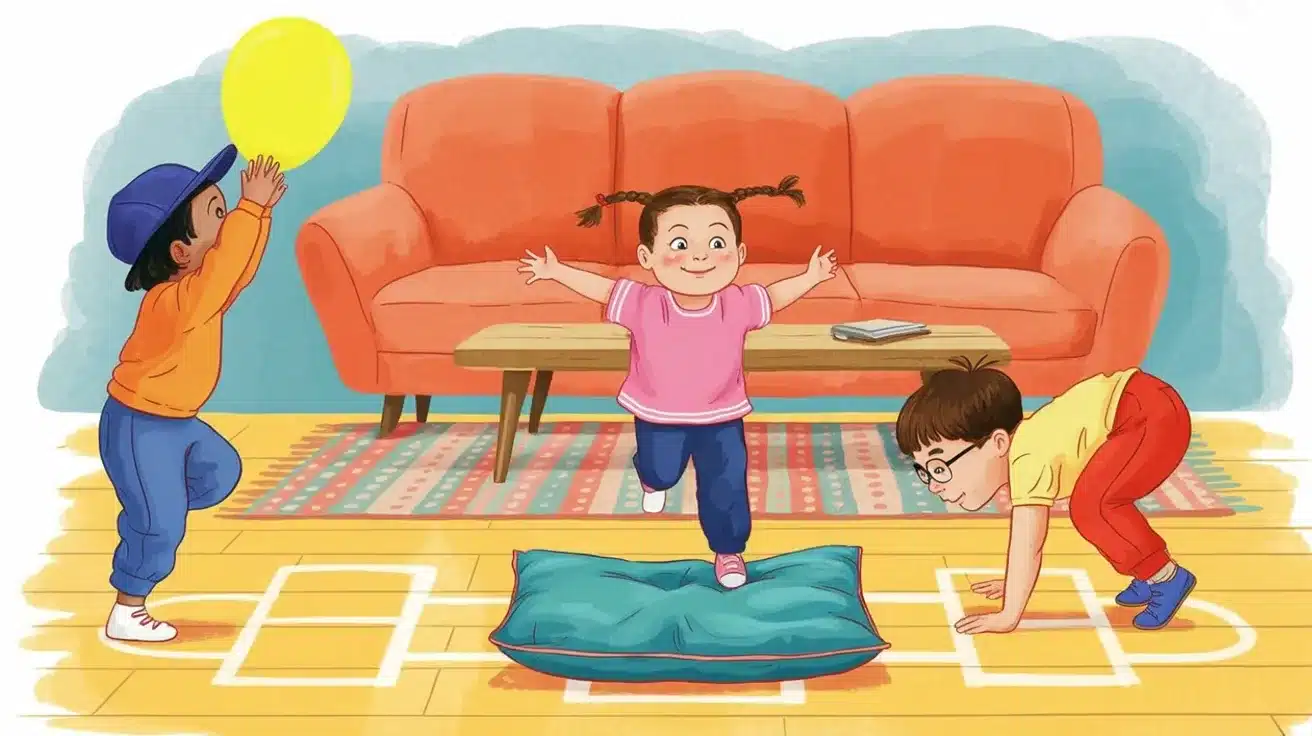
Alt Text: Illustration of three children playing indoors, jumping on a cushion, holding a balloon, and crawling on a floor with a hopscotch pattern in a living room
Kids who would normally be running outside still need to move. These indoor kids’ activities burn real energy, work on coordination and strength, and do not require a gym or much space. A living room works just fine.
15. Balloon Volleyball: Bat a balloon back and forth using hands or fly swatters. Works on visual tracking, hand-eye coordination, and reaction time. [Ages 3+]
16. Living Room Obstacle Course: Line up pillows, tape lines on the floor, and use furniture as obstacles to crawl under or jump over. Change the layout every few rounds. [Ages 2+]
17. Indoor Bowling: Set up empty water bottles as pins and roll a soft ball to knock them down. Kids can keep score or rearrange the pins in creative patterns. [Ages 3+]
18. Animal Walks: Kids walk like bears, crabs, frogs, or snakes across the floor. This builds bilateral coordination and full-body strength. [Ages 2+]
19. Freeze Dance: Play music and strike a yoga pose the moment it stops. Combines cardio, balance, and focus. [Ages 3+]
20. Musical Chairs: Classic circle game with chairs and a playlist. Great for groups, playdates, or siblings who need a shared game. [Ages 4+]
21. Yoga for Kids: Follow beginner poses using a simple card deck or a child-friendly video. Builds flexibility, calm, and body awareness. [Ages 3+]
22. Scooter Belly Rides: Kids lie belly-down on a scooter board or blanket and push themselves across the floor. A fun way to build core strength. [Ages 3+]
23. Tape Floor Course: Use painter’s tape to create zigzags, hopscotch grids, and balance lines on the floor. Kids hop, balance, and leap from one shape to the next. [Ages 2+]
24. Simon Says: No setup, no supplies. Just one person giving movement commands, and everyone else trying to keep up. Sharpens listening and body control. [Ages 3+]
25. Dance Party: Put on a playlist, clear some floor space, and let kids go. Builds rhythm, coordination, and a good mood fast. [Ages 1+]
26. Fort Building and Crawling: Use blankets and furniture to build tunnels, caves, and crawl spaces. Physical and imaginative at the same time. [Ages 2+]
27. Fitness Circuit: Set up three or four stations around the house, such as jumping jacks by the couch, planks in the hallway, and squats by the door. Works well for older, more energetic kids. [Ages 7+]
28. Balloon Keep-Up: The goal is simple: keep the balloon off the floor for as long as possible. Works on visual tracking, motor planning, and reaction time. [Ages 3+]
STEM and Brain-Building Activities
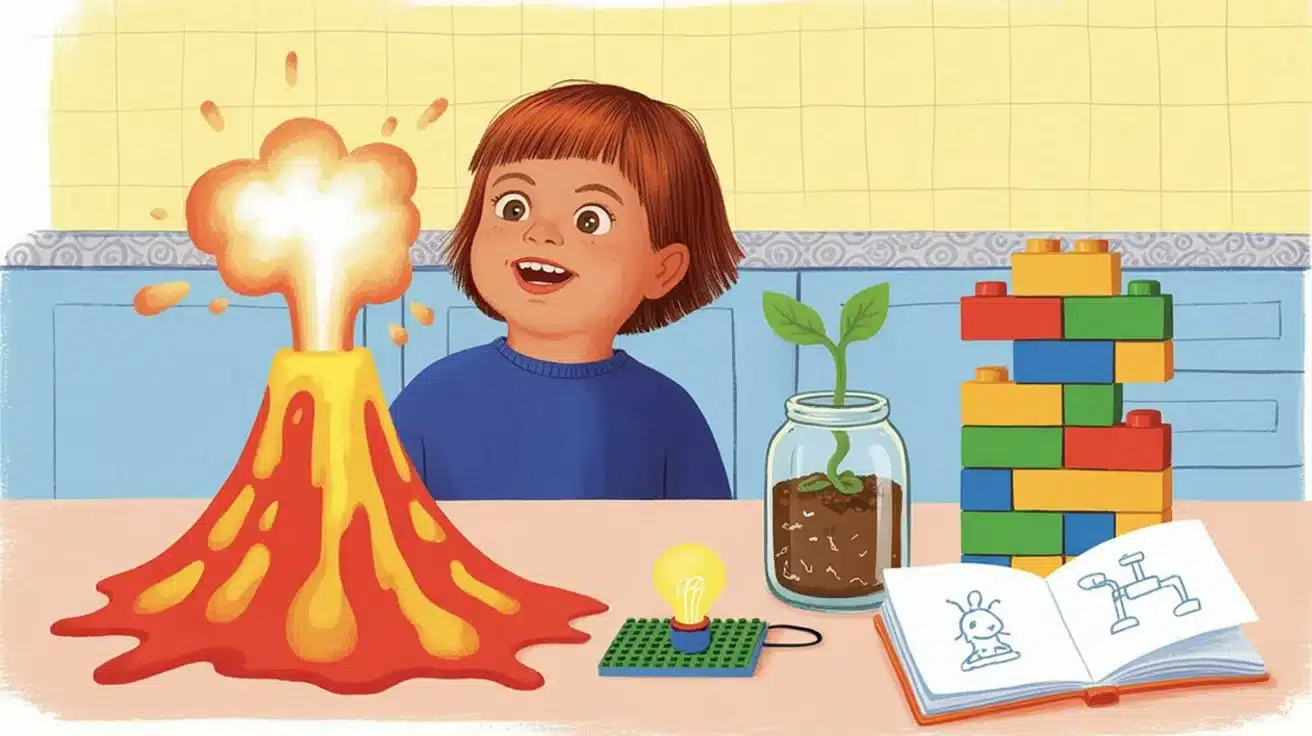
Alt Text: Illustration of a child excitedly watching a model volcano erupt, with a plant jar, toy blocks, light bulb, and an open book on a table nearby
No lab required. These indoor kids’ activities use what is already in your kitchen or junk drawer, and they teach kids to ask real questions, test ideas, and figure things out. The messier ones are usually the most memorable.
29. Baking Soda and Vinegar Volcano: Pour vinegar into a baking soda mound and watch it bubble over. A classic that still gets a reaction every time. Teaches cause and effect. [Ages 4+]
30. Float and Sink Experiment: Fill a tub with water and have kids guess which household objects float and which sink. Builds observation and prediction skills. [Ages 3+]
31. Homemade Slime or Oobleck: Mix cornstarch and water to create a substance that acts like both a liquid and a solid. Kids are always fascinated by this one. [Ages 5+]
32. Building with Blocks or LEGOs: Kids design and build structures, then test whether they stand or fall. Builds spatial reasoning and problem-solving. [Ages 2+]
33. Paper Boomerang: Fold a sheet of paper into a boomerang shape and toss it across the room. Introduces basic aerodynamics in a hands-on way. [Ages 6+]
34. Grow Seeds in a Jar: Place a bean seed between damp cotton and the inside of a clear glass. Kids watch it sprout over the next few days. Builds patience and basic biology knowledge. [Ages 4+]
35. Simple Circuit Experiment: Connect a battery, LED bulb, and wires to light a small bulb. Teaches how electricity travels through a circuit. [Ages 8+]
36. Balloon-Powered Car: Build a small car from cardboard, attach a balloon to the back, inflate it, and let it go. A hands-on lesson in Newton’s second law. [Ages 8+]
37. Homemade Compass: Magnetize a needle, float it on water, and watch it point north. Simple, surprising, and it actually works. [Ages 7+]
38. Crystal Growing: Dissolve a large amount of salt or sugar in hot water, dip a pipe cleaner in it, and let it sit overnight. Crystals form on the pipe cleaner by morning. [Ages 7+]
39. Scavenger Hunt with Riddle Clues: Write clue cards and hide objects around the house. Kids solve each riddle to find the next location. Builds reading, logical reasoning, and problem-solving skills. [Ages 5+]
40. Math with Coins: Sort coins by value, count them, and practice skip-counting. A practical introduction to money and basic arithmetic. [Ages 5+]
41. Map Your Room: Have kids draw a top-down view of the living room or their bedroom. Introduces scale, geometry, and spatial thinking. [Ages 6+]
42. Unplugged Coding Game: Write directional instruction cards such as “move forward,” “turn left,” and “stop.” One child acts as the robot and follows the instructions. No screen needed. [Ages 5+]
Pretend Play and Storytelling
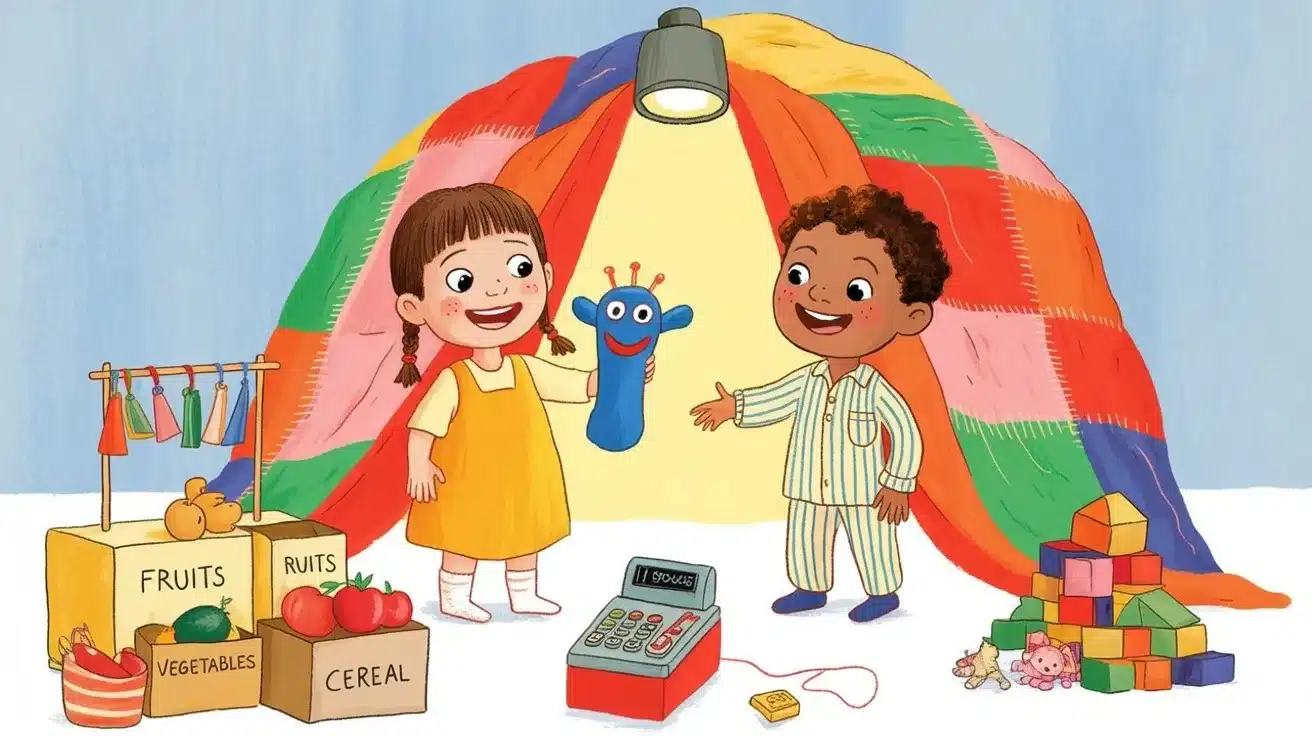
Alt Text: Illustration of two children playing pretend under a blanket tent, using toys like puppets, blocks, and a toy cash register in a playful indoor setup
Kids process the world by playing it out. These indoor kids’ activities let them be the chef, the doctor, the storyteller, and the detective, all in one afternoon. The only thing kids need here is a little space and the freedom to run with an idea.
43. Sock Puppet Show: Make puppet characters from old socks, then perform a show for the family. Builds language, creativity, and confidence. [Ages 3+]
44. Pretend Grocery Store: Set up empty food boxes and a shopping bag. One child is the cashier, the other shops. Practice counting and real-world social skills. [Ages 2+]
45. Doctor Role Play: Use a toy kit for check-ups, diagnoses, and “prescriptions.” This builds empathy and social awareness in a low-pressure way. [Ages 3+]
46. Restaurant Role Play: One child plays chef, the other plays a customer. Use play food or real snacks as the menu. Works best when kids take turns switching roles. [Ages 3+]
47. DIY Scrapbook: Print family photos, add stickers and drawings, and turn them into a personal memory book. A quiet, creative activity with a lasting result. [Ages 5+]
48. Write and Illustrate a Story: Staple blank paper together into a book. Kids write, draw, and create their own story from start to finish. Builds writing confidence and creative thinking. [Ages 6+]
49. Storytelling with Toys: Use action figures, stuffed animals, or dolls to act out a story. No script needed. Kids naturally build narrative, character, and plot. [Ages 2+]
50. Write a Play Script: Older kids write a short play, assign roles, and perform it for parents or siblings. Builds writing, speaking, and listening skills. [Ages 8+]
51. Home Mystery Game: One person sets up a simple “crime scene” with a missing object and clues. Others solve the mystery. Works well for kids who love puzzles. [Ages 7+]
52. Family Trivia Night: Take turns asking questions on topics everyone knows, such as animals, food, cartoons, or history. Adapt the difficulty by age. [Ages 6+]
53. Body Outline on Paper: Have a child lie on a large sheet of paper and trace their full outline. Kids then fill in the face, clothes, and details. [Ages 3+]
54. Dress-Up Fashion Show: Pull out old clothes, scarves, and accessories for a home fashion parade. Let kids create their own looks and walk a pretend runway. [Ages 3+]
55. Blanket Fort Storytelling: Build a cozy fort, bring in a flashlight, and tell stories inside. Simple, calming, and surprisingly memorable. [Ages 4+]
56. Magnetic Dress-Up Dolls: Kids use magnetic paper dolls and accessories to build characters and scenes. A quiet, creative activity with no cleanup. [Ages 3+]
Life Skills and Family Bonding Activities
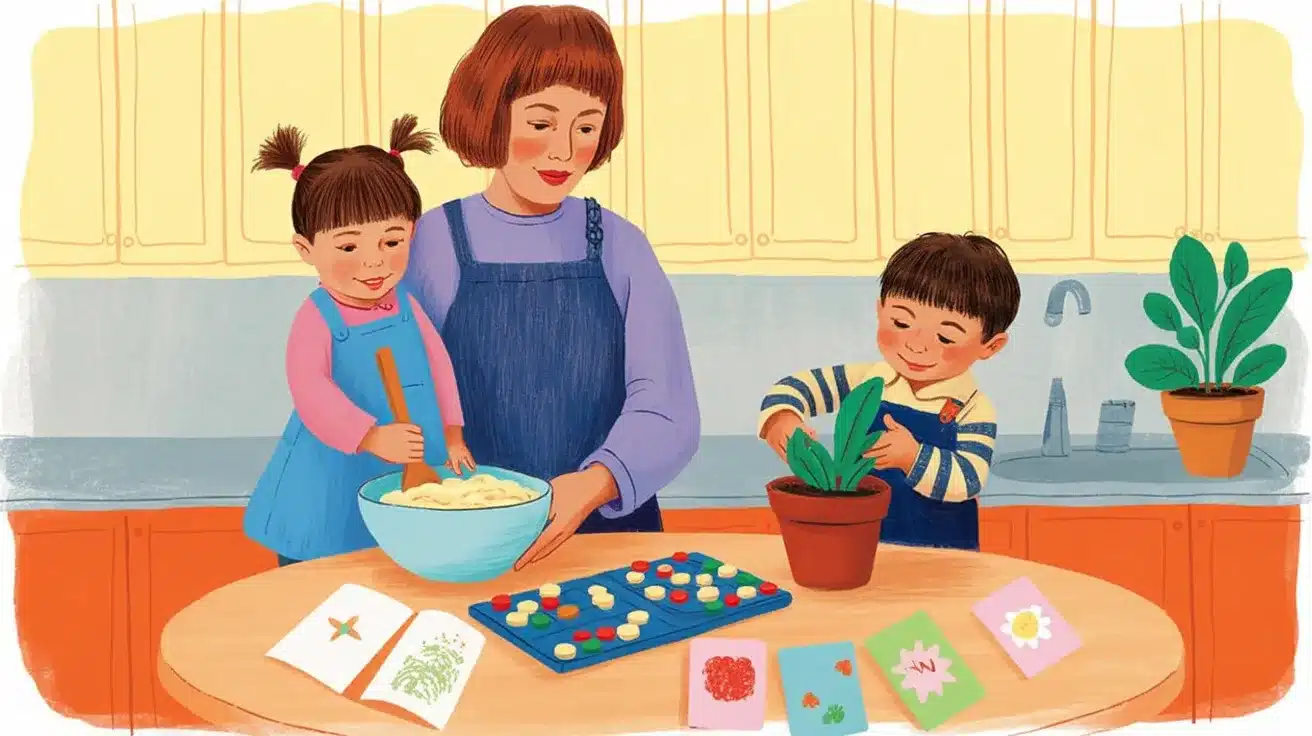
Alt Text: Illustration of a parent with two children in a kitchen, one mixing batter in a bowl and the other planting a small plant, with crafts on the table
These indoor kids’ activities go one step further. They teach kids something real, whether that is how to follow a recipe, manage a budget, or take care of a plant, while also giving the whole family a reason to do something together.
57. Simple Baking: Make cookies, muffins, or bread together. Kids measure, mix, and follow steps. Builds math skills, patience, and a sense of accomplishment. [Ages 4+]
58. Indoor Gardening: Plant herbs or vegetable scraps in small pots on a windowsill. Kids water them, watch them grow, and learn what plants actually need. [Ages 4+]
59. Laundry Sorting Game: Turn sorting laundry into a matching game by color or type. A practical life skill that feels like a game when you frame it right. [Ages 3+]
60. DIY Chore Chart: Let kids design and decorate their own chore chart with stickers and drawings. Builds ownership and a sense of daily routine. [Ages 5+]
61. Recipe Reading and Snack Making: Give kids a simple recipe card and let them make their own afternoon snack. Builds reading skills and food confidence. [Ages 6+]
62. Budget Shopping Game: Give kids pretend money and a grocery list with prices. They choose what to buy within budget. A practical intro to math and decision-making. [Ages 7+]
63. Journaling: Give kids a plain notebook to draw or write anything they want, thoughts, feelings, plans, or made-up stories. Builds self-expression and reflection. [Ages 5+]
64. Indoor Picnic: Spread a mat on the floor, pack a few snacks, and eat together like you are at the park. Takes two minutes to set up, and kids love it every time. [Ages 2+]
65. Board Game Night: Play Chutes and Ladders, Uno, or Scrabble Junior together. Builds turn-taking, strategic thinking, and emotional regulation. [Ages 4+]
66. Card Games: Teach kids simple card games like Go Fish or Snap. Older kids can move up to strategy-based games as their skills grow. [Ages 3+]
67. Memory Card Match: Lay pairs of picture cards face down and take turns flipping two at a time to find a match. Boosts concentration and recall. [Ages 3+]
68. Write Letters to Family: Kids write or dictate short letters to grandparents or cousins. A small act that builds writing skills, empathy, and connection. [Ages 5+]
69. Home Escape Room: Set up a series of riddles and locked boxes for kids to solve. Works best for older kids who love a challenge. [Ages 8+]
70. Family Scrapbook Project: Collect drawings, printed photos, and little notes from the week and put them into a shared book. Something the whole family can look back on later. [Ages 4+]
How to Keep Kids Engaged Without Screen Time
Rotate between active and calm activities every 20 to 30 minutes. Keep a small box of supplies, such as paper, tape, balloons, crayons, and old socks, ready to grab at any time.
Let kids pick from two or three options rather than deciding for them. Build in a snack break mid-morning and mid-afternoon to reset energy and mood.
If something is not working, drop it and try the next thing.
Wrapping It Up
Seventy ideas, zero screens, and at least one thing on this list your kid will actually want to do. That is the whole point. Rainy day, school break, sick day at home, it does not matter what brought you here.
What matters is that you now have options. Pick one activity, see how it lands, and go from there. Some days, one idea turns into two hours of fun you did not plan for.
What indoor activity does your child keep coming back to? Drop it in the comments below. We would love to know what works in your house.