
Summer has a way of making people forget about their water heater. The cold mornings are gone, the furnace is taking a break, and most homeowners assume the system is getting an easy season.
That assumption causes trouble every year. Water heaters still work hard during summer, especially in busy households with kids home from school, extra laundry, visiting relatives, and higher daily water use.
A water heater problem rarely shows up at a convenient time. It usually appears right before guests arrive or halfway through a shower when someone already has shampoo in their eyes.
Paying attention to warning signs early can help homeowners avoid expensive repairs and frustrating breakdowns later in the year.
Hidden Sediment
Sediment buildup does not stop just because the weather gets warmer. Minerals from hard water continue settling at the bottom of the tank every day, and over time that layer thickens enough to reduce efficiency and strain the unit.
Many homeowners do not notice the issue until the water heater starts making banging or popping noises that sound like someone dropped rocks inside the tank.
Summer is one of the better times to flush a water heater because service schedules are often more flexible than they are during winter emergencies. A system that gets regular maintenance tends to last longer and operate more efficiently.
For many households, water heater services in Greeley, CO, Portland, OR or San Antonio, TX, wherever you live, having professionals you trust to service your water heater is essential because small issues can turn into major plumbing repairs surprisingly fast. A technician can usually spot corrosion, worn valves, or pressure issues before they create serious damage.
Heavy Water Use
Summer activities create more strain on water heaters than many people realize. Kids home for summer break often take longer showers. Families wash more towels after pool days and outdoor activities. Guests visiting during vacation season also increase water use without anyone really thinking about it.
A water heater that already struggles during normal conditions may begin showing signs of wear under heavier demand. Some homeowners notice inconsistent temperatures first. Others run out of hot water faster than usual. In older systems, this extra workload can push failing parts over the edge.
This is especially true for tanks that have not been inspected in years. Heating elements, thermostats, and pressure relief valves all wear down gradually. The process is slow enough that people adapt to the declining performance without realizing it until the unit finally stops working altogether.
Leaks Get Worse
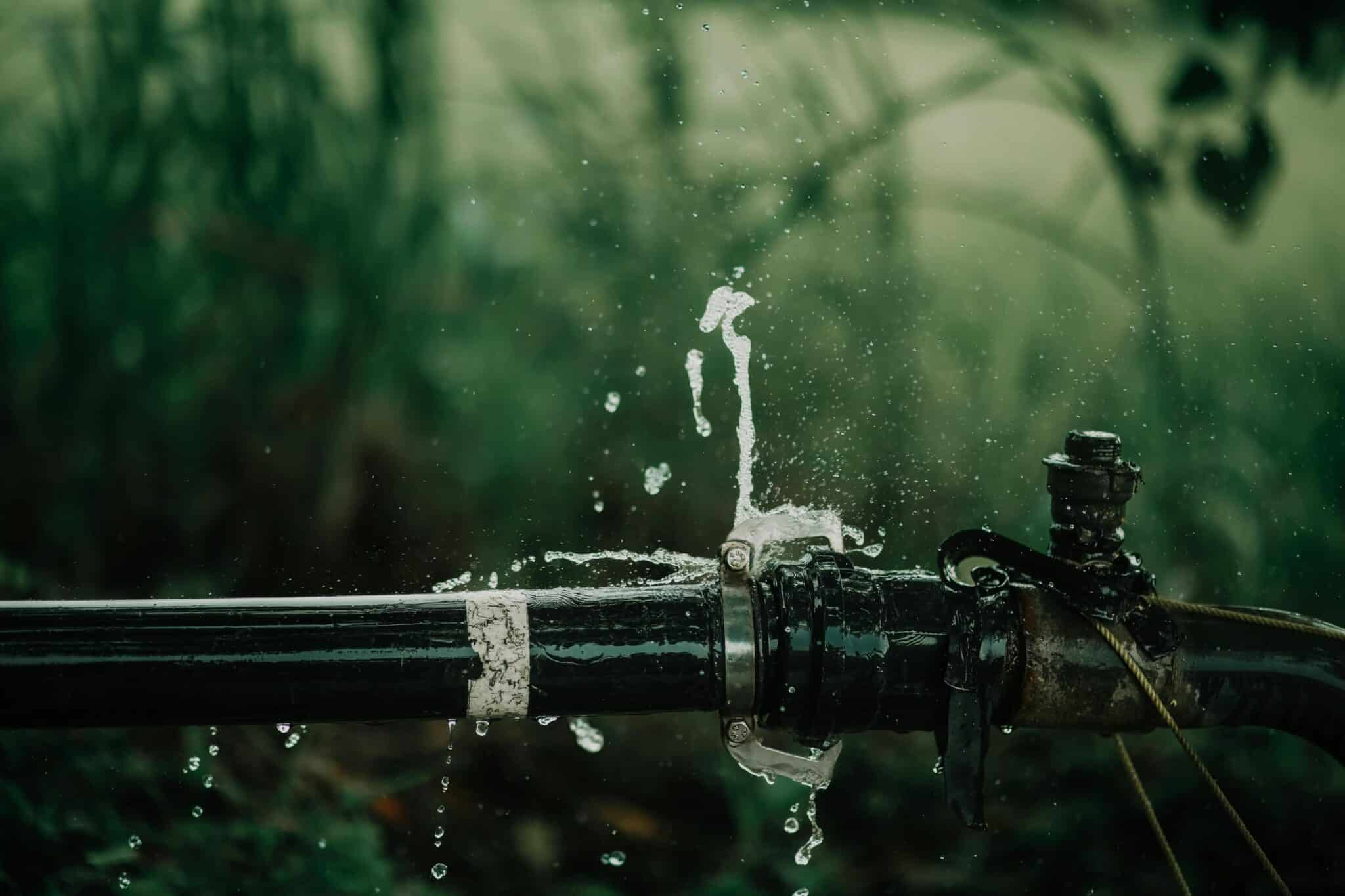
Small leaks often become bigger problems during summer because homeowners spend more time using outdoor plumbing and less time inspecting utility areas. A tiny puddle near the base of the water heater can sit unnoticed for weeks.
Unfortunately, water damage does not care whether anyone notices it immediately. Moisture can damage flooring, drywall, insulation, and nearby storage boxes before the source gets identified. Some leaks also create mold problems that are far more expensive to deal with than the original repair.
Checking around the base of the tank once every few weeks takes less than a minute. Homeowners should also look for rust around fittings, moisture near valves, and signs of corrosion around supply lines. If the water smells metallic or appears discolored, the tank could already be deteriorating internally.
Ignoring leaks is one of those decisions people regret later. It is similar to hearing a weird noise from your car and turning the radio up louder instead of addressing it. The problem usually wins that argument eventually.
Energy Bills Rise
A struggling water heater can quietly increase utility bills throughout the summer. When sediment builds up or components wear down, the unit has to work harder to heat the same amount of water. That extra effort shows up on monthly energy statements.
Because air conditioning costs are already high during summer, many homeowners blame rising bills entirely on cooling systems and overlook the water heater completely. In some homes, an aging water heater contributes more to wasted energy than people expect.
Insulating exposed hot water pipes can help reduce heat loss. Lowering the thermostat slightly may also improve efficiency without affecting comfort much. For older units approaching the end of their lifespan, replacement sometimes makes more financial sense than repeated repair visits.
Newer systems tend to heat water faster and waste less energy. Tankless options have also become more common in households looking to reduce monthly utility costs and free up storage space.
Build a Routine
The easiest way to avoid water heater emergencies is consistency. Homeowners who wait until the system completely fails usually end up paying more, especially during peak repair seasons when plumbers are booked solid.
Creating a simple maintenance checklist helps homeowners stay ahead of common problems. Flushing the tank annually, inspecting for leaks, checking water pressure, and testing the temperature relief valve can prevent many expensive surprises. Even basic visual inspections make a difference over time.
Professional inspections are also worth scheduling every few years, particularly for units older than eight years. Water heaters do not last forever, no matter how much people wish appliances came with magical immortality powers. At some point, replacement becomes the smarter move.
Summer may not seem like water heater season, but it is often when hidden problems start getting worse. A little attention now can prevent expensive repairs, cold showers, and a very unpleasant phone call to a plumber during a holiday weekend.